


Tensions between Washington and New Delhi have sharpened after a senior White House official labeled the Russia-Ukraine conflict as “Modi’s war.” The remark directly criticized India’s decision to keep buying Russian oil despite mounting global pressure.
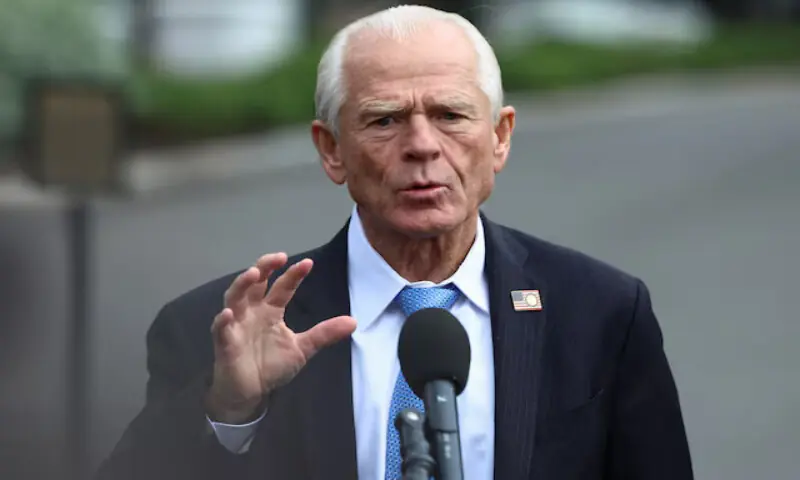
The statement came from US Trade Adviser Peter Navarro. It followed swiftly after Washington imposed steep tariffs of 50% on Indian goods, ranking among the harshest in the world. The penalties also include a 25% surcharge tied to India’s continued purchases of Russian oil and weapons, which the US argues are fueling Moscow’s war machine.
India has rejected the tariffs as unjust. Officials insist the country must act in the best interest of its 1.4 billion citizens. Since 2022, Moscow has risen from a marginal supplier to India’s largest source of crude oil, accounting for 35–40% of total imports.
Navarro intensified his criticism in a Bloomberg TV interview. He accused India of damaging the global economy and costing American jobs by upholding high tariffs and maintaining Russian imports. He controversially declared: “We have to fund Modi’s war,” later clarifying that his words referred to India’s role in prolonging the conflict through Russian trade ties. He further challenged India’s stance on sovereignty, urging: “You’re the biggest democracy in the world — act like one.”
Despite the sharp rhetoric, not all voices in Washington carried the same tone. US Treasury Secretary Scott Bessent struck a calmer note in a separate interview. “At the end of the day, we will come together,” he said, hinting at possible reconciliation.
In New Delhi, officials moved quickly into damage control. The government sought to downplay immediate fallout but admitted longer-term risks cannot be ignored. Prime Minister Modi announced planned tax cuts aimed at softening the blow of higher tariffs. Meanwhile, the finance ministry’s July economic review stressed that dialogue remains essential. It described ongoing trade negotiations with Washington as vital for reducing tensions and preserving stability in one of the world’s most important partnerships.
