
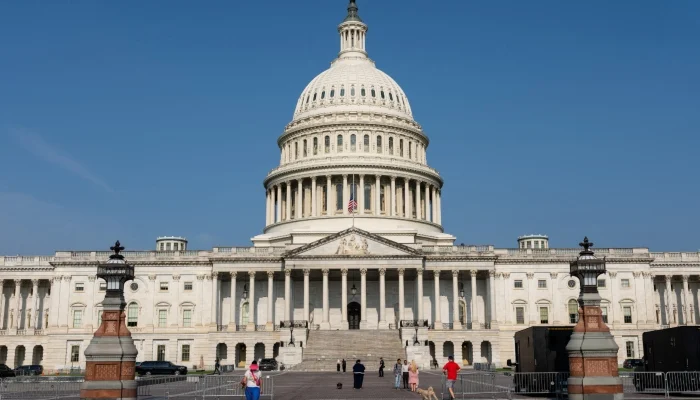

The US House of Representatives has approved its version of a sweeping defence policy bill after a closely contested vote. However, the legislation has triggered strong political debate over its record military spending, the ongoing conflict with Iran, and expanded defence cooperation with Israel.
Lawmakers remained sharply divided throughout the voting process. While most Republicans supported the measure, many Democrats opposed it, arguing that defence spending continues to rise as funding for domestic programmes faces reductions.
Defence Bill Clears House With Narrow Majority
The fiscal year 2027 National Defense Authorization Act (NDAA) passed the House by a vote of 216 to 212. The legislation authorises approximately $1.15 trillion in military spending, making it one of the largest defence budgets proposed in US history.
The vote largely reflected party lines. Most Republican lawmakers backed the bill, whereas nearly all Democrats voted against it.
Democrats argued that the enormous defence budget comes at a time when social programmes continue to face spending cuts. They also raised concerns about the financial impact of the ongoing conflict with Iran.
According to Pentagon figures, the war with Iran has cost the United States around $37.5 billion so far. Consequently, critics questioned whether further increases in military spending were justified.
Republicans Defend Higher Military Spending
Republican lawmakers defended the legislation by arguing that increased funding remains necessary to strengthen national defence and support military operations.
They said the bill would finance new defence technologies, equipment purchases, and military modernisation. Additionally, it includes pay increases of up to seven percent for service members, along with funding for new barracks and family housing projects.
Supporters also maintained that the legislation would improve military readiness during a period of growing international security challenges.
Israel Provision Draws Fresh Criticism
Another provision that generated debate would significantly expand military technology cooperation between the United States and Israel.
Many Democratic lawmakers expressed concern over strengthening defence ties with Israel while public criticism continues over the humanitarian impact of military operations in Gaza. As a result, the provision became another major point of disagreement during the debate.
Future of the NDAA Remains Uncertain
The NDAA has traditionally received bipartisan support and has become law every year for the past 65 years. Nevertheless, this year’s legislation faces a more difficult path because of deep political divisions over defence spending, the Iran conflict, aid to Israel and Ukraine, and other policy issues.
The House also attached the Trump-backed SAVE America Act to the defence bill before sending it to the Senate. That decision has created additional uncertainty because the voting legislation currently lacks enough support to pass the Senate.
Last week, Senate Democrats blocked their chamber’s version of the NDAA. However, Republican leaders have pledged to bring the legislation forward again before lawmakers leave Washington for the August recess.
The legislative process remains ongoing. Both the House and Senate must eventually agree on a compromise version before sending the final bill to the White House, where President Donald Trump will decide whether to sign it into law or issue a veto.

