
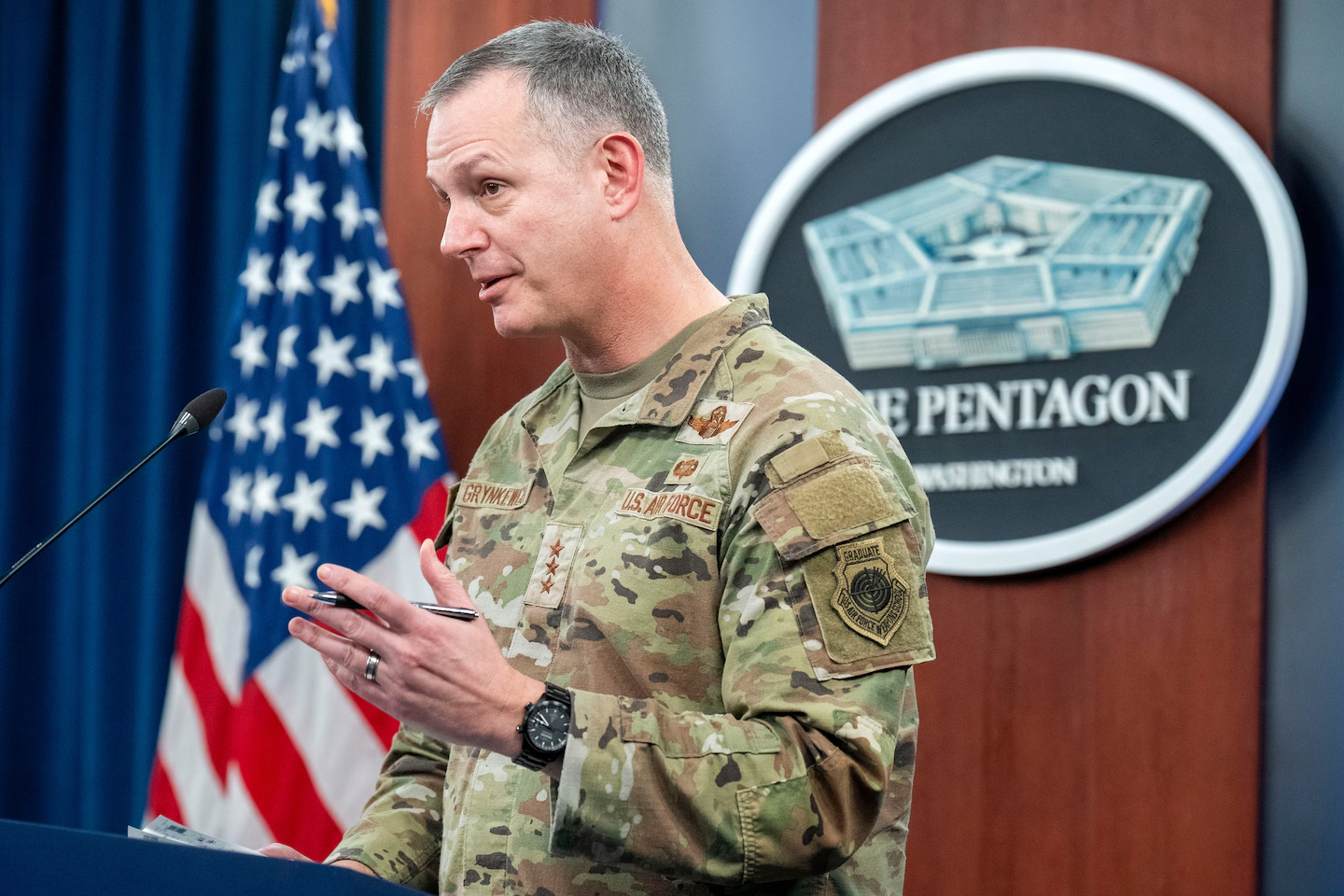

The commander of the US European Command has warned the Pentagon about limited military resources. According to resources, existing naval assets cannot fully defend Israel from Iranian ballistic missile attacks.
General Alexis Grynkewich reportedly submitted a written warning to senior Pentagon officials this week. He said EUCOM lacks sufficient naval resources to provide effective missile defence for Israel. The warning comes as tensions between the United States and Iran continue escalating.
Pentagon Faces Difficult Military Deployment Decisions
According to the report, Grynkewich warned additional naval support remains essential. Otherwise, he would prioritise defending the United States over protecting Israel. He reportedly requested the deployment of another US aircraft carrier.
A US defence official said such written assessments remain a routine military procedure. Commanders regularly inform the Pentagon about capability gaps during demanding operations. Consequently, policymakers can make informed decisions regarding military deployments and resource allocation.
However, the Pentagon has not publicly commented on the reported warning. The report nevertheless highlights growing pressure on US military capabilities.
Escalating Conflict Increases Pressure On US Forces
The warning follows the continued conflict between Washington and Tehran. The fighting reportedly entered a critical stage after a proposed peace agreement collapsed. Consequently, renewed hostilities have placed greater strain on US missile defence systems.
US aircraft carriers stationed in the eastern Mediterranean continue supporting Israel’s missile defence network. They use advanced radar systems and interceptor missiles against threats from Iran. Additionally, they help counter attacks launched by the Iran-backed Houthi movement in Yemen.
Meanwhile, the report said the Trump administration’s blockade of Iranian ports increased operational demands. The move followed Tehran’s closure of the Strait of Hormuz. As a result, US naval resources remain under growing pressure.

