

China has warned the United States against introducing additional semiconductor export restrictions, as the growing Nvidia scandal intensifies concerns over technology transfers to Beijing. The warning comes amid mounting pressure from US lawmakers, who are calling for tighter controls on American chip technology supplied to China.
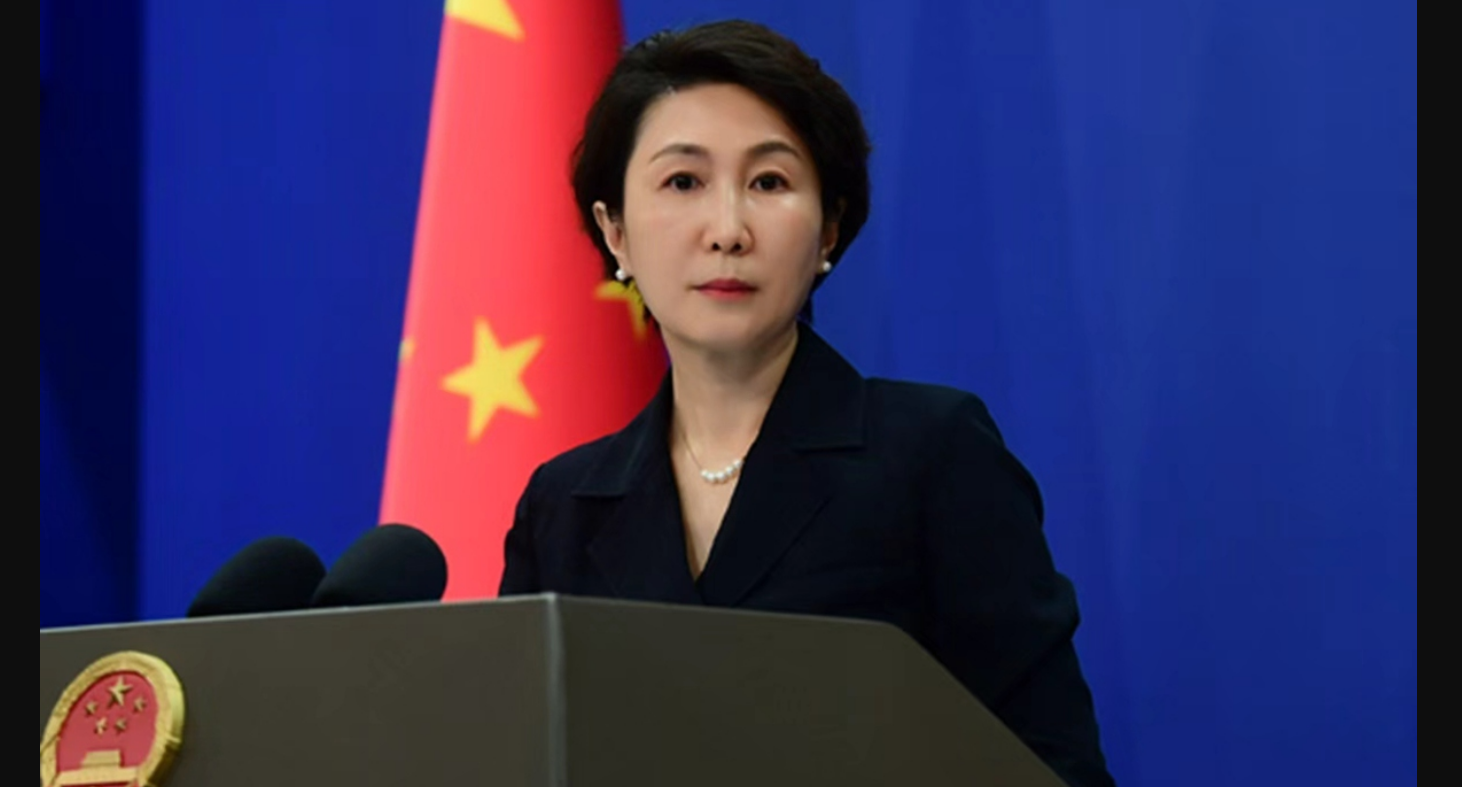
On Friday, Chinese Foreign Ministry spokesperson Mao Ning criticised Washington’s approach to export restrictions during a regular press briefing. She argued that additional controls could disrupt international supply chains and damage global industrial cooperation.
China “has consistently opposed the abuse of export control measures, which disrupts the stability of global industrial and supply chains and serves no party’s interests,” Mao said.
She also urged both countries to maintain communication and avoid further damaging their economic relationship.
“China and the United States should work together to implement the important consensus reached by their respective heads of state and maintain the stable development of China-US economic and trade relations,” Mao added.
Nvidia Scandal Sparks Fresh Calls for US Chip Restrictions
The diplomatic disagreement follows a developing scandal involving Nvidia, one of the world’s leading artificial intelligence chipmakers. Its co-founder, Jensen Huang, resigned on Thursday after admitting to an affair, reportedly involving Alice Huang.
Alice Huang previously held a senior executive position at Megaspeed, a Singapore-based data centre company. However, the controversy has extended beyond the reported personal relationship.
Reports have raised questions about whether the US Commerce Department, led by Secretary Howard Lutnick, failed to respond to suspicions surrounding Megaspeed. The company was allegedly involved in rerouting restricted Nvidia technology to China.
Consequently, the controversy has drawn attention from American lawmakers concerned about the potential transfer of sensitive semiconductor technology. Some lawmakers now want Washington to introduce additional restrictions on chip exports to Beijing.
US House Speaker Mike Johnson reportedly expressed support for stronger measures against semiconductor exports.
“The export controls on chips to China has been a big issue around here. I’m in favour of limiting those exports,” Johnson said.
He also indicated that support for tighter restrictions was growing within Congress.
“I think there is a developing consensus in Congress that is an important position to take.”
US Intelligence Allegations Add to China-US Technology Tensions
Meanwhile, intelligence-related allegations have added another dimension to the controversy. US intelligence reportedly circulated a memo this spring claiming that Alice Huang was an asset of China’s Ministry of State Security.
The intelligence claims have further intensified scrutiny surrounding the alleged technology transfers. However, Beijing has rejected the accusations and criticised Washington’s position.
On Thursday, China described the allegations as a “pretext to for imposing a technological blockade” aimed at preventing its advancement in artificial intelligence technology.
The dispute highlights the continuing disagreements between Washington and Beijing over access to advanced semiconductor technology. Furthermore, the latest controversy could increase pressure on American officials to reconsider existing export policies.
Trump-Xi Meeting Adds Significance to Growing Dispute
The latest exchange comes ahead of an expected meeting next week between US President Donald Trump and Chinese President Xi Jinping. The two leaders are expected to meet in Shenzhen, southern China, during an APEC gathering.
The upcoming meeting could provide an important opportunity to address growing economic and technological disagreements. However, the Nvidia controversy and renewed calls for semiconductor restrictions have added another sensitive issue to the relationship.
China’s latest warning signals its opposition to further restrictions on American chip technology. Meanwhile, growing support within Congress suggests that export controls could remain a major point of disagreement between the two countries.
For the latest updates, visit and follow The Truth International website (www.thetruthinternational.com) and subscribe to the YouTube Channel.

