


TTP Enjoys Greater Freedom Under Taliban Rule, Says UN Report
A new United Nations Security Council report has raised alarm over the Tehreek-i-Taliban Pakistan (TTP). The report warns that the group may evolve into an “extra-regional threat.” It highlights growing concerns among member states about the outfit’s expanding reach.
The findings are part of the 37th report of the UN Security Council’s Analytical Support and Sanctions Monitoring Team. The report covers the period from July to December 2025.
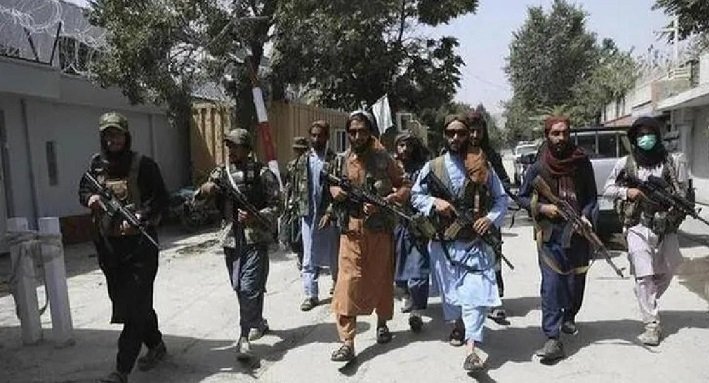
According to the report, Afghanistan under Taliban rule continues to provide a permissive environment for several terrorist groups. The TTP, however, appears to receive preferential treatment.
The monitoring team noted that the TTP was granted greater liberty and support compared to other militant outfits. This environment has allowed the group to intensify its operations. The report linked this freedom to a sharp deterioration in Pakistan’s security situation.
More than 3,500 terrorist attacks were attributed to the TTP last year. Over 2,100 of these attacks occurred in the second half of the year alone. This surge has amplified regional tensions.
The TTP is described as one of the largest terrorist groups operating in Afghanistan. It reportedly maintains a strong presence in eastern and south-eastern provinces. These include Kunar, Nangarhar, Khost, Paktika, Paktia, and the Barmal district.
The report mentions new and expanded training centres in these areas. Some of these locations are linked to networks such as the Haqqani Network.
Estimates suggest around 6,000 TTP fighters are currently based in Afghanistan. The group is said to recruit from Afghan Taliban ranks. It also benefits from operational and logistical support.
The UN monitoring team noted that TTP leaders reportedly have access to safe houses and guesthouses in Kabul. The group allegedly receives movement passes, weapons permits, and logistical assistance. These arrangements persist despite internal Taliban debates over the risks posed by the TTP.
Growing Fears of Wider Alliances and Global Ambitions
The report highlights rising concerns among UN member states. Some fear that the TTP may deepen cooperation with Al Qaeda-aligned groups. Such alliances could expand the group’s operational scope beyond Pakistan.
The monitoring team warned that stronger collaboration may result in structured alliances and joint planning. This could provide access to more fighters, funding, and technical expertise. The outcome could be attacks beyond South Asia.
Al Qaeda is described as a “service provider and multiplier” for terrorist groups in Afghanistan. It reportedly offers training and advisory support, particularly to the TTP.
The report also flags concerns about Al Qaeda in the Indian Subcontinent (AQIS). AQIS remains active in south-eastern Afghanistan. Senior leaders, including Osama Mahmoud and Yahya Ghauri, are reportedly based in Kabul. The group’s media operations are said to function from Herat.
Member states believe AQIS may focus more on external operations. These could involve unclaimed or deniable attacks. Such tactics may help avoid diplomatic strain for the Taliban authorities.
ISIL-K Remains Resilient Despite Pressure
The report also assesses the threat posed by Islamic State in Iraq and the Levant-Khorasan (ISIL-K). Despite sustained counterterrorism operations, the group remains resilient.
ISIL-K has faced military action from both regional states and the Taliban. These operations have reduced its number of attacks. However, they have not dismantled its operational base.
The group remains active mainly in northern Afghanistan, especially in Badakhshan. It also operates in areas close to the Pakistan border. The monitoring team said ISIL-K retains strong operational and combat capability.
The group has shown the ability to rapidly replace fighters. Online recruitment plays a key role. The report noted growing cyber capabilities among both ISIL and Al Qaeda. These tools enhance propaganda, recruitment, and operational planning.
The UN team suggested that such capabilities may have enabled complex attacks. It cited the February 6 gun-and-bomb attack on a Shia mosque near Islamabad as an example of evolving tactics.
The report also pointed to collaboration among militant groups. Member states reported coordination between the Balochistan Liberation Army, TTP, and ISIL-K. Shared training camps and joint planning were cited as areas of concern.
The UN findings underline rising regional and global security risks. The evolving militant landscape in Afghanistan remains a serious concern for international peace.
