

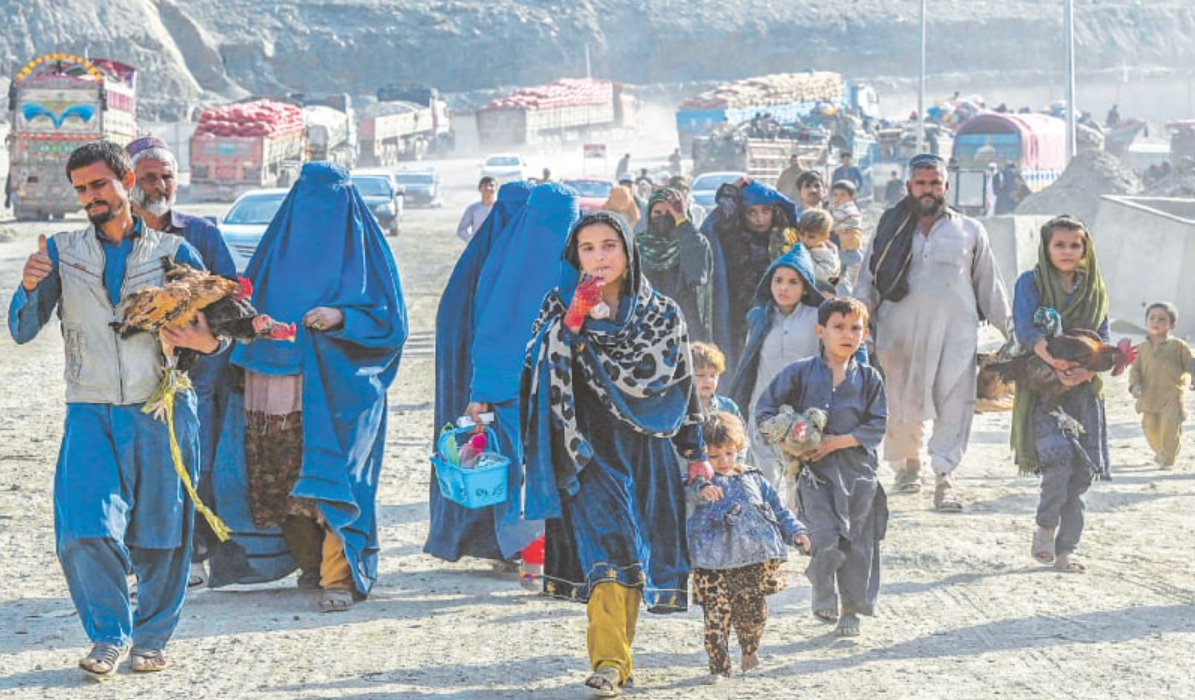

A powerful earthquake has devastated eastern Afghanistan, killing nearly 1,500 people and injuring thousands more. Amid this humanitarian crisis, the United Nations has urged Pakistan to halt the mass deportation of Afghan refugees.
Earthquake Triggers Humanitarian Emergency in Afghanistan
The earthquake, measuring 6.0 in magnitude, struck late Sunday in Afghanistan’s mountainous eastern region near the Pakistan border. Entire mud-brick villages collapsed while families were asleep. Afghan officials reported at least 1,469 deaths, more than 3,700 injuries, and over half a million people affected. It is considered one of Afghanistan’s deadliest earthquakes in decades. Rescue operations remain challenging due to blocked roads and limited equipment.
UN Appeals for a Pause in Deportations
Filippo Grandi, the UN High Commissioner for Refugees, appealed to Pakistan to suspend its refugee expulsion drive. He stressed that deported Afghans are being forced to return to a disaster zone. The UN emphasized that international donor support is essential to provide urgent aid and long-term recovery assistance.
Pakistan’s Deportation Crackdown
Pakistan has hosted Afghan refugees for more than four decades, from the Soviet invasion in the 1980s to the Taliban’s takeover in 2021. Generations of Afghans have built their lives in Pakistan, finding varying degrees of access to education, work, and healthcare.
However, citing rising militant attacks and insurgency, Pakistan began a crackdown in 2023 against Afghan nationals. Authorities labeled many as “terrorists and criminals.” Since then, more than 1.2 million Afghans have been forced to return. Over 443,000 deportations occurred this year alone.
The most recent phase targets 1.3 million refugees holding Proof of Registration (PoR) cards issued by the UN refugee agency. The government set a September 1 deadline for their departure. After the deadline, refugees face arrest and deportation.
Surge in Border Crossings
Following the deadline, crossings at major border points have surged. At Chaman, more than 4,000 Afghans have departed in recent days. On the Afghan side of Spin Boldak, officials confirm that 250 to 300 families return daily. At Torkham, over 6,300 PoR holders crossed back in a single day. Since April, nearly 63,000 PoR cardholders have re-entered Afghanistan.
UNHCR data shows a spike in returns between August 24 and August 30, with more than 25,000 Afghans crossing back. This includes 13,525 registered refugees. The agency expects even higher numbers in the coming days.
Political Tensions Behind the Expulsions
Analysts believe Pakistan’s deportation policy also aims to pressure Afghanistan’s Taliban administration. Islamabad accuses the Taliban of sheltering militants behind border violence. The Taliban denies the claims, insisting it does not support cross-border attacks.
Urgent Need for International Support
As Afghanistan faces widespread destruction from the earthquake, aid agencies warn of a worsening humanitarian crisis. Families returning from Pakistan are stepping into an environment marked by collapsed homes, food shortages, and limited medical care.
Grandi highlighted that assistance from international donors, including Pakistan, remains vital. Without urgent humanitarian support, the situation could deteriorate further for both earthquake survivors and returning refugees.
