
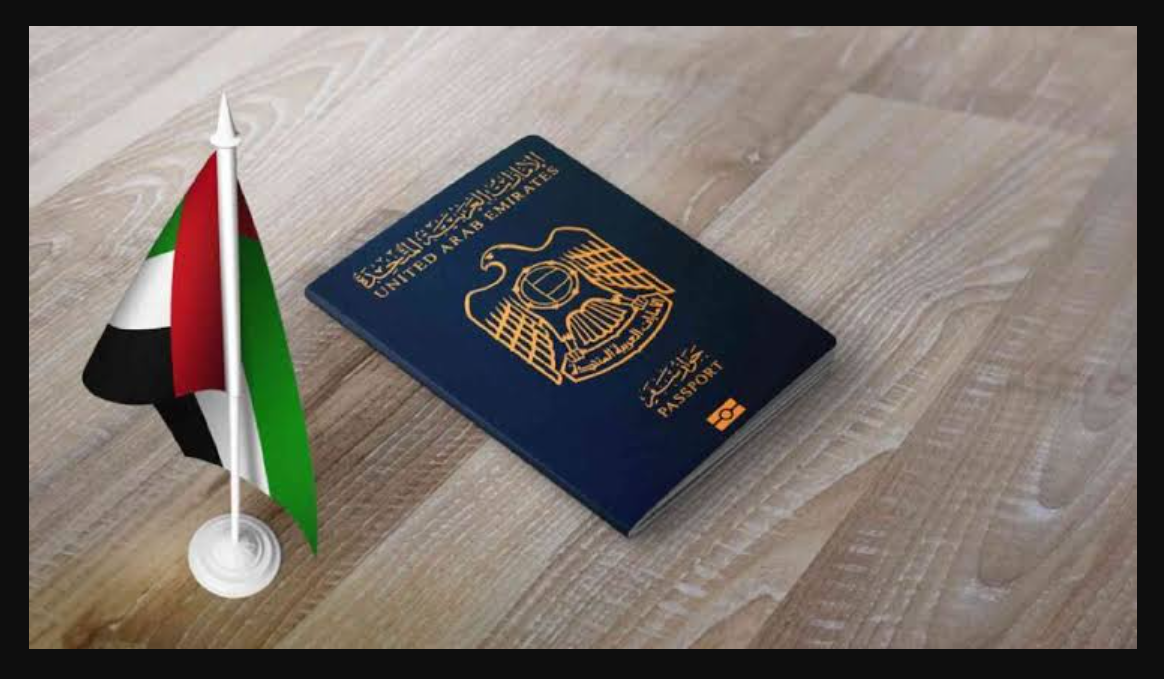

The United Arab Emirates (UAE) has introduced significant updates to its visa-on-arrival policy, making it easier for eligible international travelers to enter the country.
The revised policy expands visa-on-arrival eligibility to additional nationalities. However, travelers must still meet specific conditions before they can benefit from the facility.
The changes are expected to simplify travel for many visitors while maintaining strict entry requirements.
UAE Expands Visa-on-Arrival Eligibility
Under the updated policy introduced in June 2026, the UAE has expanded its visa-on-arrival program to include nationals from six additional countries.
Beginning June 25, 2026, ordinary passport holders and their family members from Indonesia, Vietnam, Thailand, the Philippines, Kenya, and South Africa may qualify for visas upon arrival.
However, eligible travelers must possess a valid residence permit or visa issued by one of nine approved countries.
Those who do not meet this requirement must obtain a visa before traveling.
The move is part of the UAE’s broader efforts to improve travel convenience while maintaining immigration controls.
Pakistani Travelers Can Still Benefit Under Certain Conditions
The updated policy also continues to provide visa-on-arrival access for several nationalities under specific eligibility rules.
Pakistani, Bangladeshi, Egyptian, and Nepalese passport holders can obtain a 30-day visa upon arrival.
However, they must hold a valid visa issued by the United States, the United Kingdom, Europe, Australia, or Canada.
Eligible travelers can receive the visa after arriving at any UAE airport.
Those without qualifying visas must apply for a tourist visa before departure.
Indian Nationals Receive Expanded Benefits
The UAE has also retained its existing visa-on-arrival facility for Indian passport holders.
Additionally, authorities have expanded the list of supporting visas accepted for eligibility.
Besides the United States, United Kingdom, European Union countries, Australia, and Canada, the updated policy now recognizes valid visas issued by New Zealand, Japan, Singapore, and South Korea.
This expansion increases travel flexibility for eligible Indian visitors.
Visa Duration Depends on Nationality
The length of stay granted under the visa-on-arrival program varies according to nationality and eligibility.
Citizens from Gulf countries and several visa-exempt Western nations may receive permission to stay for up to 30 or 90 days.
Meanwhile, Indian nationals holding valid US, UK, or EU visas can receive a 14-day visa upon arrival.
Travelers from Indonesia, Vietnam, and the newly added countries may qualify for stays ranging from 14 to 60 days, depending on their eligibility.
Documents Required at UAE Airports
Immigration authorities have clarified that travelers do not need any third-party agents to obtain a visa on arrival.
Instead, applicants must present themselves directly at immigration counters after landing.
To qualify, travelers must provide:
- A passport valid for at least six months.
- A confirmed return ticket.
- Hotel booking or accommodation details.
- Proof of sufficient financial resources or recent bank statements.
Authorities will verify these documents before granting entry.
UAE Warns Against Overstaying
Officials have also reminded travelers to comply with the permitted duration of stay.
Anyone who remains in the country beyond the approved visa period will face penalties.
According to the updated rules, overstaying will result in fines of 50 UAE dirhams per day without exception.
Travelers who do not qualify for visa-on-arrival are encouraged to apply online for a 30-day or 60-day tourist visa before traveling.
Updated Policy Aims to Simplify Travel
The revised visa-on-arrival policy reflects the UAE’s continued efforts to improve travel accessibility while maintaining clear immigration standards.
Although more travelers can now benefit from easier entry procedures, meeting the required documentation remains essential.
Visitors are advised to confirm their eligibility before making travel arrangements to avoid delays or entry complications upon arrival.

