


High-Voltage Super Six Match in Zimbabwe
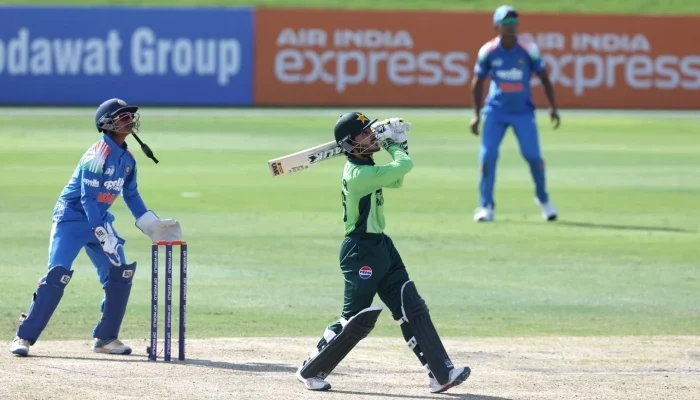
Pakistan and India’s Under-19 teams faced each other in a crucial Super Six match of the U19 World Cup in Bulawayo, Zimbabwe, on Sunday. The contest carried intense pressure on and off the field. Once again, the traditional handshake between captains did not take place at the toss.
The absence of the customary greeting immediately drew attention. Fans and observers noted the continuation of a pattern seen in recent India–Pakistan encounters. The rivalry at the youth level mirrored the tension often witnessed in senior international cricket.
The fixture already had an added edge. Pakistan U19 had thrashed India by a massive 191 runs in the U19 Asia Cup final held in December. That defeat still loomed large over the contest. The previous meeting also saw captains avoid shaking hands at the toss.
Cricket followers said the sporting rivalry has increasingly spilled into pre-match formalities. The U19 World Cup clash highlighted how political tensions have filtered down to age-group cricket.
Political Tensions Spill into Cricket Protocol
The freeze over handshakes has intensified since a deadly military clash between Pakistan and India in May 2025. Since then, diplomatic friction has repeatedly surfaced during cricket events. Toss ceremonies and post-match courtesies have become visible flashpoints.
The issue first gained major attention during the ACC Men’s T20 Asia Cup in September. Indian players refused to shake hands with Pakistan at the toss. The move sparked widespread debate and criticism from fans and former players.
The situation escalated when India captain Suryakumar Yadav declined the handshake with Pakistan captain Salman Ali Agha in two more matches. The controversy deepened due to confusion around match-day procedures. Pakistan Cricket Board officials even considered withdrawing from the event.
Later, match referee Andy Pycroft admitted mishandling aspects of the toss ceremony. He expressed regret, according to PCB sources. Despite this, the no-handshake stance continued.
Similar scenes were witnessed in the women’s game. During the recent Women’s T20 World Cup, India and Pakistan captains avoided the customary greeting at the toss. The pattern was repeated at the Men’s Rising Stars Asia Cup in Doha.
Stance Reinforced Across Formats and Levels
Indian cricket officials have openly supported the approach. BCCI Secretary Devajit Saikia stated that India’s stance toward Pakistan would remain unchanged. He told the BBC there was no guarantee of handshakes in future encounters.
This policy was evident during the Women’s World Cup match in Colombo on October 5. Pakistan captain Fatima Sana and India captain Harmanpreet Kaur skipped the toss handshake. The move reinforced that the issue goes beyond individual players.
The tension has also extended beyond India–Pakistan games. At the current U19 World Cup, India captain Ayush Mhatre and Bangladesh stand-in captain Zawad Abrar also avoided shaking hands at the toss. The moment was linked to broader board-level disputes.
However, there have been rare moments of contrast. At the inaugural Blind Women’s T20 World Cup in Sri Lanka, players from India and Pakistan set politics aside. Although the toss handshake was skipped, both teams warmly greeted each other after the match.
They even travelled together on the same bus and exchanged compliments. Many fans described it as a reminder of cricket’s unifying spirit.
As the U19 World Cup continues, the focus remains on cricketing performance. Yet, the repeated absence of handshakes keeps drawing attention. The rivalry now reflects not just sporting competition, but deeper political divides influencing the game.
