

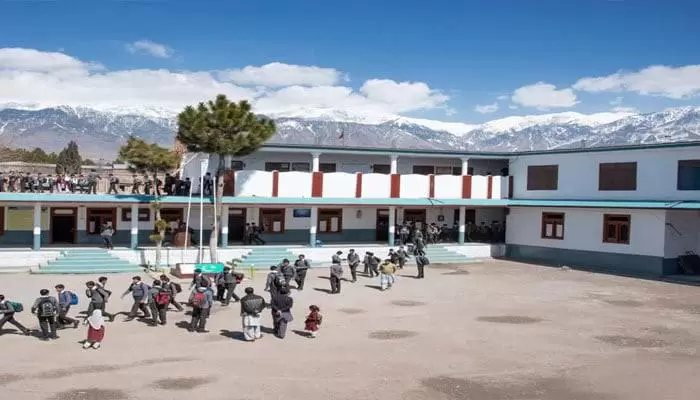

Educational institutions in Parachinar have remained closed for two months, raising serious concerns about students potentially losing their academic year.
The Kurram Teachers Association stated that reopening schools is currently impossible due to ongoing road blockages and a severe fuel shortage.
Teachers’ unions have urged the government to restore fuel supplies to facilitate the resumption of educational activities. They emphasized that schools will remain closed until roads are reopened, stressing the urgency of clearing routes to safeguard children’s futures and allow teaching to continue.
Impact on Daily Life
The prolonged blockades have disrupted multiple sectors, including education, trade, and transportation. Local traders reported that business centers and public transport remain shut, while communication networks have also been affected.
The closure of the Pak-Afghan Kharlachi border and the Thall-Parachinar road for the past five months has left over half a million residents in Parachinar and surrounding villages stranded.
With Ramadan approaching, the road closures have worsened food shortages, making it difficult for residents to secure essential items for sehar (pre-dawn meal) and iftar (meal to break the fast). Additionally, the Tora Wari road, which connects Lower and Central Kurram, has been blocked for a week, further restricting the supply of essential goods.
Protests and Security Measures
In response to the crisis, protests have erupted, leading to the arrest of protest leaders Haji Karim and Sartaj Ali in Kurram and Parachinar. Security forces launched a search operation on February 22.
Separately, on February 1, a religious leader, Qari Rizwanullah, was shot dead by unidentified gunmen in the Sadda Pir Qoum area.
