
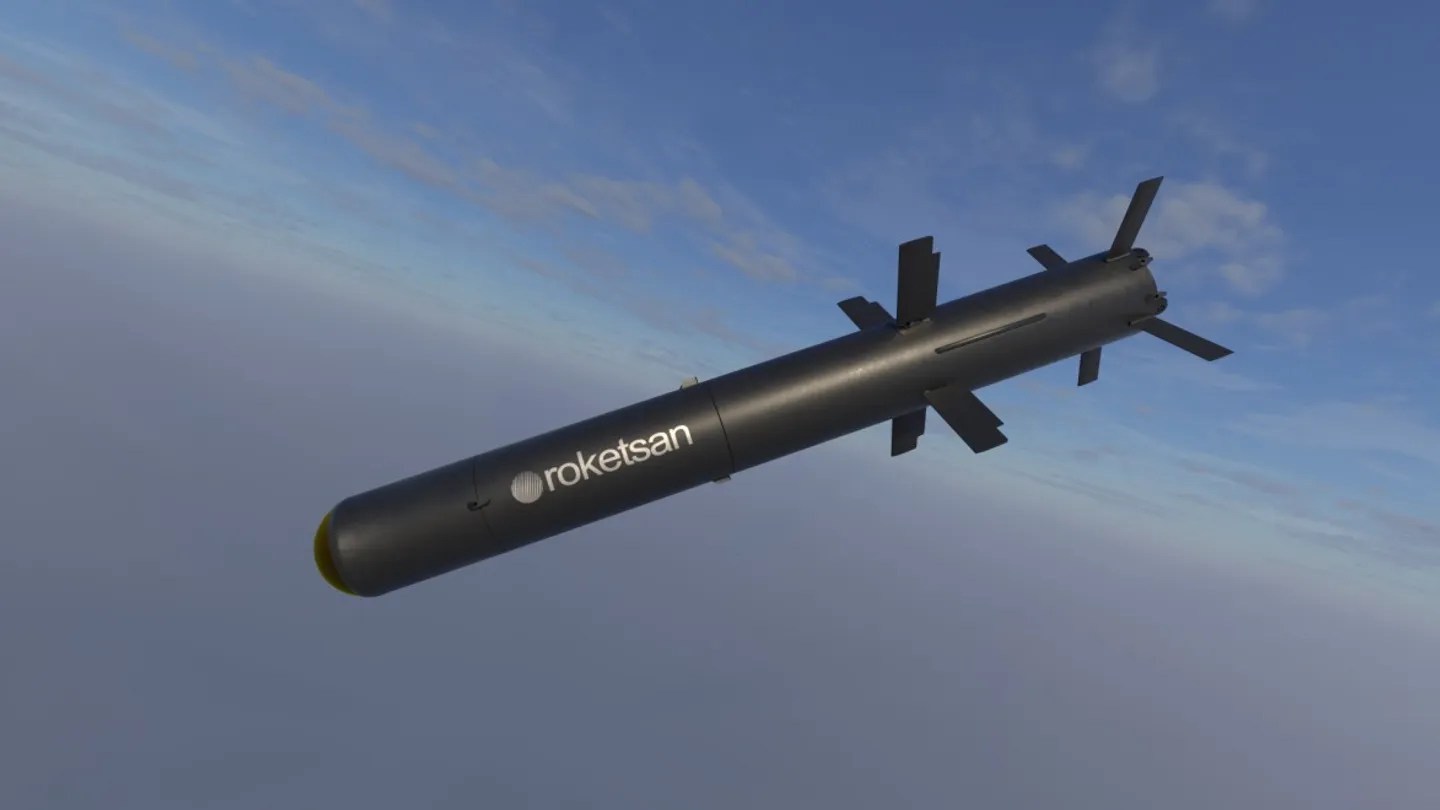

ANKARA: Türkiye’s defence company Roketsan said on Wednesday that its KARAOK Short-Range Anti-Tank Weapon System successfully struck an aerial target for the first time, demonstrating an additional capability beyond its original anti-armour role.
Roketsan announced the test through a post on X, describing KARAOK as an agile battlefield weapon and confirming that the system had successfully engaged an airborne target.
According to the company, the test demonstrated that KARAOK could potentially address threats beyond the stationary and moving ground targets it was originally designed to engage.
Roketsan Says Test Expands KARAOK’s Operational Scope
Roketsan CEO Murat İkinci said the successful engagement had broadened the weapon system’s demonstrated operational capabilities.
İkinci said Roketsan continued integrating different capabilities into its systems to provide solutions for changing operational requirements in the field.
However, the company did not provide additional details about the type, speed or altitude of the aerial target involved in the test.
Furthermore, Roketsan did not disclose the specific conditions under which the aerial interception took place.
KARAOK Originally Designed for Short-Range Anti-Armour Missions
KARAOK was primarily developed as a short-range anti-tank weapon for use against armoured ground targets.
The system uses an infrared imaging seeker designed to support operations during both daytime and nighttime conditions.
Additionally, Roketsan says KARAOK can engage both stationary and moving targets and incorporates armour-piercing capability for its original battlefield role.
The latest demonstration therefore adds an aerial engagement to the system’s publicly demonstrated capabilities.
Nevertheless, Roketsan characterised the development as an expansion of KARAOK’s operational scope rather than a replacement for its primary anti-tank mission.
The company said it would continue developing and integrating capabilities intended to address evolving requirements encountered by military forces in modern operational environments.

