
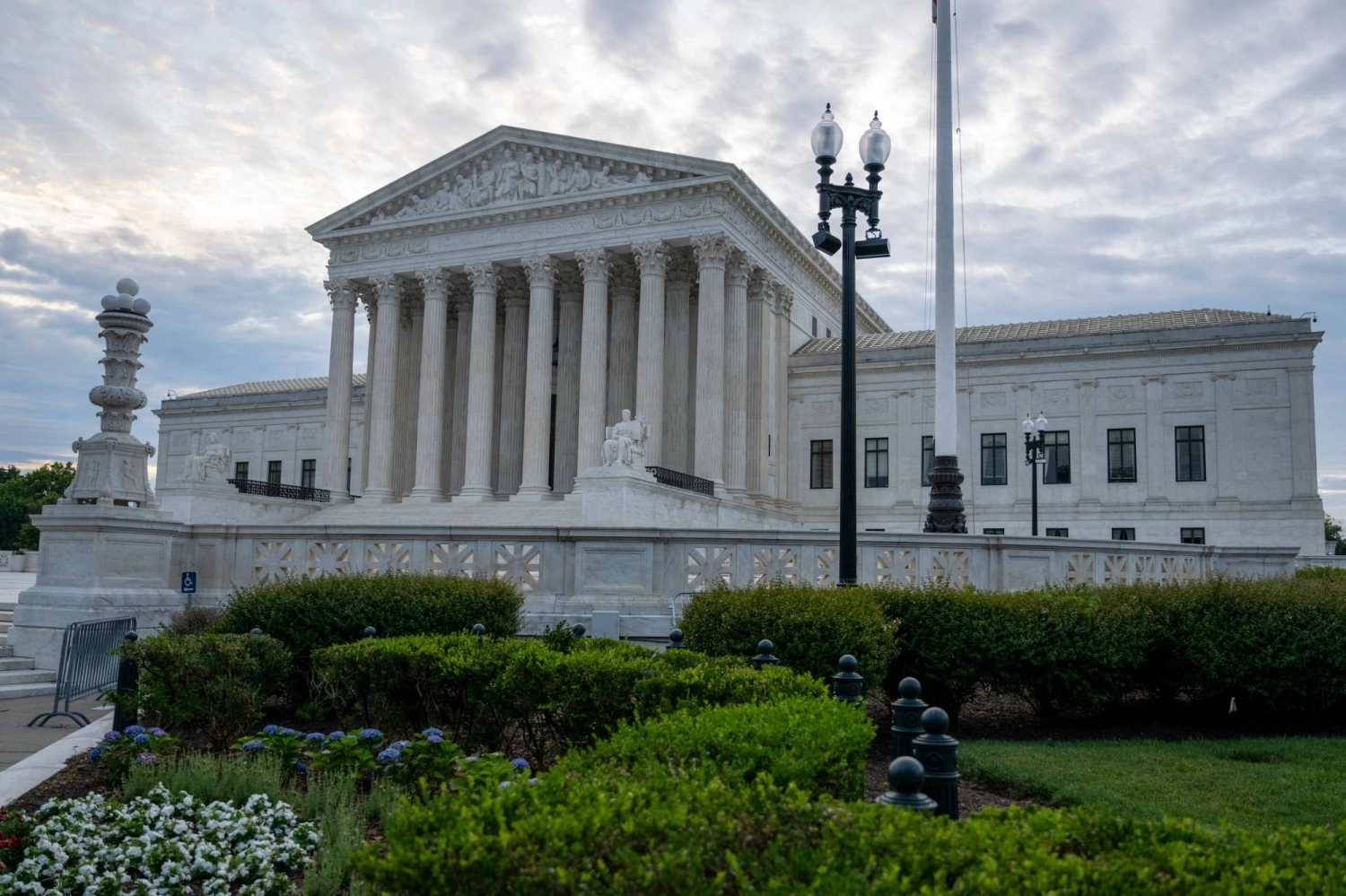

The US Supreme Court has allowed President Donald Trump’s administration to resume deporting migrants to countries other than their own.
The court granted the Justice Department’s emergency request on Tuesday. The decision puts a lower court ruling on hold. That ruling came from US District Judge Brian Murphy in Boston. Murphy had declared the administration’s third-country deportation policy unlawful.
However, the Supreme Court has not issued a final ruling on the policy. The justices will hear arguments in December before deciding the wider legal dispute.
Supreme Court Pauses Lower Court Ruling
The case centres on how the Department of Homeland Security handles third-country deportations. The policy allows US authorities to send migrants to countries other than their countries of origin.
Murphy ruled in February that the policy violated immigration procedures and due process protections. He also said migrants should receive meaningful notice before removal.
Immigrant rights groups brought the class-action case on behalf of migrants facing third-country deportation.
The groups argued that migrants need a chance to explain the dangers they could face after removal.
The Supreme Court’s latest order now allows the administration to continue the policy while the justices prepare to hear the case.
Thousands of Migrants Sent to Third Countries
Human rights groups estimate that US authorities have deported more than 25,000 migrants to at least 28 third countries since the policy began.
Mexico has received the largest number of deportees.
Meanwhile, the administration has also sent migrants to countries including South Sudan, Uganda, Equatorial Guinea, Liberia and the Central African Republic. The government has defended the policy as an important immigration enforcement tool.
In its emergency filing, the Justice Department called third-country deportations “an essential tool to remove certain aliens, including some of the worst criminal aliens.”
The administration argues that the policy helps authorities remove people who cannot return directly to their home countries.
How Third-Country Deportations Work
The policy allows authorities to quickly remove some migrants to third countries. Those countries must provide credible diplomatic assurances that they will not persecute or torture the people sent there.
The process differs when a country has not provided such assurances.
In those cases, US authorities can notify migrants about their destination. Officials can then assess potential risks if migrants raise concerns about persecution or torture.
The legal dispute focuses heavily on these procedures.
Murphy said migrants need meaningful notice and an opportunity to raise country-specific claims before removal. His February judgment formally declared the DHS policy unlawful.
Rights Groups Raise Safety Concerns
Immigrant rights organisations have strongly challenged the policy. They argue that some migrants could face serious harm after reaching third countries.
More than a dozen UN human rights experts have also urged the US government to stop policies that they say increase the risk of abuse, persecution and torture. The groups have raised particular concerns about migrants who already have protection claims in the United States.
Meanwhile, court filings in the case have described allegations of detention, abuse and other dangers faced by some people after removal. Those claims remain part of the ongoing legal dispute.
December Hearing Could Decide the Policy’s Future
The Supreme Court’s latest action does not end the legal battle. Instead, it allows the Trump administration to resume third-country deportations while the justices consider the case. The Supreme Court plans to hear arguments in December. The eventual ruling could determine what notice and legal protections migrants must receive before authorities remove them to third countries.
For now, the administration can continue the policy under the Supreme Court’s emergency order.
The December arguments will therefore become an important next step in determining the policy’s future.
For the latest updates, visit and follow The Truth International website (www.thetruthinternational.com) and subscribe to the YouTube Channel.

