

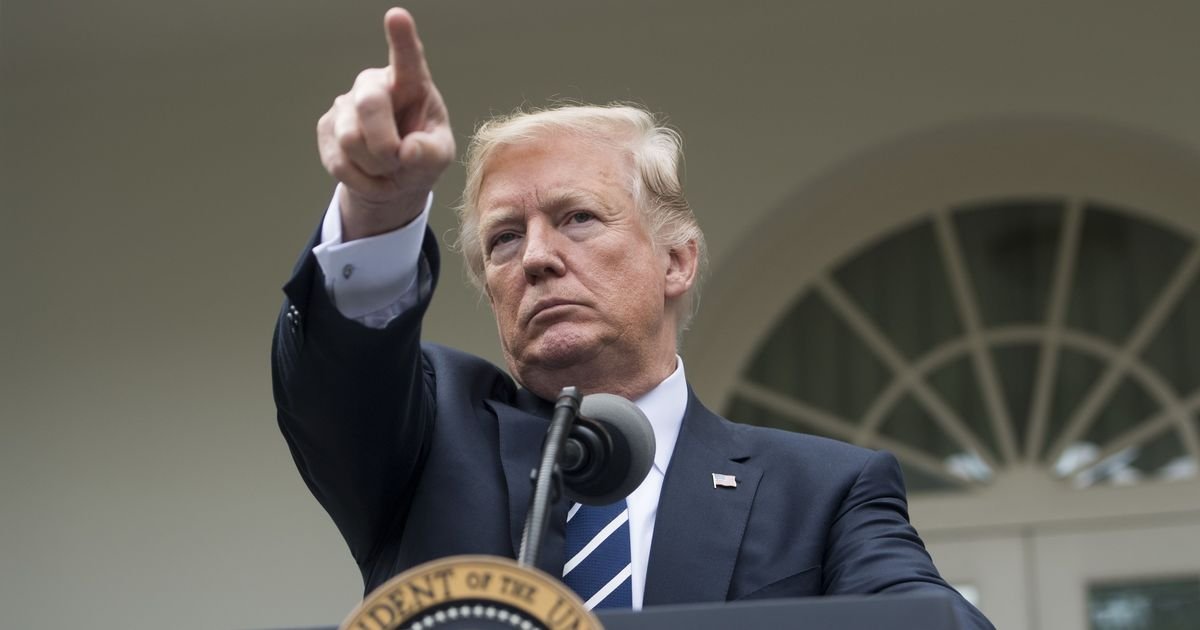

‘One Big Beautiful Bill’
U.S. President Donald Trump’s signature tax and spending proposal, branded the “One Big Beautiful Bill,” is facing a major political crisis as internal divisions among Republicans threaten to derail the legislation. Early Thursday morning, the bill’s future remained uncertain, with GOP leaders struggling to contain a widening revolt within their ranks in the House of Representatives.
The proposed legislation, which bundles sweeping tax cuts, significant increases in defense funding, and historic reductions to social safety net programs, was initially passed by the House in May. However, after narrowly clearing the Senate earlier this week—by just a single vote—the bill returned to the House for final approval. Senate amendments shifted the bill further to the right, intensifying fractures among House Republicans.
Despite the urgency, the final procedural vote in the House—typically a formality—dragged on for more than seven hours, the longest in House history. Speaker Mike Johnson kept the vote open late into the night in a desperate bid to win over GOP holdouts. “We’re going to get there tonight. We’re working on it and very, very positive about our progress,” Johnson said, attempting to project confidence amid growing uncertainty.
At the heart of the dispute is the bill’s enormous scope. It allocates $4.5 trillion to make Trump-era tax cuts permanent, ramps up spending for border enforcement and the military, and implements the most severe cuts to Medicaid since the program’s creation. Estimates suggest that these healthcare reductions alone could result in up to 17 million Americans losing coverage.
While Trump’s conservative base has lauded the bill, the fiscal implications have caused a rift within the Republican Party. Moderates, particularly those seeking reelection in swing districts, worry about the political fallout from slashing healthcare and welfare programs. Simultaneously, fiscal conservatives have raised concerns that the bill, despite its deep cuts, will still add roughly $3.4 trillion to the national debt over the next decade.
In a last-ditch effort to secure votes, Trump convened a closed-door meeting at the White House with undecided lawmakers. He also took to his social media platform, Truth Social, to issue a blunt warning to hesitant Republicans. “What are the Republicans waiting for?” he posted. “What are you trying to prove??? MAGA IS NOT HAPPY, AND IT’S COSTING YOU VOTES!!!”
Democrats, meanwhile, are uniformly opposed to the legislation. House Minority Leader Hakeem Jeffries slammed the bill as a “disgusting abomination,” accusing Republicans of enacting a reverse wealth transfer that benefits the rich at the expense of the poor.
With the GOP deeply divided and the July 4 deadline set by Trump fast approaching, the bill’s fate hangs in the balance. What was intended to be a crowning legislative achievement for the president has instead become a symbol of Republican infighting and legislative dysfunction—one that could have far-reaching implications for both Trump’s legacy and the 2026 midterms.
