

Escalating Rhetoric Raises Concerns Over Strait of Hormuz Security
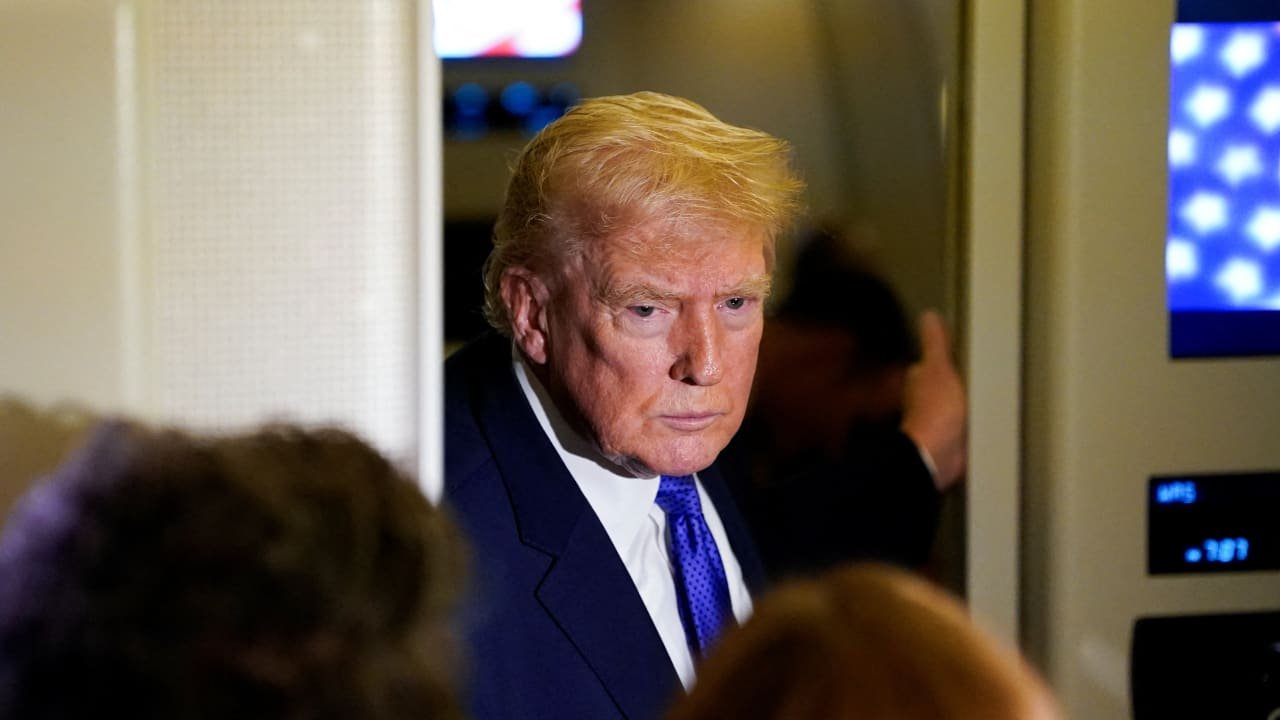
Former US President Donald Trump has issued a strong warning to Iran regarding possible attacks on US naval vessels. His comments have intensified concerns about rising tensions in the Middle East.
Speaking in an interview with Trey Yingst on Fox News, Trump said Iran would face severe consequences if it targeted US ships. These vessels are currently involved in guiding commercial traffic through the critical Strait of Hormuz.
Trump stated that any such attack would result in Iran being “blown off the face of the earth.” The remark reflects a highly aggressive stance and signals the seriousness of the situation.
The Strait of Hormuz is one of the most important oil transit routes in the world. A significant portion of global energy supplies passes through this narrow waterway. Any disruption in this region can have immediate global economic consequences.
Strategic Waterway Remains a Global Flashpoint
The Strait of Hormuz connects the Persian Gulf to international waters. It is essential for oil exports from several Gulf countries. Due to its importance, the area has long been a focal point for geopolitical tensions.
US naval forces often operate in the region to ensure safe passage for commercial vessels. These operations aim to prevent disruptions and maintain stability in global shipping routes.
Tensions between the United States and Iran have fluctuated over the years. Periodic incidents involving ships, drones, and military presence have kept the region on edge.
Trump’s recent statement adds to the existing pressure. Analysts warn that such rhetoric can escalate already fragile relations. It may also influence market reactions, especially in the energy sector.
Global Implications and Market Sensitivity to Conflict Risks
Any potential conflict in the region could have wide-reaching effects. Oil markets are highly sensitive to developments in the Middle East. Even verbal threats can trigger price volatility.
Security concerns in the Gulf often lead to increased military presence. This can raise the risk of miscalculation or accidental escalation. Diplomatic channels usually play a key role in preventing conflict.
Experts suggest that strong language from political leaders can shape global perceptions. It can also impact investor confidence and international relations.
The situation remains fluid. There has been no confirmed escalation following the statement. However, the warning highlights ongoing geopolitical uncertainty in a critical region.
Observers continue to monitor developments closely. The stability of the Strait of Hormuz remains vital for global trade and energy supply chains.

