
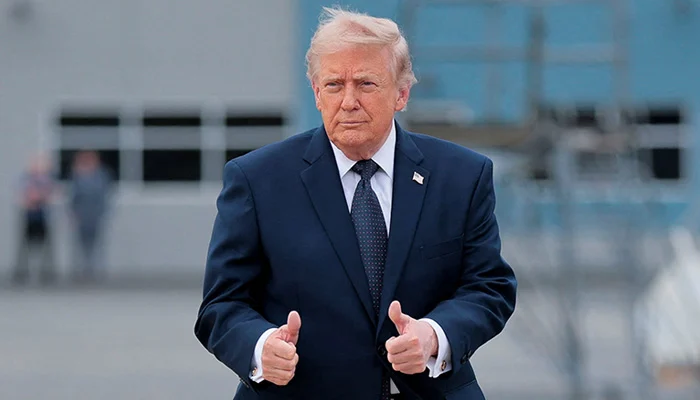

US President Donald Trump said Washington remains in a powerful position during ongoing negotiations with Iran.
At the same time, he described Iranian negotiators as skilled and strategic during discussions aimed at ending regional tensions.
Speaking about the talks, Trump said, “They’re very good negotiators, they’re crafty, but in the end we have all the cards because we’ve defeated them militarily.”
He also repeated earlier claims regarding damage to Iran’s military infrastructure during previous joint operations involving the United States and Israel.
Draft Peace Agreement Shared With Allies
The proposed peace framework has reportedly been shared with several US allies, including Israel.
The emerging proposal focuses on extending the current ceasefire for another 60 days. Additionally, it seeks to reopen commercial navigation through the Strait of Hormuz.
The agreement may also create space for broader discussions regarding Iran’s nuclear programme. However, officials say several points still require final approval.
US Vice President JD Vance acknowledged that negotiations had made “a lot of progress.”
Nevertheless, he confirmed that discussions continue over specific wording inside the draft framework.
Key Points Inside the Proposed Framework
According to details linked to the ongoing negotiations, the draft memorandum includes several major proposals.
These points reportedly include unrestricted shipping access through the Strait of Hormuz and the removal of naval restrictions affecting Iranian ports.
Furthermore, discussions also involve access to frozen Iranian financial assets and future talks surrounding nuclear-related issues.
Despite progress, negotiators from both sides continue working on unresolved matters before any formal announcement takes place.
Pakistan Continues Diplomatic Engagement
Pakistan remains actively involved in diplomatic efforts connected to the negotiations.
Foreign Minister Ishaq Dar is expected to hold meetings in Washington as part of ongoing regional coordination efforts.
Pakistan has continued encouraging de-escalation and diplomatic engagement throughout the crisis. Consequently, Islamabad’s mediation role has gained increasing international attention.
Strait of Hormuz Remains Central Issue
The Strait of Hormuz continues to play a major role in negotiations because global oil shipments heavily depend on the route.
Any disruption in the strategic waterway directly affects international energy markets and shipping activity. Therefore, restoring unrestricted navigation remains a top priority for several countries involved in the talks.
Oil prices also reacted sharply to recent developments as markets monitored both ceasefire discussions and military tensions closely.
Tensions Continue Despite Negotiations
Although diplomatic discussions have progressed, tensions in the region remain high.
Recent military exchanges and accusations of ceasefire violations have increased uncertainty surrounding the negotiations. Both sides have blamed each other for recent incidents connected to regional security operations.
Meanwhile, concerns continue growing over possible escalation involving Lebanon and other regional fronts.
Trump Warns Against Weak Agreement
Trump also made clear that Washington would reject any agreement viewed as unfavorable to US interests.
Speaking about the ongoing negotiations, he said, “A deal that wasn’t going to be good for us is the line, ultimately.”
The statement signals that final approval still depends on unresolved political and security concerns.
Regional Diplomacy Intensifies
Several regional countries continue participating in diplomatic discussions linked to the potential agreement.
Officials from Gulf states and Middle Eastern governments remain engaged as negotiators attempt to stabilize the situation. Moreover, regional leaders are closely watching developments involving trade routes, sanctions and security arrangements.
Conclusion
Negotiations between the United States and Iran appear closer to a possible breakthrough after weeks of rising regional tensions.
Although several issues remain unresolved, both sides continue working toward a framework that could extend the ceasefire and reopen critical shipping routes.
For now, the world waits to see whether the proposed agreement receives final political approval in the coming days.

