

US President Donald Trump announced Wednesday that he has extended the ceasefire with Iran, linking the move to Tehran’s ability to present a unified negotiation proposal. He stated that US forces would maintain the blockade while remaining prepared for further action if talks fail.
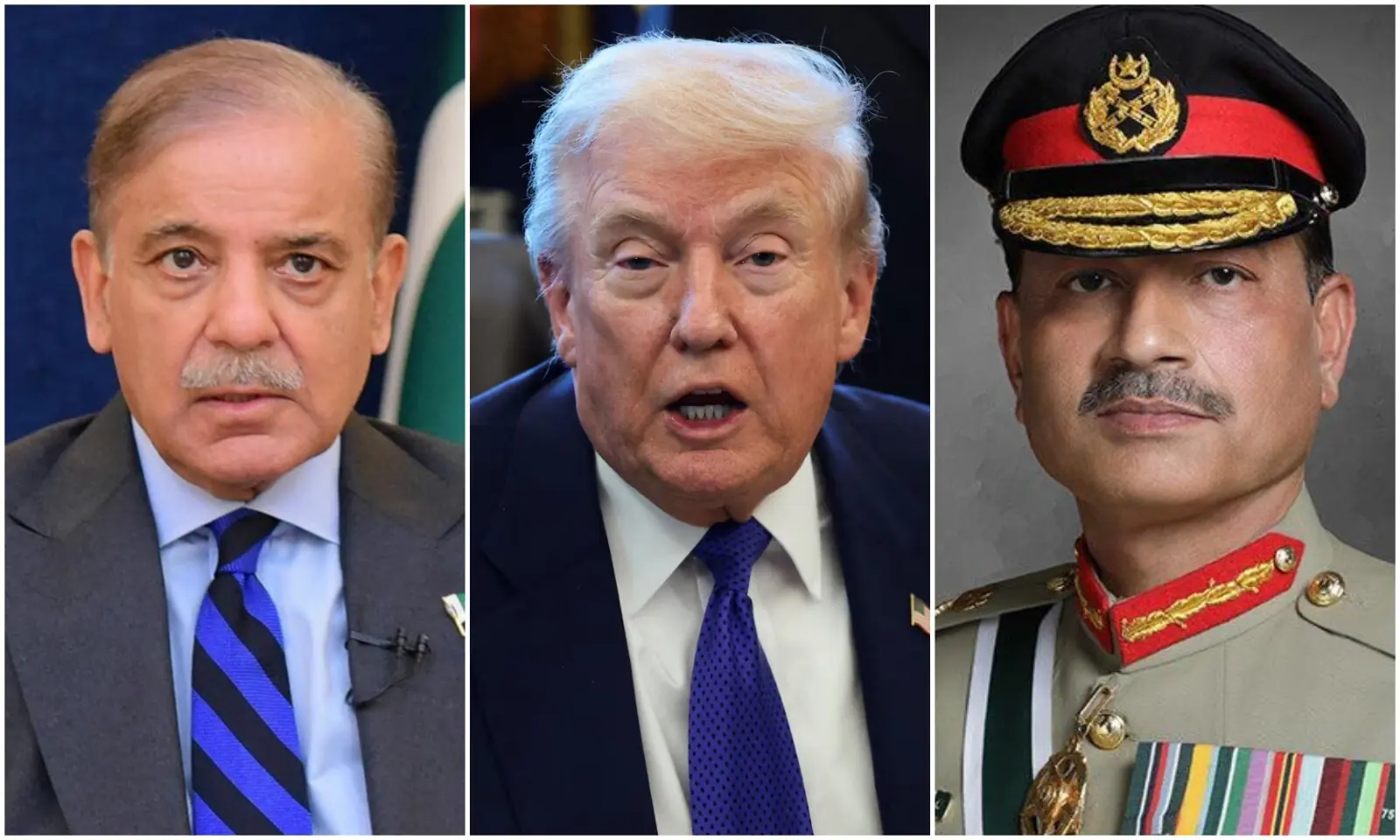
Trump said he made the decision following requests from Shehbaz Sharif and Asim Munir, emphasizing that the truce would continue until discussions conclude. Notably, the extension comes despite his earlier reluctance to prolong the ceasefire beyond its initial deadline.
Meanwhile, Pakistan welcomed the decision and reiterated its commitment to diplomacy. Sharif expressed hope that both sides would maintain restraint and work toward a comprehensive agreement during expected talks in Islamabad. Officials, however, confirmed that uncertainty still surrounds the next round of negotiations.
On the other hand, Iran has not issued an immediate response. Prior to the announcement, Iranian officials questioned Washington’s intentions, citing recent US actions, including maritime seizures, as contradictory to diplomatic efforts. These developments have complicated efforts to resume dialogue.
Furthermore, tensions have intensified in strategic areas such as the Strait of Hormuz, where both sides have taken opposing measures. The US continues its blockade, while Iran has responded with increased military signaling.
Although Pakistan has actively facilitated communication between the two sides, a clear path forward remains elusive. Analysts note that disagreements over maritime access and nuclear commitments continue to block progress.
Consequently, while the ceasefire offers temporary relief, the broader conflict remains unresolved, with both sides preparing for potential escalation.

