
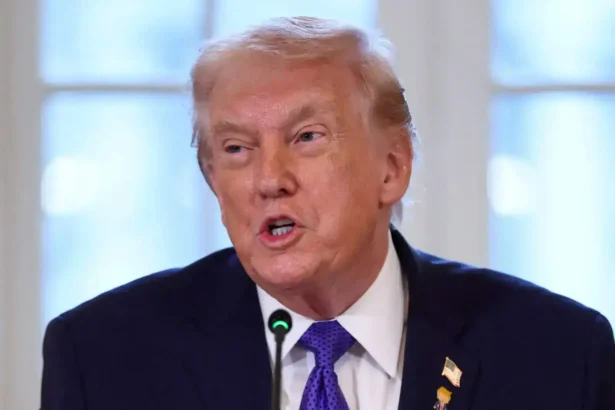

US President Donald Trump has withdrawn his proposal to impose a 20 percent fee on cargo passing through the Strait of Hormuz. Instead, he announced plans to pursue trade and investment agreements with Gulf states. The decision came one day after unveiling the controversial shipping levy.
Trump Replaces Levy With Investment Strategy
Trump said discussions with Middle East leaders influenced his decision. Consequently, he chose trade and investment partnerships over the proposed reimbursement fee.
Trump said Gulf countries would make significant investments in the United States. However, he did not announce any confirmed commitments from regional governments.
He added that the expected investments would be substantial while also benefiting the Gulf states’ long-term economic interests. Nevertheless, he offered no further details about potential agreements.
On Monday, Trump proposed a 20 percent fee to help fund security for the strategic waterway. The proposal immediately drew international attention because of the strait’s importance to global energy supplies.
Iran-Focused Blockade Still Planned
Meanwhile, Trump declared that the Strait of Hormuz would remain open to international shipping. However, he said the United States would impose a full blockade on vessels linked to Iran.
According to Trump, the blockade would target ships traveling to or from Iranian ports. It would also apply to vessels carrying Iranian cargo.
Shortly after Monday’s announcement, the United Nations’ shipping agency opposed imposing fees on vessels using international maritime routes. However, the agency said it would wait for additional details before making further comments.
The Strait of Hormuz remains one of the world’s busiest shipping corridors. Therefore, any policy changes affecting the route attract close attention from global markets and governments.
Trump’s latest announcement signals a shift from proposed shipping charges toward economic cooperation with Gulf allies while maintaining pressure on Iran.

