


Civilian Nuclear Deal
U.S. President Donald Trump on Friday firmly rejected media reports suggesting that his administration was considering providing Iran with as much as $30 billion in economic incentives to support the development of a civilian nuclear energy program.
The reports, which emerged from CNN and NBC News, claimed that Washington was exploring diplomatic avenues to persuade Tehran to halt its uranium enrichment activities.
CNN, citing anonymous U.S. officials, reported that preliminary discussions had taken place within the Trump administration regarding potential financial and technological support for Iran’s civilian nuclear ambitions.
The proposals, according to the outlet, were in the very early stages and had not been formalized. NBC News echoed similar claims, suggesting that the U.S. was weighing economic concessions in exchange for Iran’s cooperation on limiting its nuclear activities.
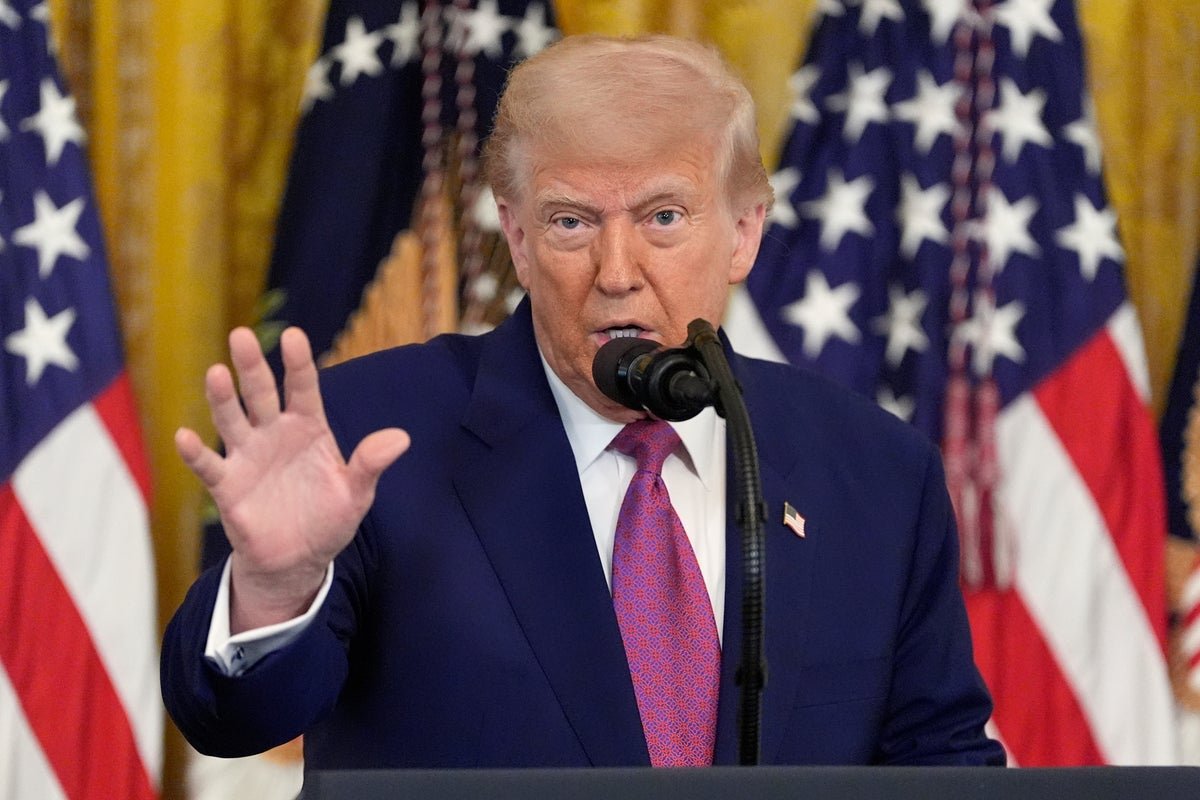
However, President Trump took to his social media platform, Truth Social, to vehemently deny the reports, labeling them as “fake news” and a “HOAX.”
“Who in the Fake News Media is the SleazeBag saying that ‘President Trump wants to give Iran $30 Billion to build non-military Nuclear facilities.’ Never heard of this ridiculous idea,” Trump wrote late Friday, categorically distancing himself from any such initiative.
The reports come at a time of heightened regional instability. In recent weeks, the U.S. and Iran have engaged in indirect negotiations, aimed at de-escalating tensions over Tehran’s nuclear program. While Iran maintains that its nuclear development is solely for peaceful, civilian purposes, Washington continues to insist that it seeks to prevent Iran from ever developing nuclear weapons.
The controversy surrounding the alleged $30 billion proposal also follows a volatile military escalation in the Middle East. On June 13, Israel launched attacks on Iranian facilities, triggering a series of retaliatory strikes that saw Iran target a U.S. military base in Qatar.
In response, the U.S. conducted airstrikes against Iran’s nuclear infrastructure. The tit-for-tat violence prompted international alarm, as the Israel-Iran conflict threatened to spiral into a broader war.
Earlier this week, President Trump announced a ceasefire between Iran and Israel, temporarily halting a conflict that had added fuel to an already volatile regional landscape—exacerbated by Israel’s ongoing war in Gaza since October 2023.
In the broader context, the U.S. and its allies continue to monitor Iran’s nuclear ambitions with caution. Despite Israeli concerns and accusations, the International Atomic Energy Agency (IAEA) — the UN’s nuclear watchdog — has repeatedly reported that it has “no credible indication” of Iran pursuing an active, coordinated nuclear weapons program.
Iran remains a signatory to the Nuclear Non-Proliferation Treaty (NPT), which places its nuclear activities under international scrutiny, unlike Israel, which has never joined the treaty and is widely believed to possess its own undeclared nuclear arsenal.
As of now, the alleged nuclear incentive plan remains officially denied by the Trump administration, and any future negotiations will likely face intense political and public scrutiny, especially in light of the volatile geopolitical climate in the Middle East.
