
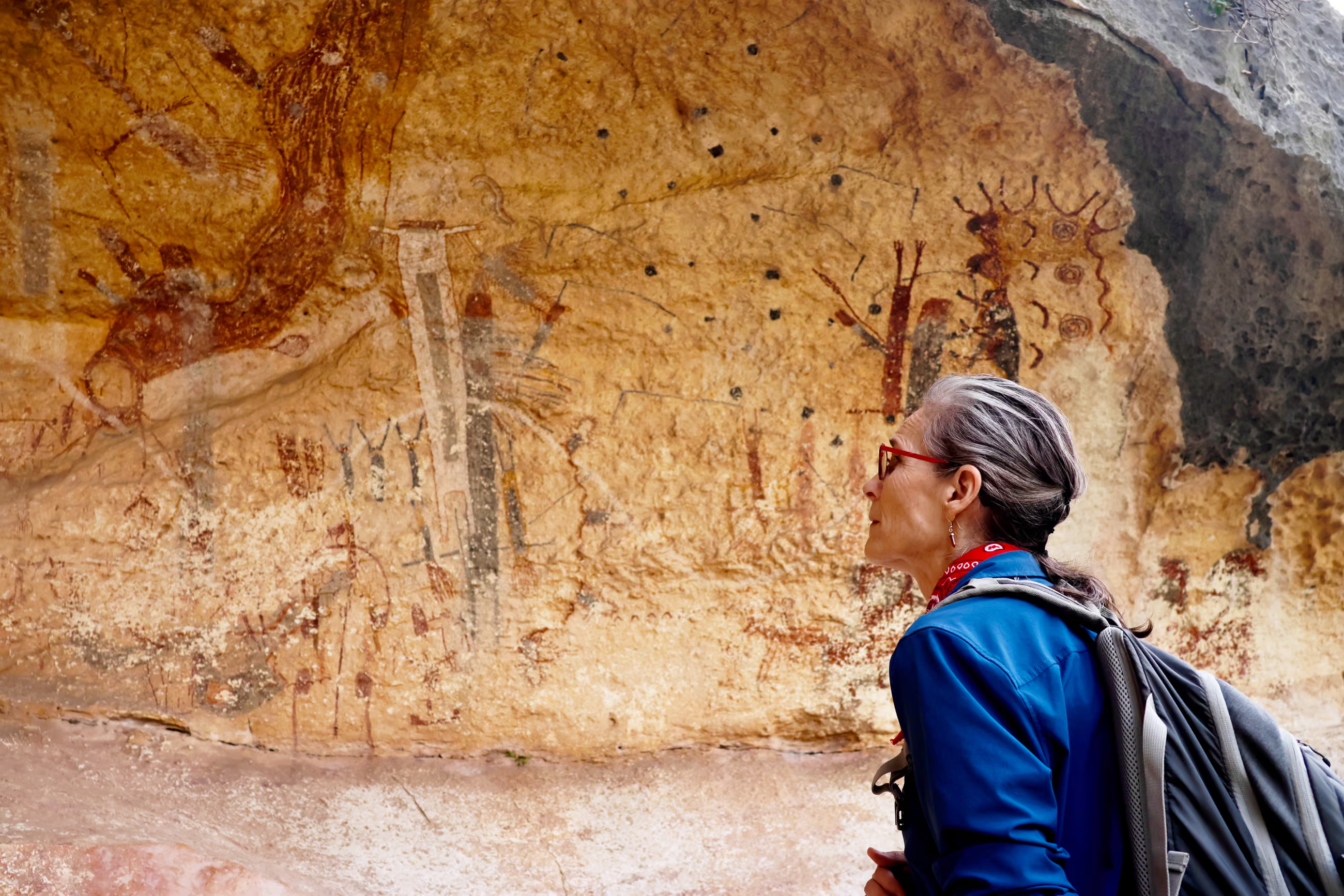

Archaeologists warn construction, blasting and heavy machinery could damage thousands-year-old murals across the Lower Pecos region
TEXAS: Plans to expand US border infrastructure across west Texas have raised concerns among archaeologists and Indigenous communities who fear construction could permanently damage ancient rock art sites dating back thousands of years.
The Trump administration’s border programme includes 165 miles of vehicle barriers and patrol roads stretching from near Big Bend National Park towards Lake Amistad. The proposed route passes through areas containing numerous archaeological sites, including Seminole Canyon State Park.
Archaeologist Carolyn Boyd, who has studied Lower Pecos rock art for 35 years, described the murals as culturally significant records created by Indigenous hunter-gatherer communities. Some feature human-like figures reaching nearly 30 feet and required sophisticated pigments, scaffolding and coordinated artistic work.
Construction Raises Fears of Irreversible Damage
Researchers particularly fear vibrations from dynamite blasting and heavy construction equipment could accelerate “spalling,” a natural process in which pieces of porous limestone break away.
Consequently, construction would not need to directly strike a mural to damage it. Archaeologists warn vibrations could cause painted rock surfaces to fracture hundreds of yards from construction activity.
Moreover, researchers say at least 80 known murals could eventually lie south of the proposed barrier, potentially complicating access for archaeologists and Indigenous visitors.
The Department of Homeland Security has waived several federal requirements that would normally govern environmental and cultural reviews.
Landowners Resist Proposed Barrier
Meanwhile, some ranchers have resisted government efforts to acquire land for construction. Patrick Zuberbueler said his family rejected offers involving property near Painted Shelter, an important archaeological site already experiencing natural deterioration.
Another landowner, Raymond Skiles, fears blasting near his property could threaten murals located along canyon walls.
Customs and Border Protection said it remains committed to environmental and cultural stewardship and conducts reviews before construction.
However, Boyd argues that the murals represent an irreplaceable archive of Indigenous history.
Researchers hope continued study could eventually help decipher their imagery and preserve stories transmitted across thousands of years.

