
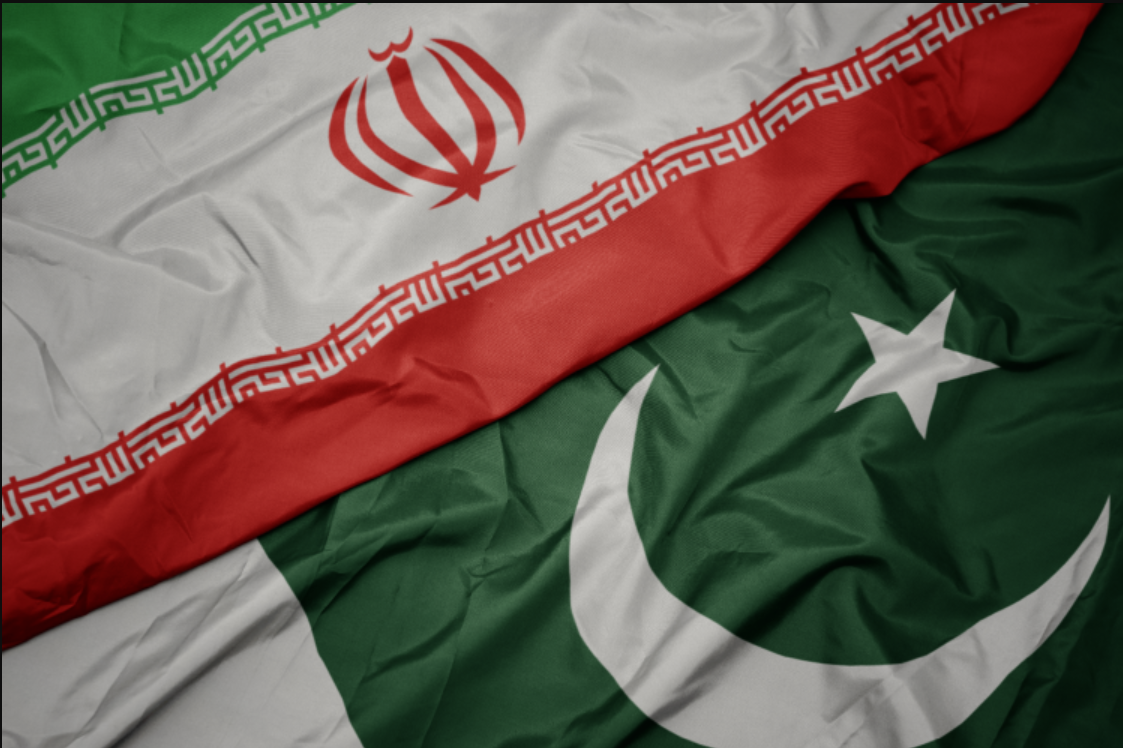

The federal government has introduced a temporary policy relaxation to support exports through Iran’s land corridor. This decision aims to maintain trade flows after disruptions affected Pakistan’s traditional export routes via Afghanistan.
Authorities announced a temporary exemption from certain financial instrument requirements to assist exporters.
The exemption applies to exports heading toward Iran, the Central Asian Republics, and Azerbaijan. Officials believe the move will help businesses regain access to regional markets. Consequently, exporters can continue shipments despite logistical challenges.
Policy Relaxation Under Export Rules
The exemption modifies provisions under Paragraph 3 of the Export Policy Order 2022. Previously, exporters had to comply fully with foreign exchange procedures regulated under existing financial laws.
These procedures were enforced through rules notified by the State Bank of Pakistan under the Import and Export Control Act, 1950.
However, operational hurdles emerged when banks hesitated to process transactions without clear instructions. As a result, exporters faced delays and uncertainty in completing trade deals. The government introduced temporary relief to resolve these bottlenecks quickly.
Three-Month Window to Support Exporters
The relaxation will remain effective for three months. It began on March 24, 2026, and will continue until June 21, 2026. During this period, exporters must provide written undertakings regarding payment repatriation timelines.
Authorities require exporters to confirm that export proceeds will return within prescribed limits. Therefore, compliance with financial accountability remains mandatory despite relaxed procedures.
Wide Range of Goods Allowed Through Iran Corridor
Under the new arrangement, Pakistan can export multiple commodities using the Iran land route. Rice exports to Central Asian Republics and Azerbaijan are specifically permitted through this corridor.
Additionally, exporters may ship seafood, potatoes, meat, onions, maize, and citrus fruits. Bananas, tomatoes, frozen chicken, pharmaceuticals, tents, and milled rice are also included. Officials expect this diversification to stabilize export volumes during the disruption period.
Afghanistan Route Disruptions Trigger Policy Shift
Pakistan traditionally relied on Afghanistan as a major transit route to Central Asia. However, prolonged border closures significantly disrupted trade activities. Exports to Afghanistan and nearby markets declined sharply as transport access became restricted.
During the first eight months of fiscal year 2025–26, trade data reflected severe contraction. Exports to Afghanistan dropped to nearly $219 million between July and December 2025. This represented a decline exceeding 56 percent compared with the previous year.
Meanwhile, exports to Central Asian markets remained limited at approximately $109 million. Transit constraints continued to affect exporters seeking regional market access.
Alternative Routes Aim to Stabilize Trade
The government views the Iran corridor as a practical alternative during ongoing disruptions. Officials believe the temporary exemption will ease trade pressure on exporters. Moreover, the policy helps businesses maintain supply chains and customer relationships abroad.
By enabling smoother exports, authorities aim to prevent further decline in regional trade performance. Exporters now have an interim pathway while long-term transit solutions are explored.
Supporting Export Recovery Efforts
The decision reflects broader efforts to stabilize Pakistan’s export sector during regional uncertainty. Officials emphasize that the exemption remains temporary and subject to review. Meanwhile, exporters are encouraged to utilize the facility responsibly.
Ultimately, the policy seeks to protect trade momentum and economic activity. By opening alternative corridors, Pakistan hopes to sustain export growth despite geopolitical and logistical challenges.

