
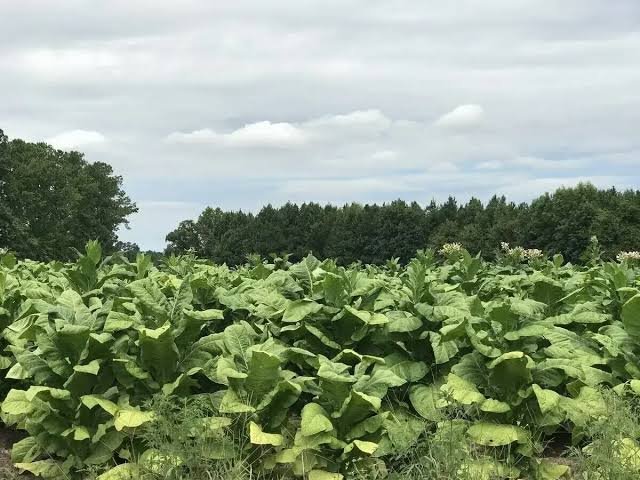

Tobacco farmers across Pakistan are facing mounting financial pressure as buyers reportedly force them to sell their crops at prices below officially determined rates. The situation has intensified concerns about agricultural livelihoods, rising production costs and the enforcement of government pricing regulations.
Growers, particularly in Khyber Pakhtunkhwa, say limited purchasing options have left them struggling to recover cultivation expenses. Moreover, delays in payments and reduced purchasing quotas have further weakened their financial position during the ongoing tobacco buying season.
Farmers Struggle Against Falling Tobacco Prices
Farmers have reported receiving offers significantly below government benchmarks, forcing many to accept lower rates to avoid keeping unsold tobacco. Since growers often lack sufficient storage facilities and financial resources, they cannot hold their produce for extended periods while waiting for better prices.
According to reports, some buyers have offered as little as Rs. 350 per kilogram for tobacco, despite higher official price benchmarks. Consequently, growers fear substantial losses as production expenses continue to rise.
The Pakistan Tobacco Board regulates tobacco purchasing arrangements and announces official pricing benchmarks. However, farmers have questioned whether authorities can ensure buyers follow the prescribed rates and purchase commitments.
Reduced Purchases Increase Financial Pressure
Tobacco companies have reduced their purchasing requirements, leaving additional quantities without guaranteed buyers. As a result, growers face the risk of selling surplus crops at heavily discounted prices.
Furthermore, farmers have raised concerns about delayed payments and disputes over crop quality at purchasing centres. These problems can reduce their earnings and make it difficult to repay loans, cover labour costs and prepare for the next cultivation season.
Industry representatives have urged authorities to strengthen monitoring and enforce existing purchasing regulations. Meanwhile, the government faces pressure to protect growers from unfair market practices and ensure transparent transactions.
The ongoing crisis highlights the need for effective oversight and stronger protections for agricultural producers. Without timely intervention, tobacco farmers could face further financial losses, threatening household incomes and economic activity in major tobacco-producing districts.
For the latest updates, visit and follow The Truth International website (www.thetruthinternational.com) and subscribe to the YouTube Channel.

