


Complete Suspension of Fibre-Optic Services
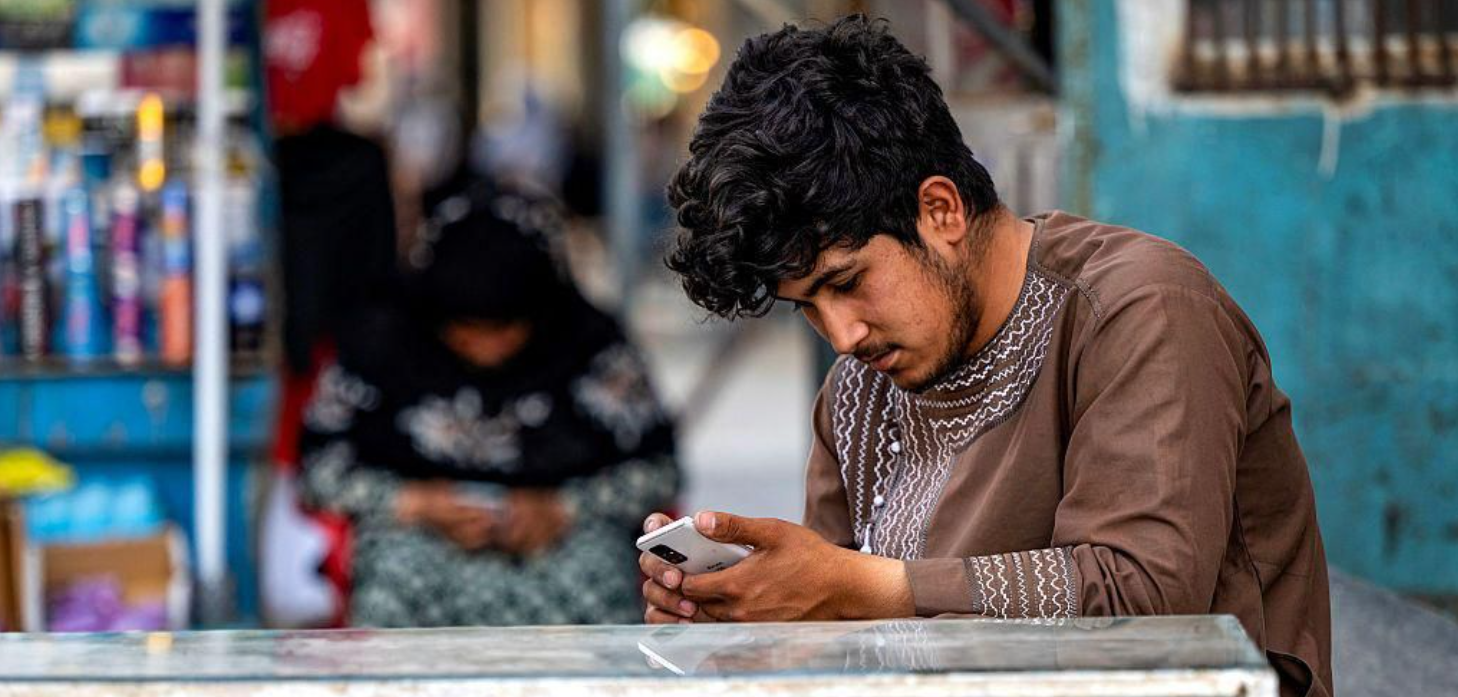
The Taliban authorities have imposed a nationwide internet blackout, cutting fibre-optic services across Afghanistan. The shutdown, which began on September 29, has disrupted daily life for millions. Businesses, students, journalists, and civil society groups are struggling under the restrictions.
In Kabul and several provinces, high-speed internet has been completely suspended. Mobile networks are limited to 2G speeds, barely enough for basic communication. This sudden disruption has impacted every sector, from education and healthcare to commerce and media.
Taliban’s Justification for the Shutdown
Officials from the Taliban stated that the suspension aims to prevent access to “immoral and harmful content.” However, critics argue otherwise. Human rights organisations, civil society groups, and ordinary citizens believe the blackout is a tool to silence free expression.
Observers note that this action aligns with the Taliban’s broader push for digital control. They argue that the move is designed to restrict dissent and weaken independent media voices.
Severe Impact on Education and Businesses
Students have been among the hardest hit. Many rely on stable internet connections for online classes, scholarship applications, and research. The blackout has now left them disconnected from global learning resources.
Business circles have also expressed alarm. In a country where economic conditions are already dire, cutting internet access threatens trade, banking, and e-commerce activities. Entrepreneurs and small enterprises dependent on digital platforms have seen their operations crippled.
Challenges for Media and Free Speech
Independent media outlets have warned that the blackout is a serious blow to journalism. Broadcasting, reporting, and information gathering have all been severely hampered. This raises concerns about transparency and accountability in governance.
Civil society activists emphasise that freedom of expression cannot exist without access to communication channels. They argue that the blackout directly violates fundamental rights and further isolates Afghanistan from the international community.
Evidence of Nationwide Disruption
Global internet governance monitors reported a dramatic fall in connectivity levels. Telecommunication activity dropped to just 14 percent of normal levels, confirming the scale of the blackout. Analysts describe this as one of the most severe restrictions on digital access in Afghanistan’s recent history.
Growing Isolation from the World
Observers warn that the blackout deepens Afghanistan’s isolation. By cutting internet access, the Taliban government risks pushing the nation further away from international engagement. Critics highlight that in a digital age, restricting connectivity not only silences voices but also undermines development, innovation, and education.
The move illustrates the Taliban’s tightening control over Afghan society. For many citizens, the internet blackout is more than an inconvenience; it is a direct assault on their freedoms, rights, and hopes for connection with the outside world.
