
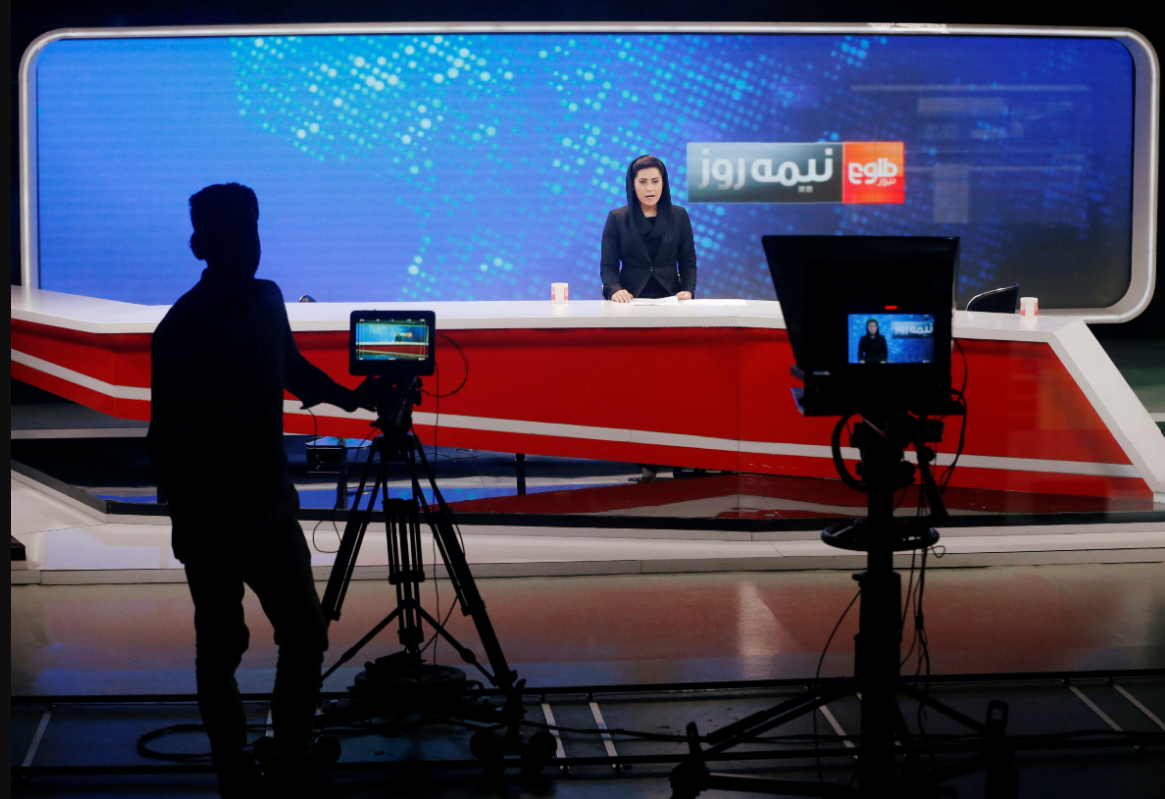

The Taliban authorities in Afghanistan have detained at least three journalists, triggering concern from the United Nations over worsening press freedom conditions in the country.
The detentions have added to growing fears about the shrinking space for independent journalism since the Taliban returned to power in 2021.
UN Calls for Protection of Journalists
The United Nations Assistance Mission in Afghanistan (UNAMA) confirmed that three journalists have been taken into custody on unspecified charges.
The UN mission urged authorities to ensure the safety of media professionals and respect international human rights obligations.
It stated that journalists must be allowed to work “without fear of intimidation, harassment, or reprisal,” highlighting increasing pressure on the media sector.
Journalists Detained in Kabul
Media and rights organizations reported that those detained include the head of a Kabul-based news agency along with two staff members from a major 24-hour Afghan news outlet.
The Taliban government confirmed the detention of two journalists, stating that their cases are currently under investigation.
However, officials did not provide details regarding the charges or legal grounds for their arrest.
The detained journalists have been identified as Imran Danish and Mansoor Niazi, according to statements from media organizations.
A third journalist, associated with a separate news agency, was reportedly arrested earlier at his office in Kabul by intelligence personnel.
Investigation Underway Without Clear Charges
Authorities have stated that investigations are ongoing, but no formal charges have been disclosed publicly.
Officials indicated that more information would be shared once legal procedures are completed.
Media organizations representing the detained journalists have expressed concern over the lack of transparency in the process.
Decline in Press Freedom Since 2021
Afghanistan’s media landscape has undergone significant restrictions since the Taliban’s return to power in August 2021.
Reports indicate that more than 40 percent of media outlets shut down within the first few months of the new administration.
Journalists, particularly women, have faced increasing barriers, with many excluded from media-related work entirely.
This has contributed to a sharp decline in independent reporting across the country.
Afghanistan Among High-Risk Countries for Journalists
International press freedom organizations continue to classify Afghanistan as one of the most dangerous countries for journalists.
Risks include detention, intimidation, and restrictions on reporting, especially in politically sensitive cases.
Media watchdogs have repeatedly called for stronger protections and clearer legal frameworks for journalists operating in the country.
Growing International Concern
The recent detentions have added to global concern over freedom of expression in Afghanistan.
Human rights groups argue that unclear legal procedures and limited transparency undermine trust in the justice system.
They also stress that continued restrictions on media could further isolate Afghanistan from international engagement.
Outlook for Afghan Media Environment
The situation remains uncertain as authorities continue their investigations without publicly disclosing detailed charges.
Meanwhile, journalists and media organizations are calling for due process and protection under international law.
The developments highlight ongoing tensions between press freedom and state control in Afghanistan’s evolving political landscape.

