
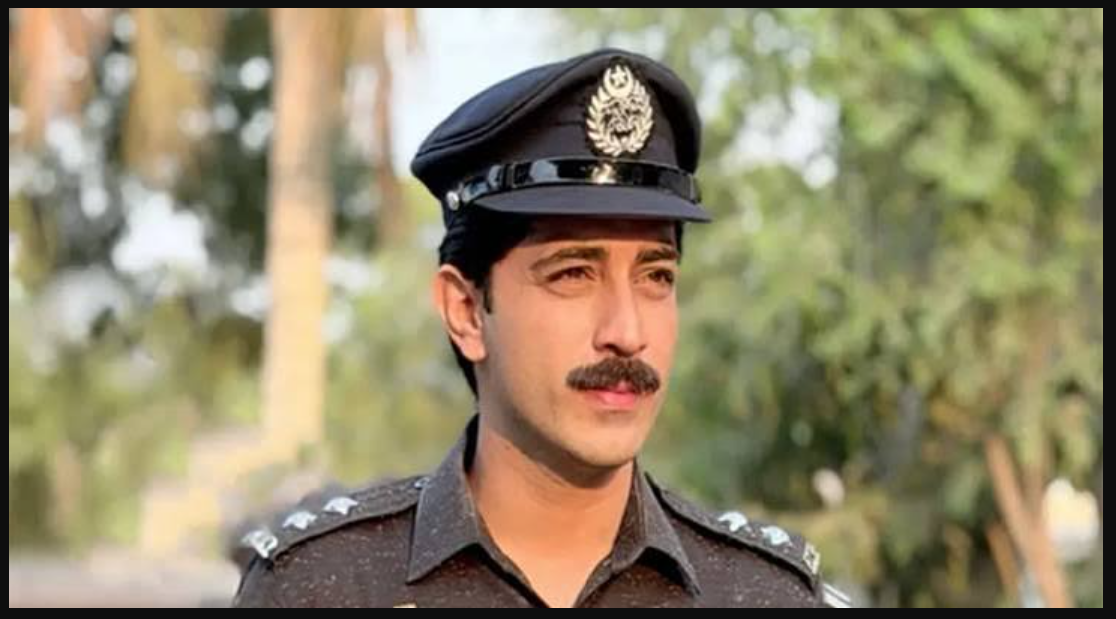

Pakistani actor Talha Chahour has praised writer Umera Ahmed for creating a deeply moving scene in the drama serial Rutba. The actor recently reflected on an emotionally powerful sequence that continued to resonate with him after filming.
The scene explores several complex human emotions, including guilt, greed, personal weakness and the consequences of individual choices. Moreover, it reveals the emotional conflict within Hadi, the character portrayed by Talha.
Chahour described the sequence as one of the drama’s most thought-provoking moments. He also acknowledged the creative team behind its powerful presentation.
What Makes Hadi’s Scene in Rutba So Emotional?
The emotional sequence takes place after Hadi becomes a father. While sitting beside his own father, he experiences a moment of deep reflection about his personal struggles.
During their conversation, Hadi confronts an uncomfortable truth about himself. Despite being regarded as someone who guides others, he realises that he also needs direction in life.
He expresses this realisation through the words, “I need guidance myself.”
However, the moment becomes even more powerful when Hadi lowers his head and recites verses from Surah Al-Fatihah. Through this prayer, he seeks guidance towards the right path.
The sequence highlights a man struggling to reconcile his actions with his conscience. Rather than relying on lengthy explanations, the scene allows his silence and expressions to communicate his emotional state.
Talha Chahour Credits Umera Ahmed for Powerful Writing
While discussing the sequence, Talha Chahour expressed gratitude to writer Umera Ahmed for creating such a meaningful moment.
He appreciated how the character’s emotional journey allows guilt and remorse to emerge naturally. Furthermore, the scene explores human vulnerability without presenting its central character as someone beyond mistakes.
Chahour also acknowledged director Haseeb Hassan for guiding the sequence and bringing its emotions to the screen.
The collaboration between the writer, director and actor helps communicate the character’s internal conflict. Consequently, the scene becomes more than an ordinary emotional exchange between a father and son.
What Deeper Message Does Rutba’s Scene Deliver?
Beyond Hadi’s personal struggle, the sequence explores an important distinction between outward success and inner character.
A person may enjoy status, recognition and achievements, yet still struggle with personal mistakes. Similarly, public respect does not necessarily reflect someone’s relationship with their own conscience.
Hadi’s realisation highlights this contrast. His position as someone who guides others does not mean he has overcome his own weaknesses.
The scene also introduces themes of faith, repentance and self-accountability. Through his recitation of Surah Al-Fatihah, Hadi seeks spiritual direction after confronting his shortcomings.
Ultimately, the sequence presents a reminder that acknowledging mistakes can become an important step towards personal change. It also highlights the possibility of returning to Allah after making wrong choices.
Talha Chahour’s appreciation of Umera Ahmed’s writing reflects the emotional depth behind this particular moment in Rutba. The scene gives viewers an opportunity to reflect on guilt, humility and the importance of seeking guidance when facing personal struggles.
For the latest updates, visit and follow The Truth International website (www.thetruthinternational.com) and subscribe to the YouTube Channel.

