

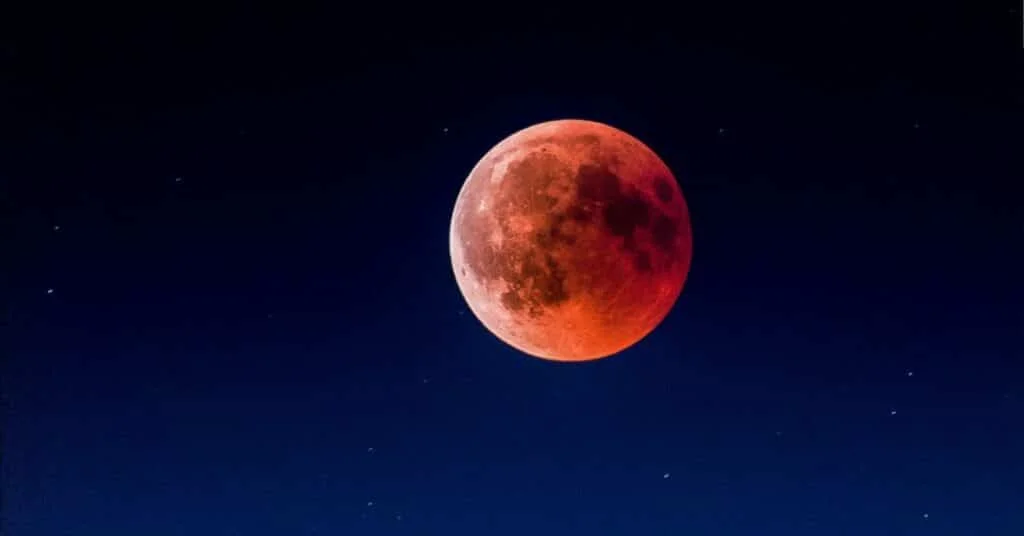

A spectacular astronomical event unfolded across Pakistan on the night of September 7–8, 2025, as a total lunar eclipse, popularly known as a “Blood Moon,” bathed the night sky in shades of red.
The country’s Space and Upper Atmosphere Research Commission (SUPARCO) documented the celestial wonder by capturing striking images from Quetta, where the phenomenon was visible in its entirety.
The eclipse began at 8:28 p.m. (PST), when the moon’s brilliance slowly started to dim as Earth’s shadow crept across its surface. At 9:27 p.m., the partial phase of the eclipse commenced, gradually darkening the moon until the much-anticipated total eclipse began at 10:31 p.m.
The spectacle reached its most dramatic point at 11:12 p.m., when the moon glowed with a deep crimson hue, a result of sunlight refracting through the Earth’s atmosphere. This reddish glow is what has earned the phenomenon its popular name, “Blood Moon.”
The total phase of the eclipse lasted until 11:53 p.m., after which the moon began to emerge from Earth’s umbra, marking the end of the total eclipse. The partial eclipse phase continued until 12:57 a.m., and the entire event concluded at 1:55 a.m. on September 8, as the moon returned to its normal brilliance.
While the eclipse was prominently visible across Pakistan, it was part of a larger global event seen in many regions of the world.
Large portions of Europe, Asia, Australia, and Africa were able to witness the lunar spectacle, though the visibility varied. Observers in Europe and Africa caught a partial eclipse during moonrise, while those in the Americas were unable to view the event due to the timing of moonset.
The September Blood Moon not only enthralled stargazers in Pakistan but also highlighted the universal fascination with such rare celestial occurrences, connecting skywatchers across continents under a shared moment of cosmic beauty.
