
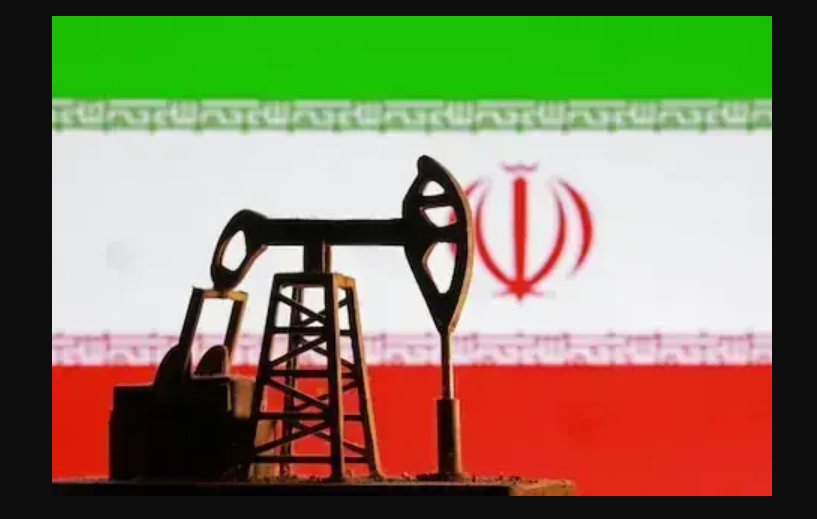

Global oil prices recorded a sharp decline ahead of upcoming US-Iran peace talks. The drop follows a temporary two-week ceasefire agreement.
This marks the biggest fall since tensions escalated earlier this year. As a result, markets reacted quickly to improving sentiment.
Brent crude for June delivery fell to $95.57 per barrel. Meanwhile, West Texas Intermediate for May stood at $96.99 per barrel.
Both benchmarks moved back into the mid-$90 range. Therefore, traders interpreted the ceasefire as a sign of reduced immediate risk.
Ceasefire Eases Supply Concerns
The decline came after Iran allowed safe passage through the Strait of Hormuz. This move aims to support stability during the ceasefire period.
The Strait remains a critical route for global oil shipments. Consequently, any disruption can quickly affect prices.
By ensuring temporary security, Iran helped ease fears of supply shortages. However, the relief may only be short-term.
Markets Remain Cautious Despite Relief
Although prices dropped, uncertainty still surrounds the situation. Analysts warn that the correction could reverse quickly.
If tensions rise again, oil prices may spike without warning. Therefore, traders continue to monitor developments closely.
Ongoing geopolitical risks still influence market behavior. As a result, volatility remains a key concern.
Supply Risks Continue to Influence Prices
Experts believe oil prices may stay above pre-conflict levels. Estimates suggest a range of $10 to $20 higher per barrel.
Several factors support this outlook. These include shipping risks, supply disruptions, and strategic stockpiling.
Moreover, concerns about vessel safety persist. Insurance costs and freight rates remain elevated due to uncertainty.
Shipping Disruptions Highlight Ongoing Challenges
A significant number of vessels remain stranded near the Strait of Hormuz. Reports indicate hundreds of oil tankers face delays.
In addition, several LPG and LNG carriers are also affected. This situation reflects the scale of disruption in global energy flows.
Therefore, even with a ceasefire, normal operations have not fully resumed.
Long-Term Concerns Over Regional Control
Analysts also question the long-term stability of shipping routes. Control over key passages remains a sensitive issue.
Regional producers may not accept prolonged disruptions. Consequently, future tensions could impact supply chains again.
This uncertainty continues to shape market expectations.
Alternative Supply Options May Ease Pressure
Meanwhile, rising US energy exports could help balance the market. Increased LNG capacity may offset some Middle East supply risks.
However, this shift will take time to influence global supply fully. Therefore, short-term volatility may persist.
In conclusion, the recent price drop reflects cautious optimism. While the ceasefire has eased immediate concerns, long-term risks still loom over global oil markets.

