

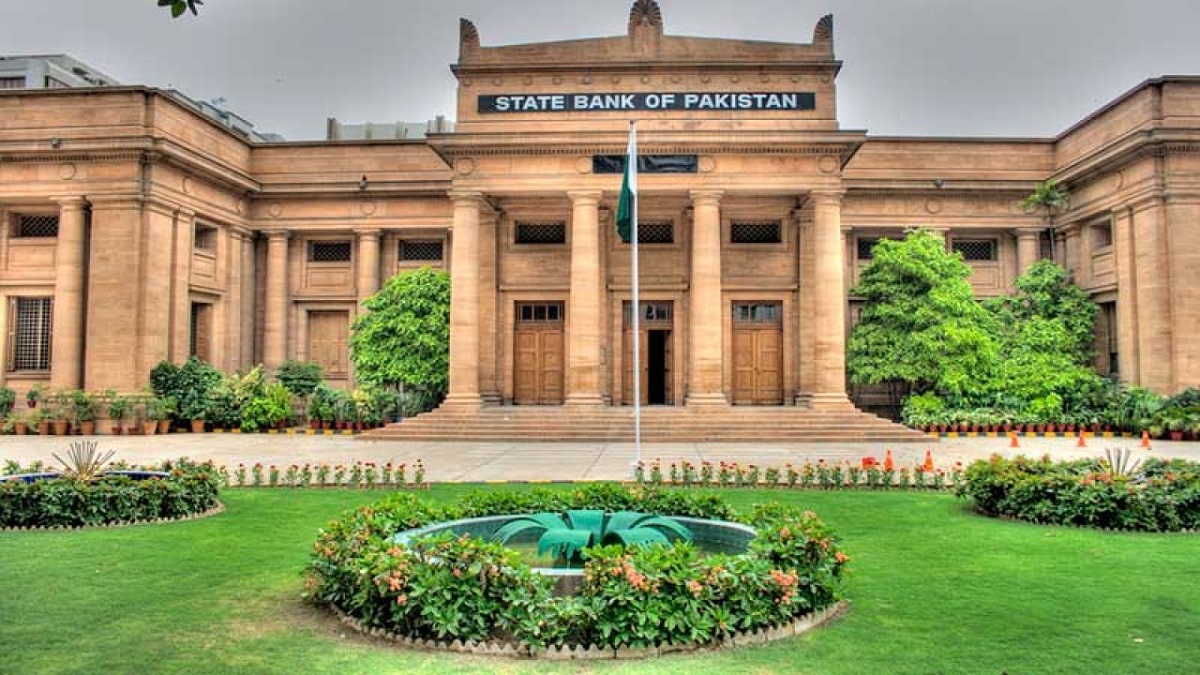

ISLAMABAD: In the first quarter of the current fiscal year (July-September), the State Bank of Pakistan (SBP) imposed fines on United Bank Limited (UBL), The Bank of Punjab (BoP), JS Bank Limited (JSBL), and Allied Bank Limited (ABL) for breaching banking regulations.
These four financial institutions incurred a collective fine of Rs83.157 million for non-compliance with the central bank’s guidelines on foreign exchange, customer due diligence, and general banking operations.
The SBP, in its enforcement action details posted on its website on Tuesday, disclosed that UBL received the highest fine of Rs26.500 million, followed by BoP (Rs21.569 million), JS Bank (Rs18.510 million), and ABL (Rs16.578 million). These penalties were imposed for violations related to know your customer and customer due diligence procedures, foreign exchange trading, and general banking activities.
In addition to the fines, the SBP has instructed these banks to enhance their systems and controls to prevent future regulatory breaches. It’s important to note that these penalties are a result of shortcomings in complying with regulatory instructions and do not reflect on the financial stability of these banks, as clarified by the SBP.
Notably, the government initiated investigations into allegations of currency manipulation by banks to boost their profits last year. However, the findings of the report and any subsequent penalties or actions taken against the banks were not publicly disclosed.
The banks faced challenges such as short forex liquidity, short net open forex positions, and increased currency volatility and uncertainty, which contributed to higher spreads.
Despite the economic challenges faced by the country in 2022, the banking industry demonstrated resilience, witnessing a robust 19.1% growth in its assets. This growth was primarily driven by investments, while advances decelerated, as reported in the SBP’s annual Financial Stability Review for 2022.
Furthermore, the Islamic banking segment also experienced substantial growth, with a notable increase of 29.6% during 2022.
ISLAMABAD: In the first quarter of the current fiscal year (July-September), the State Bank of Pakistan (SBP) imposed fines on United Bank Limited (UBL), The Bank of Punjab (BoP), JS Bank Limited (JSBL), and Allied Bank Limited (ABL) for breaching banking regulations.
These four financial institutions incurred a collective fine of Rs83.157 million for non-compliance with the central bank’s guidelines on foreign exchange, customer due diligence, and general banking operations.
The SBP, in its enforcement action details posted on its website on Tuesday, disclosed that UBL received the highest fine of Rs26.500 million, followed by BoP (Rs21.569 million), JS Bank (Rs18.510 million), and ABL (Rs16.578 million). These penalties were imposed for violations related to know your customer and customer due diligence procedures, foreign exchange trading, and general banking activities.
In addition to the fines, the SBP has instructed these banks to enhance their systems and controls to prevent future regulatory breaches. It’s important to note that these penalties are a result of shortcomings in complying with regulatory instructions and do not reflect on the financial stability of these banks, as clarified by the SBP.
Notably, the government initiated investigations into allegations of currency manipulation by banks to boost their profits last year. However, the findings of the report and any subsequent penalties or actions taken against the banks were not publicly disclosed.
The banks faced challenges such as short forex liquidity, short net open forex positions, and increased currency volatility and uncertainty, which contributed to higher spreads.
Despite the economic challenges faced by the country in 2022, the banking industry demonstrated resilience, witnessing a robust 19.1% growth in its assets. This growth was primarily driven by investments, while advances decelerated, as reported in the SBP’s annual Financial Stability Review for 2022.
Furthermore, the Islamic banking segment also experienced substantial growth, with a notable increase of 29.6% during 2022.
