

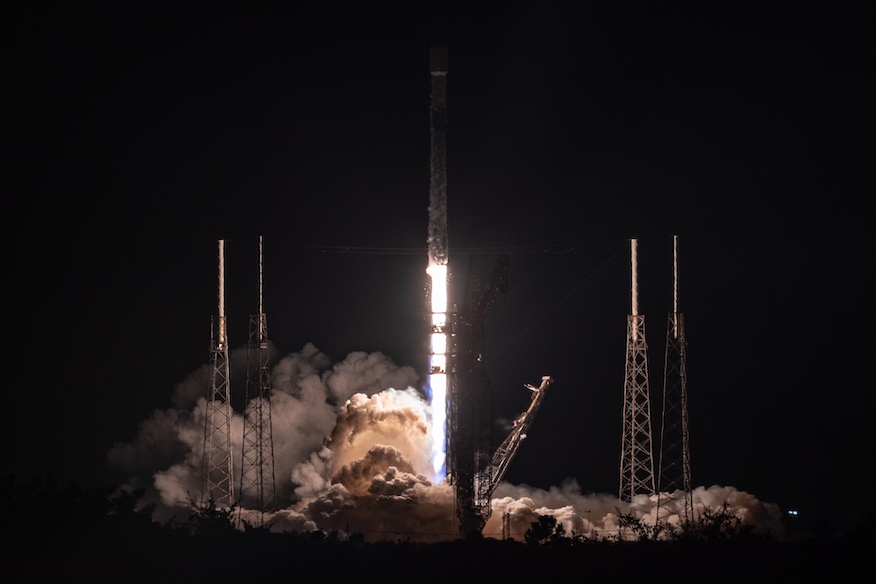

SpaceX’s Starship, an uncrewed spacecraft designed for moon missions and beyond, encountered another setback during its second test flight after the initial attempt resulted in an explosion.

The two-stage rocket launched from the Starbase site near Boca Chica, Texas, reaching an altitude of approximately 55 miles on a planned 90-minute flight.
However, the Super Heavy first stage booster, after separating from the core stage, exploded over the Gulf of Mexico.
Subsequently, SpaceX lost contact with the core Starship booster, which continued its ascent. Approximately eight minutes into the mission, a camera view suggested an explosion, indicating a potential failure around an altitude of 91 miles.
This launch was the second try for Starship atop its Super Heavy rocket booster, following an unsuccessful attempt in April. The goal was to test Starship’s capabilities by lifting off in Texas, entering space, and then splashing down off Hawaii’s coast.
The success of such tests is crucial for SpaceX’s broader ambitions, including supporting NASA’s Artemis program for human spaceflight and Musk’s vision of making life multi-planetary.
SpaceX emphasized the learning opportunity from this test, aiming to enhance Starship’s reliability for future endeavors. The company acknowledged that the core Starship stage’s engines fired for several minutes on its way to space.
Despite setbacks, SpaceX remains dedicated to advancing space travel capabilities with Starship, intending to eventually replace the Falcon 9 rocket for various missions. NASA, as a major SpaceX customer, is closely invested in the success of Starship for its Artemis program and future lunar missions.
IHC Clarifies Imran Khan’s Legal Peril: Potential Gallows And Constitutional Immunity Challenges
Meanwhile, in a detailed judgment issued on Saturday, the Islamabad High Court (IHC) dismissed Shah Mahmood Qureshi’s case, ruling that aiding a crime under the Official Secrets Act carries the maximum penalty and does not enjoy constitutional protection for remarks made in public gatherings (jalsas).
Chief Justice Aamer Farooq, in the 10-page order, clarified that Qureshi’s plea for immunity under Article 248 of the constitution, safeguarding actions during official duty, is not applicable to the cipher revelation during a public gathering.
