
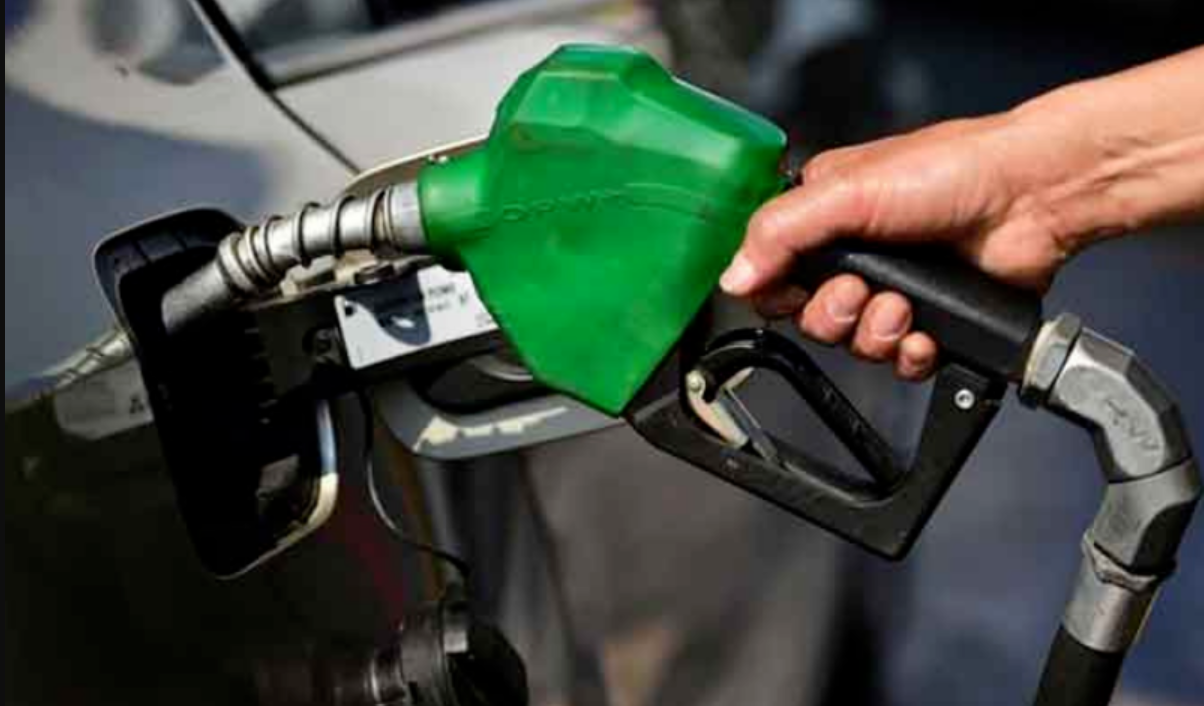

The Balochistan government has introduced a fixed retail price for Iranian petrol across the province. Authorities set the rate at Rs280 per litre, making it significantly cheaper than fuel sold elsewhere in Pakistan.
This price is nearly Rs180 lower than petrol available at regulated pumps in other provinces. As a result, the fuel has become one of the cheapest options currently available in South Asia.
Officials announced strict enforcement measures alongside the pricing decision. Anyone charging above the approved rate will face legal action.
Decision Taken to Control Rising Fuel Costs
The decision followed a high-level provincial meeting chaired by Chief Minister Mir Sarfraz Bugti. Officials reviewed rising fuel costs and discussed ways to provide relief to local consumers.
Authorities argued that federal pricing policies for imported petroleum should not influence Iranian petrol rates within Balochistan. Therefore, the provincial administration moved to regulate prices directly.
The measure aims to stabilise the local market and prevent sudden price hikes. Moreover, it seeks to protect residents from inflation linked to national fuel increases.
Cheapest Petrol in the Region
Under the new policy, Iranian petrol sold in Balochistan costs far less than fuel available in eastern parts of Pakistan. In many areas, regulated petrol prices exceed Rs450 per litre.
This sharp difference has drawn attention to the province’s unique fuel market dynamics. Iranian petrol, sourced through cross-border trade channels, remains more affordable than imported alternatives.
Consequently, consumers in Balochistan are expected to benefit from reduced transportation and daily commuting costs.
Strict Monitoring and Legal Action Announced
Provincial authorities have promised strict inspections to ensure compliance with the fixed rate. Enforcement teams will monitor fuel sellers and investigate complaints.
Officials confirmed that penalties will apply to traders who exceed the government-approved price. These measures aim to eliminate profiteering and restore market discipline.
Previously, some traders increased Iranian petrol prices between Rs300 and Rs360 per litre. This happened after nationwide fuel prices surged for licensed petroleum dealers.
However, the new regulation seeks to prevent similar increases in the future.
Fuel Restricted to Provincial Use
Another important component of the policy restricts Iranian petrol sales to within Balochistan. Authorities have prohibited transporting the fuel outside the province.
This restriction intends to prevent illegal resale in other regions where petrol prices remain significantly higher. Additionally, it helps ensure local availability for residents.
Officials believe controlled distribution will reduce shortages and maintain price stability across districts.
Balancing Relief and Regulation
The fixed pricing initiative reflects efforts to balance consumer relief with market regulation. While fuel affordability remains a major concern nationwide, provincial authorities aim to manage local realities differently.
Lower fuel prices may ease financial pressure on households and small businesses. At the same time, strict enforcement remains necessary to prevent misuse of the pricing system.
The policy signals a targeted approach to addressing regional economic challenges through controlled pricing mechanisms.
What It Means for Consumers
For residents, cheaper petrol offers immediate financial relief. Transportation costs may decline, and daily expenses could become more manageable.
However, authorities emphasise compliance with regulations to sustain these benefits. Continued monitoring will determine whether the pricing model remains effective over time.
As fuel prices continue to fluctuate nationally, Balochistan’s fixed-rate policy stands out as a unique attempt to shield consumers from rising energy costs.

