

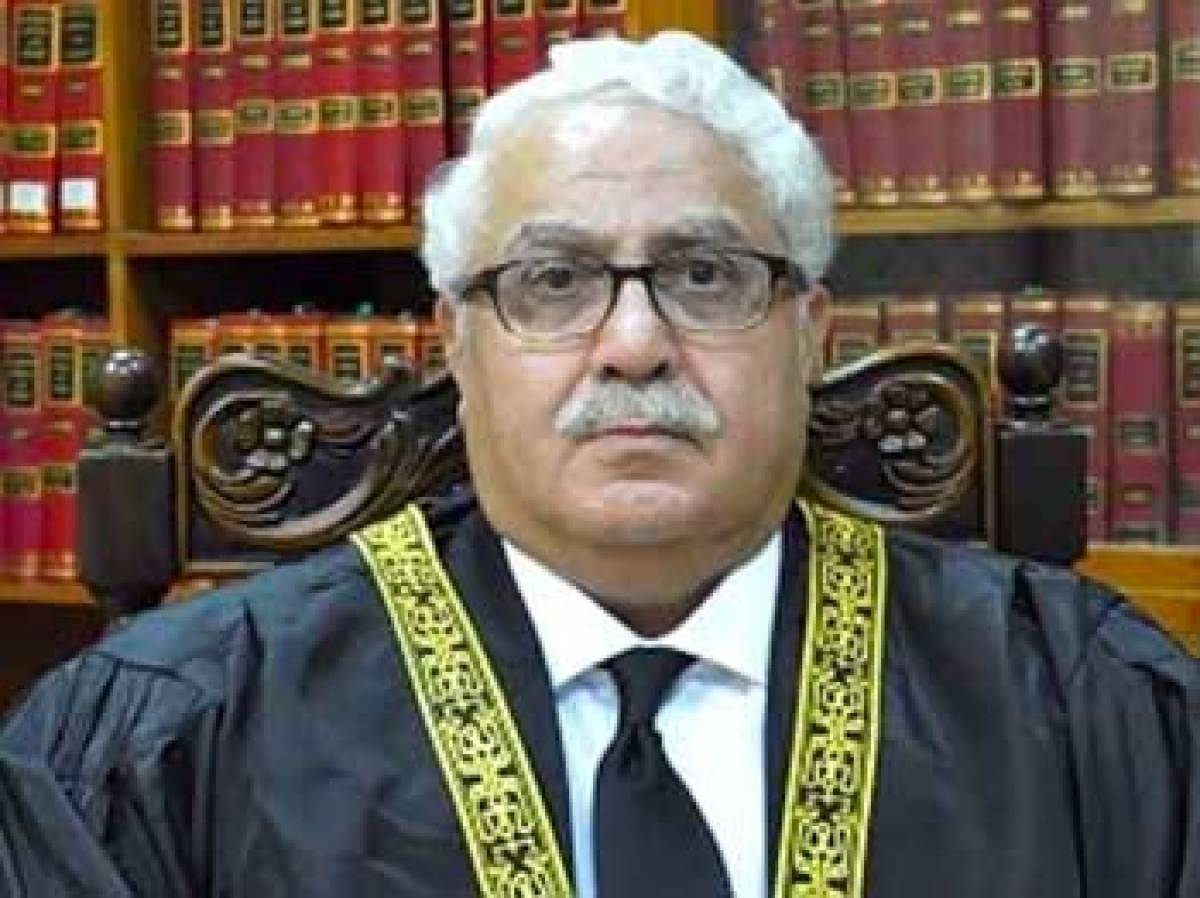

The Supreme Judicial Council (SJC) pronounced its verdict on Thursday regarding the former Supreme Court Justice, Mazahar Ali Akbar Naqvi, stating that he was guilty of misconduct and should have been dismissed from his position prior to his resignation. This decision followed an assessment of multiple allegations against Justice Naqvi.
In a surprising turn of events last month, Justice Naqvi resigned from his post amidst accusations of misconduct. His resignation was swiftly followed by the departure of Justice Ijazul Ahsan, prompting speculation about the circumstances surrounding their resignations.
In his resignation letter, Justice Naqvi referenced public knowledge and records, asserting that continuing to serve as a Supreme Court Judge was untenable given the prevailing circumstances and considerations of due process.
The SJC, headed by Chief Justice of Pakistan Qazi Faez Isa and composed of other distinguished members, concluded the misconduct proceedings against Justice Naqvi and reserved its opinion. The council meticulously reviewed six complaints in chronological order, determining that five of them lacked substantive evidence. However, in one instance, concerning a complaint against a Balochistan High Court Judge, the SJC issued a notice for a response within fourteen days.
Regarding Justice Naqvi’s case, the SJC found him guilty of misconduct and recommended his removal from the judiciary, in accordance with Article 209(6) of the Constitution.
This decision underscores the importance of upholding the integrity and ethical standards within the judiciary. The SJC’s thorough examination of the allegations demonstrates its commitment to ensuring accountability and transparency within the legal system.
The outcome of this case serves as a reminder of the responsibilities entrusted to judicial officials and the repercussions of misconduct within the judiciary. It also highlights the significance of due process and adherence to constitutional principles in maintaining public trust and confidence in the judiciary.
