
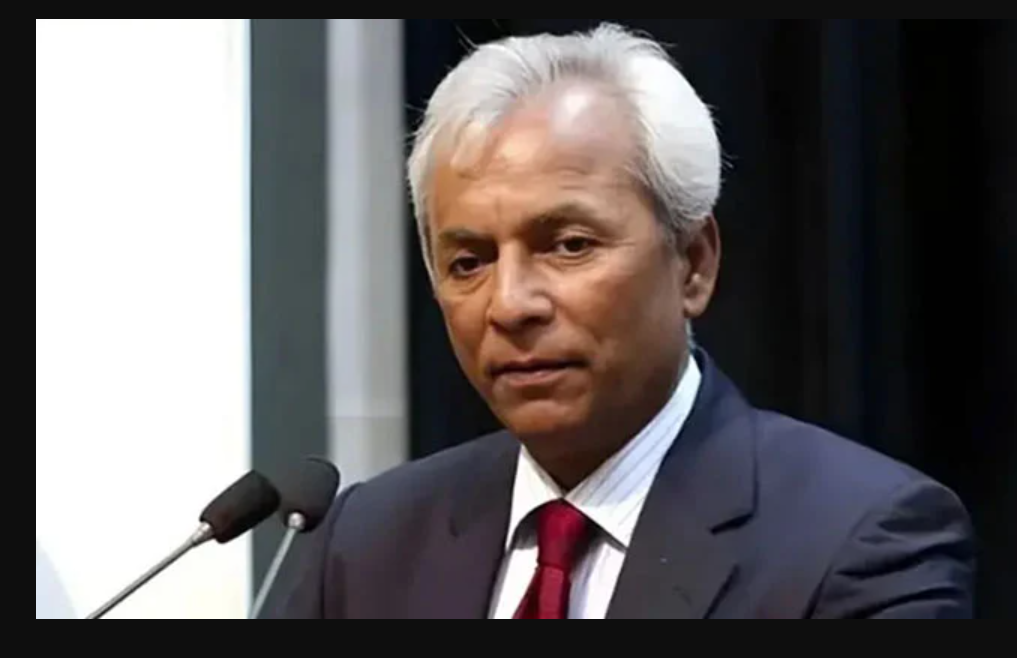

President Asif Ali Zardari has approved the appointment of senior politician Nihal Hashmi as the new Sindh governor.
The decision followed advice submitted by Prime Minister Shehbaz Sharif earlier the same day. Soon after approval, the development signaled an important administrative change in the province.
Nihal Hashmi will take oath before Sindh High Court Chief Justice Zafar Ahmed Rajput. The ceremony will formally mark the transition in Sindh’s gubernatorial leadership. Consequently, Hashmi will replace outgoing governor Kamran Khan Tessori.
Political Consultations Preceded Decision
The appointment came hours after the prime minister forwarded an official summary to the presidency. The leadership completed the process quickly, reflecting political consensus at the federal level. Earlier, Prime Minister Shehbaz Sharif met Hashmi in Islamabad and congratulated him on the nomination.
Speculation about a possible change in Sindh’s governorship had circulated for months. Reports suggested dissatisfaction within provincial political circles regarding the previous tenure. Therefore, discussions regarding a replacement had gradually intensified behind the scenes.
MQM-P Begins Internal Deliberations
Following the announcement, the Muttahida Qaumi Movement-Pakistan initiated internal consultations. Party leaders began reviewing the federal government’s decision and assessing its political implications. However, party representatives stated they were not taken into confidence before the appointment.
The party indicated that it would announce its official response after completing consultations. Leaders are expected to determine their future political strategy in light of the development. Meanwhile, discussions within the party leadership continue regarding the next course of action.
Nihal Hashmi’s Political Background
Nihal Hashmi belongs to Karachi’s Malir area and has longstanding ties with Pakistan Muslim League-Nawaz. He previously served as adviser to former prime minister Nawaz Sharif on law and justice. His advisory role spanned from 1997 to 1999, strengthening his position within party leadership.
Later, in 2012, Hashmi became president of the party’s Karachi chapter. Two years afterward, he was appointed general secretary of the party’s Sindh chapter. These roles expanded his organizational influence within provincial politics.
In 2015, Hashmi secured election to the Senate on a seat allocated to Punjab. Although his party membership was suspended in 2017, it was restored in 2021. Since then, he has remained active in party affairs and political engagement.
Political Implications for Sindh
The appointment introduces a new phase in Sindh’s political landscape. Observers believe the change could reshape coordination between federal and provincial leadership. At the same time, reactions from coalition partners may influence future political dynamics.
As the oath-taking approaches, attention now shifts toward governance priorities under the new governor. Political stakeholders will closely monitor how this transition affects administrative cooperation in Sindh.

