

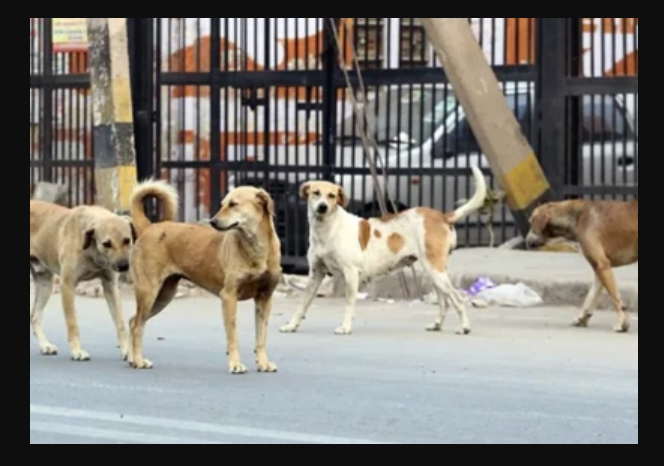

The Sindh government has decided to upgrade 300 rabies treatment and prevention centers across the province. The move aims to strengthen rabies control and improve patient care under the Rabies Control Program Sindh. Authorities want to ensure timely treatment access for affected communities.
Decision Taken at High-Level Meeting
The decision was made during a meeting chaired by Chief Secretary Sindh Asif Hyder Shah. Officials briefed the meeting on current challenges related to rabies prevention and response. They confirmed that rabies treatment facilities will be available every 10 to 15 kilometers across Sindh.
Province-Wide Upgradation Plan
All 300 rabies centers located in different districts will be upgraded in phases. The plan includes improved infrastructure, standardized treatment protocols, and better service delivery. As a result, patients will receive faster and more effective medical care.
Meanwhile, staff working under the rabies control program will undergo specialized training. This training will enhance technical expertise and clinical capacity. Consequently, treatment outcomes are expected to improve significantly.
Medicines, Vaccines, and Safety Measures
The Chief Secretary stated that the Sindh government has adopted a proactive approach to tackle rabies. Medicines and vaccines will be procured to ensure uninterrupted availability. Authorities aim to eliminate treatment delays that often increase fatality risks.
Awareness Campaign Across Sindh
In addition, the government will launch a province-wide awareness campaign. The campaign will educate citizens about the importance of immediate treatment after dog bites. Officials believe awareness can reduce preventable deaths caused by rabies.
Surge in Dog-Bite and Rabies Cases
The decision follows a sharp increase in dog-bite and rabies cases reported across Sindh. Hospitals have recorded a growing number of patients in recent weeks. In January alone, more than 3,400 dog-bite cases were reported in Karachi.
Moreover, Sindh recorded its first rabies-related death of 2026. These developments raised serious public health concerns. Therefore, authorities moved quickly to strengthen prevention and treatment systems.
Conclusion
Upgrading 300 rabies treatment centers marks a major step toward improving public health in Sindh. Expanded access, trained staff, and timely vaccines can save lives. However, public awareness and early treatment remain critical to controlling rabies effectively.
