

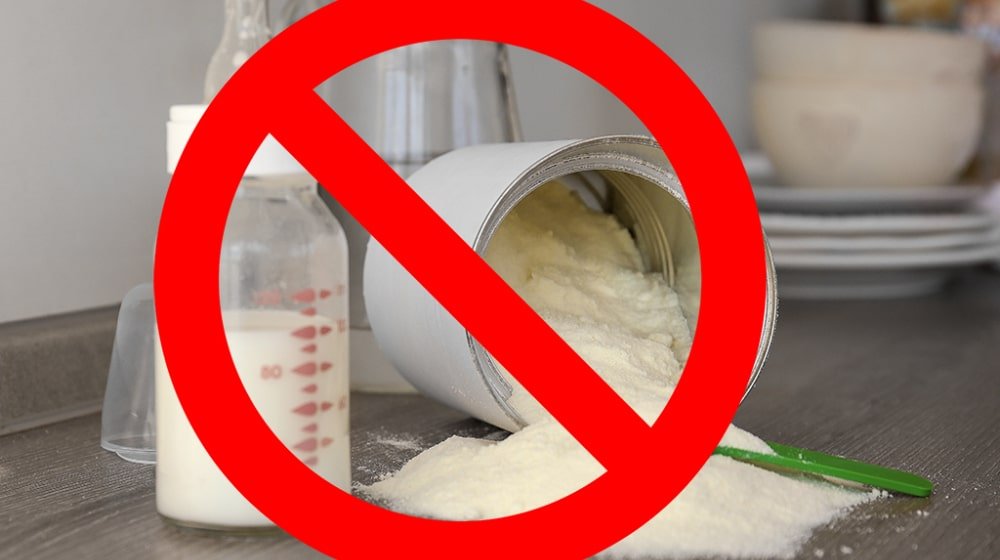

The Sindh government has enacted the Sindh Protection and Promotion of Breastfeeding and Child Nutrition Act, introducing stringent measures to regulate the sale and promotion of artificial formula milk. This landmark legislation aims to encourage breastfeeding and improve child nutrition across the province.
Under the new law, artificial formula milk cannot be sold without a valid doctor’s prescription. Violators face a fine of Rs500,000 and imprisonment for up to six months. Additionally, doctors are prohibited from prescribing formula milk without a justified medical reason. Failure to comply could result in license revocation and complaints lodged with the Infant Feeding Board.
During a press conference held at Karachi Press Club, leading pediatric experts, including Pakistan Paediatric Association President Prof. Masood Sadiq, Secretary Prof. Mohsina Ibrahim, and other senior pediatricians, emphasized the importance of the new regulations. Prof. Khalid Shafi highlighted that formula milk companies are now required to use the term “artificial formula milk” on packaging, eliminating misleading labels. These companies are also banned from direct or indirect marketing, sponsoring conferences, or engaging with doctors, with violations leading to fines and imprisonment.
The law also prohibits superstores and medical outlets from openly displaying formula milk. Violators face severe penalties, including fines and jail time. Moreover, healthcare professionals prescribing formula milk without valid reasons will face suspension of their memberships and action by the Infant Feeding Board.
The Sindh Healthcare Commission has been integrated into the Infant Feeding Board to ensure effective implementation of the law. Prof. Shafi noted that only 48.3% of mothers in Pakistan breastfeed their children, highlighting the need for such measures.
Initiatives like the Baby-Friendly Hospital Initiative (BFHI) will mandate exclusive breastfeeding for newborns in hospitals. Additionally, breastfeeding will be incorporated into educational curricula to promote awareness.
Experts stressed the numerous benefits of breastfeeding, including improved immunity, reduced risks of infections, and protection for mothers against breast cancer. The mortality rate of newborns in Pakistan remains high due to low breastfeeding rates, with 18 to 20 companies currently marketing artificial formula in the country.
