
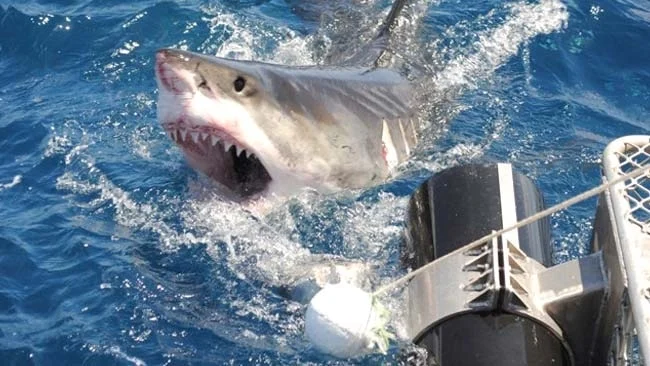

A morning swim turned fatal on South Africa’s southeastern coast after a shark attacked a 65-year-old woman at Orient Beach on Tuesday. Authorities closed nearby beaches and warned the public to remain out of the water following the deadly incident.
What Happened at Orient Beach?
The attack occurred at Orient Beach in KuGompo City, formerly known as East London. Witnesses and authorities confirmed that the woman died after suffering severe injuries while swimming.
Police received a call about the incident at approximately 7:00 am local time. When officers arrived, they found the body of a 65-year-old woman with “open wounds”.
Local media reported that the woman regularly swam at the beach and was part of a group when the attack occurred. A local community group also said other swimmers had noticed a shark’s tail and fin in the water.
“The victim sustained severe injuries to the right side of her arm and leg,” the group said in a Facebook post.
The municipality confirmed the incident and announced precautionary measures to protect beachgoers.
“It has been confirmed that a shark attack occurred at Orient Beach this morning, and this resulted in a tragic incident,” it said.
Authorities subsequently closed nearby beaches and urged people to stay out of the water while responding to the incident.
Are Fatal Shark Attacks Common in South Africa?
Fatal shark attacks remain uncommon worldwide, although South Africa has experienced deadly encounters along its extensive coastline. The latest incident has again drawn attention to the risks swimmers may face in coastal waters.
According to the University of Florida’s International Shark Attack File, researchers recorded 65 unprovoked shark bites worldwide in 2025. That figure increased from 47 in 2024.
The 2025 total included nine fatalities, with one recorded in South Africa. However, these figures cover reported unprovoked incidents and do not represent every possible interaction between sharks and humans.
Why Are Shark Encounters Occurring?
Researchers identify several factors that can influence encounters between sharks and people. These include growing coastal populations and increased human use of marine waters.
Environmental changes may also affect where sharks live and hunt. Furthermore, shifts in the distribution of sharks and their prey can influence where encounters occur.
However, these factors do not establish the cause of Tuesday’s attack. Authorities had not provided a specific explanation for why the shark approached the swimmers.
Beach Closures Follow Fatal Attack
The municipal response focused on keeping the public away from affected waters following the woman’s death. Beach closures and warnings aim to reduce further risks while authorities respond to the incident.
The tragedy also highlights the importance of following local safety instructions when swimming in coastal areas. For now, officials have urged the public to remain out of the water at nearby beaches.
The fatal attack has renewed attention to shark encounters along South Africa’s coastline, where environmental conditions and human activity can bring people and marine wildlife into contact.
For the latest updates, visit and follow The Truth International website (www.thetruthinternational.com) and subscribe to the YouTube Channel.