


May 9 Case
An Anti-Terrorism Court (ATC) on Tuesday delivered a significant verdict in the Sherpao Bridge arson and siege case, one of the most high-profile trials connected to the May 9, 2023 violence that erupted following the arrest of PTI founder Imran Khan.
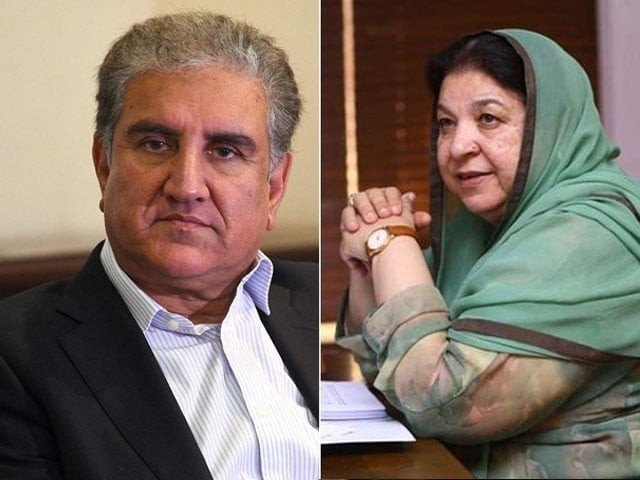
The court acquitted former Foreign Minister and senior PTI leader Shah Mehmood Qureshi along with several others, citing lack of evidence, while handing down severe prison sentences to other prominent party members.
The verdict was announced inside Kot Lakhpat Jail under tight security arrangements. According to court officials, Shah Mehmood Qureshi, along with Hamza Azeem and six co-accused, was cleared of all charges related to the violent protests that took place near Sherpao Bridge in Lahore.
The court ruled that the prosecution failed to establish their direct involvement in the acts of arson and rioting, leading to their acquittal.
In contrast, the court found nine other individuals guilty in the same case and sentenced them to 10 years of rigorous imprisonment each. Those convicted include senior PTI leaders Dr. Yasmin Rashid, Mian Mahmoodur Rasheed, Ejaz Chaudhry, Omar Sarfaraz Cheema, Khalid Qayyum, Riyaz Hussain, Ali Hassan, and Afzal Azeem. The judgment underscores a stark contrast in the outcomes for different accused, based largely on the evidence presented during the trial.
The trial, conducted within the jail premises due to security concerns, concluded on Monday with the recording of final statements from all accused, including Dr. Yasmin Rashid and Shah Mehmood Qureshi.
The case stemmed from an FIR lodged by Sarwar Road police station, with the prosecution alleging that the accused incited and participated in violent protests that resulted in the torching of public property and disruption of law and order near the strategic Sherpao Bridge.
The court’s decision marks a pivotal moment in the series of legal proceedings stemming from the May 9 unrest, highlighting both the limitations of the prosecution’s case against certain leaders and the judiciary’s determination to hold others accountable.
