

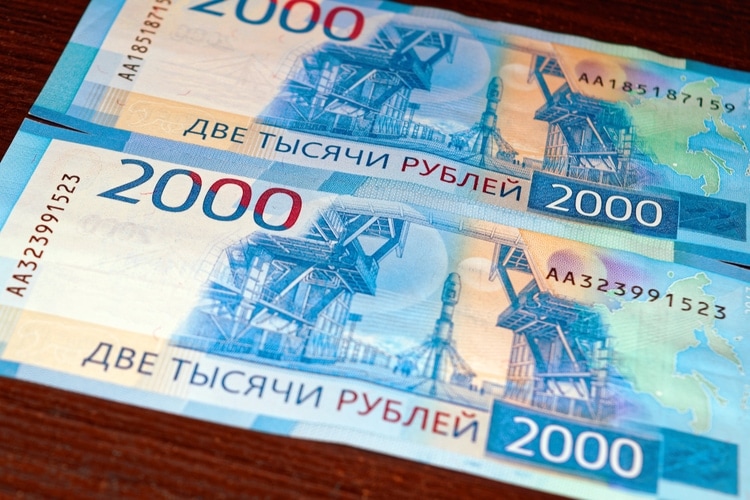

Starting January 1, 2025, at least 11 Russian regions will begin offering female students a payment of 100,000 rubles (just under $1,000) as an incentive for giving birth, according to a report by news outlet 7×7.
The policy is part of President Vladimir Putin’s effort to address Russia’s worsening demographic crisis, compounded by the ongoing war in Ukraine.
Key Details:
- New Incentives: The latest regions to adopt this policy include Tomsk and Altai in southern Siberia, joining others like Karelia, which first announced the initiative in July. Notably, the payments exclude cases of stillbirths.
- Eligibility Criteria: Requirements vary by region but generally mandate that recipients be full-time students aged 18–23 or 18–25 at the time of giving birth.
Broader Context:
- Demographic Decline: Russia is grappling with a declining birth rate, which hit its lowest point in 25 years, alongside rising mortality rates. These issues have been further exacerbated by the war in Ukraine, which has drained resources and taken a toll on the population.
- Government Push for Births: Russian authorities have implemented several measures to encourage childbirth, including banning “child-free” ideologies as extremist, outlawing abortion coercion, and increasing maternity payments. President Putin has also emphasized normalizing larger families with three or more children.
Concerns Raised:
- Reproductive Rights: Critics argue that the increasing pressure on women to have more children infringes on reproductive freedom. Policies like financial incentives for student mothers may be seen as coercive, particularly in the context of broader state rhetoric and restrictions.
This initiative reflects the Russian government’s urgent response to demographic challenges, though it continues to spark debate over its implications for personal freedoms and societal priorities.
