


Formation of the Federal Constitutional Court Underway
ISLAMABAD: As the 27th Constitutional Amendment moves smoothly through parliament, the federal government has initiated the process of establishing the Federal Constitutional Court (FCC) — a new judicial body aimed at handling constitutional interpretation and intergovernmental disputes. According to official sources, the government has shortlisted seven judges for the court’s inaugural bench, marking a significant step in the restructuring of Pakistan’s superior judiciary.
Justice Aminuddin Khan, currently heading the Supreme Court’s Constitutional Bench, is being considered for appointment as the Chief Justice of the FCC. Other names under consideration include Justice Syed Hasan Azhar Rizvi, Justice Musarrat Hilali, Justice Aamer Farooq, and Justice Ali Baqar Najafi from the Supreme Court; Justice K.K. Agha from the Sindh High Court; and Justice Rozi Khan Barrech, the sitting Chief Justice of the Balochistan High Court.
Sources confirmed that the initial strength of the FCC will be determined through a Presidential Order, while any expansion in the number of judges would require parliamentary approval. Under the proposed amendment, the President will appoint judges on the Prime Minister’s advice. The move, officials say, is part of a broader judicial reform plan to streamline the Supreme Court’s jurisdiction and improve the efficiency of constitutional adjudication.
Purpose, Structure, and Historical Context of the FCC
The idea of a separate constitutional court was first introduced in the 2006 Charter of Democracy, signed by the PPP and PML-N, to allow the Supreme Court to focus on appellate cases. Although the proposal resurfaced in the 26th Amendment draft, it was later dropped due to political opposition. The renewed plan under the 27th Amendment Bill sets the retirement age of FCC judges at 68 years, three years higher than that of Supreme Court justices, to ensure greater continuity and attract senior jurists.
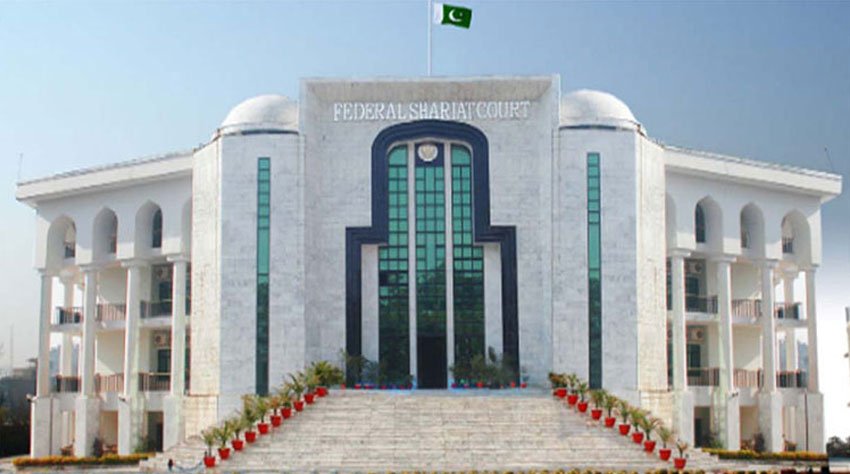
The new court will be housed in the current Federal Shariat Court building in Islamabad, while the Federal Shariat Court will relocate to the Islamabad High Court premises. This administrative move aims to clearly separate the FCC from existing superior courts, both symbolically and functionally. The FCC will hold exclusive jurisdiction over constitutional questions, including disputes between the federation and provinces, as well as the legality of constitutional amendments, presidential orders, and references from the Parliament or President.
Profiles of Shortlisted Judges
Justice Aminuddin Khan, born in Multan in 1960, is a second-generation lawyer who joined the Lahore High Court bench in 2011 and the Supreme Court in 2019.
Justice Syed Hasan Azhar Rizvi, born in Karachi in 1962, is known for his expertise in constitutional and administrative law and was elevated to the Supreme Court in 2023.
Justice Musarrat Hilali, the first woman Chief Justice of the Peshawar High Court, joined the Supreme Court in 2023 and is recognized for her advocacy on women’s rights.
Justice Aamer Farooq, former Chief Justice of the Islamabad High Court, became a Supreme Court judge in 2025 and specializes in constitutional and commercial law.
Justice Ali Baqar Najafi of the Lahore High Court has presided over more than 37,000 cases and led high-profile inquiries, including the 2014 Model Town investigation.
Justice Rozi Khan Barrech, Chief Justice of the Balochistan High Court since 2025, has a strong background in judicial administration.
Justice K.K. Agha of the Sindh High Court has international legal experience, having served with the UN Tribunal for the former Yugoslavia and the Special Court for Sierra Leone.
Once established, the Federal Constitutional Court is expected to enhance judicial independence, speed up constitutional rulings, and reduce the Supreme Court’s workload, marking a transformative development in Pakistan’s judicial landscape.
