

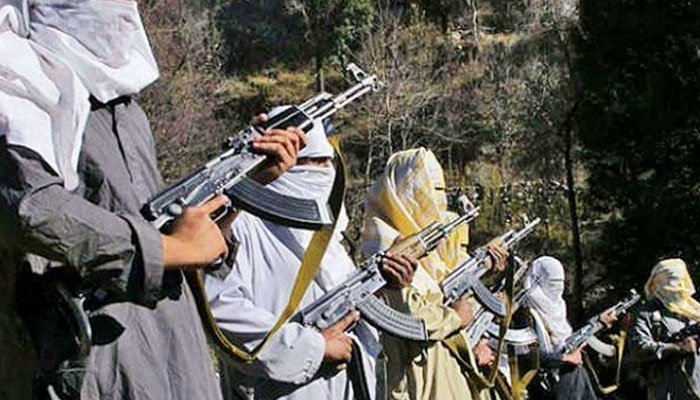

Muhammad Nabi Omari, a prominent figure within the Afghan Taliban serving as the deputy interior minister, has made a significant public appeal for peace negotiations between the Tehreek-i-Taliban Pakistan (TTP) and the Pakistani government.
Omari’s statement came during an iftar gathering in Khost, where he urged both parties to engage in dialogue to resolve the longstanding conflict. This public advocacy for direct talks marks a notable shift from past efforts by the Afghan Taliban to privately facilitate such discussions.
Despite consistent denials by the Afghan Taliban regarding accusations of the TTP’s presence on Afghan soil, tensions between Pakistan and Afghanistan have escalated, particularly following retaliatory airstrikes by Pakistan after the death of its soldiers in North Waziristan.
Omari emphasized the devastating impact of conflict, highlighting its toll on families, economies, and nations. While dismissing claims of Al-Qaeda’s presence in Afghanistan, he refrained from addressing the TTP’s activities within the country.
Furthermore, Omari cautioned both Islamabad and the TTP, suggesting that neither side could secure a decisive victory in the conflict. He drew upon the Afghan Taliban’s experience, underscoring the importance of popular support and hinting at possible shortcomings in the TTP’s backing among the Pakistani populace.
Interestingly, Omari’s public statement contrasts with the Kabul leadership’s prior reluctance to openly discuss this sensitive issue. Pakistan’s policy has been to avoid direct negotiations with the TTP, instead urging action from the Afghan interim government under the terms of the Doha agreement.

Additionally, the revelation that Pakistan possesses evidence implicating the TTP in the killing of Chinese workers in Besham adds complexity to the situation, potentially straining diplomatic relations with China.
Omari’s remarks signal a potential shift in dynamics, offering hope for renewed efforts towards peace talks between the TTP and Pakistan, although challenges and complexities persist.
