


Scientists have uncovered a potential molecular blueprint for rejuvenating aging cells, a discovery that could one day help counter the decline in tissue repair associated with growing older. In a new study published in PNAS, researchers from the University of California, San Francisco, identified four key transcription factors that appear to restore youthful behaviour in aged cells.
As the body ages, many essential processes slow down, including the ability of tissues to regenerate and heal. The research team focused on transcription factors — proteins that regulate gene activity — and found that adjusting the levels of four specific ones can reverse several cellular markers of aging.
In experiments on elderly mice, increasing the production of one transcription factor in liver cells led to striking improvements. Fat accumulation and scarring in the liver were significantly reduced, while glucose tolerance improved, all indicators of healthier, more youthful tissue.
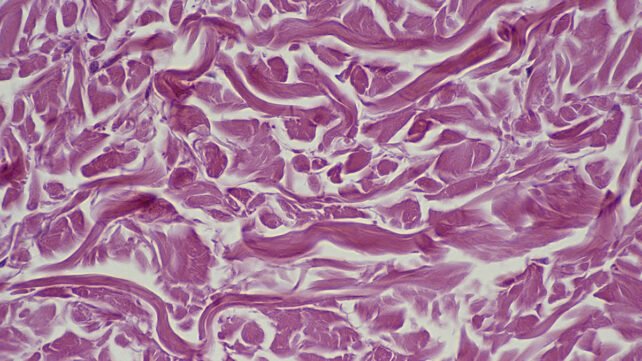
Similar results were observed in human fibroblast cells grown in the laboratory. Fibroblasts are connective tissue cells that play a crucial role in structural support and repair throughout the body.
When researchers altered the levels of all four transcription factors in these human cells, the fibroblasts showed increased cell division, higher energy production, and other hallmarks of youth. “By altering gene expression using the transcription factors we identified, old fibroblasts behaved as if they were younger,” said biochemist Hao Li, one of the study’s authors.
To pinpoint these factors, the team first compared gene expression in young and old human fibroblasts using computational models. From an initial list of about 200 candidates, they narrowed the field down to four: E2F3, EZH2, STAT3, and ZFX. Adjusting these factors shifted both mouse liver cells and human fibroblasts toward a more youthful state.
The fact that the same factors worked across species and cell types suggests a shared biological mechanism for cellular rejuvenation. However, researchers caution that the work is still in its early stages. Long-term safety remains unknown, particularly since excessive activity of some factors, such as EZH2, has been linked to cancer.
Despite these uncertainties, scientists say the findings open promising avenues for treating age-related diseases and improving health as populations continue to age.
