

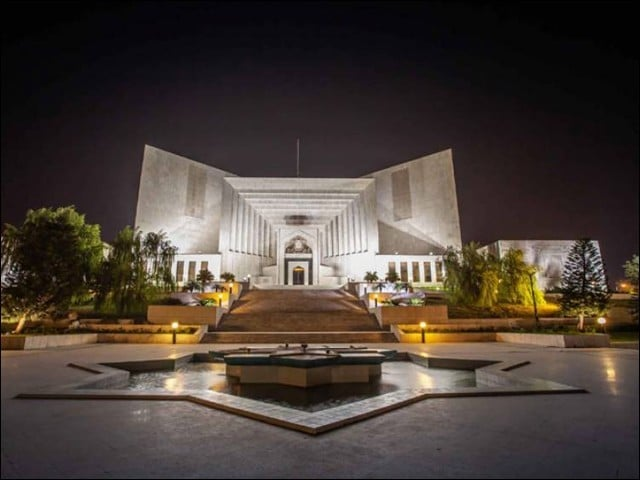

ISLAMABAD: On Monday, the Supreme Court of Pakistan (SC) overturned Lahore High Court (LHC) judgment that deemed the collection of fuel price adjustments (FPA) on monthly electricity bills illegal.
The apex court, led by Chief Justice Qazi Faez Isa, declared the LHC’s ruling as “impractical both constitutionally and legally.” The SC pointed out that the National Electric Power Regulatory Authority’s (Nepra) appellate tribunal is the appropriate authority to handle this complex matter, rather than the LHC.
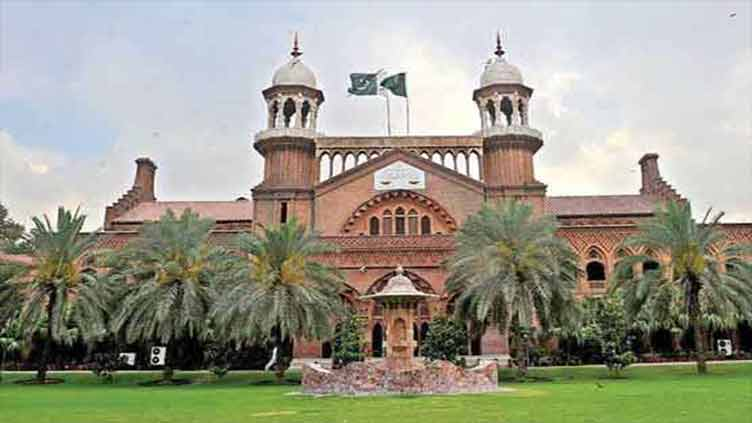
The three-member bench directed the petitioners to file an appeal before the Nepra Appellate Tribunal within the next 10 days. It instructed the tribunal to expedite the hearing and make a decision within the statutory time frame.
This decision came in response to an appeal filed by power distribution companies (Discos) challenging the LHC’s ruling. During the proceedings, advocate Salman Akram Raja, representing the Discos, argued that the formation of Nepra itself was unconstitutional when the fuel price adjustment initiated in May 2022.
During a hearing, Chief Justice Isa raised concerns about the argument presented. He emphasized that any constitutional issues regarding the formation of Nepra need separate addresses. Justice Athar Minallah pointed out courts do not have jurisdiction over the technical matters of Nepra. The Lahore High Court’s decision was overstepping its jurisdiction in this context.
The attorney general confirmed that both Nepra and Discos are open to resolving the matter through the appropriate tribunal.
The Supreme Court also directed that the outstanding dues from companies and industries following LHC’s initial decision will now be subject to the Nepra Appellate Tribunal’s verdict.
The Verdict
In February, the Lahore High Court ruled that the inclusion of fuel price adjustments (FPA) charges in electricity bills was illegal. The court stated that the request for FPA, quarter tariff adjustment, and the switch from industrial to commercial tariff status by Nepra were not fully authorized under section 3 of the NEPRA Act, 1997.
LHC’s Justice Ali Baqar Najafi had disposed of over 3,000 petitions challenging Nepra’s mandate and directed Nepra not to charge tariffs beyond the paying capacity of domestic consumers. He also instructed Nepra to provide maximum subsidies to domestic consumers consuming up to 500 units per month.
