
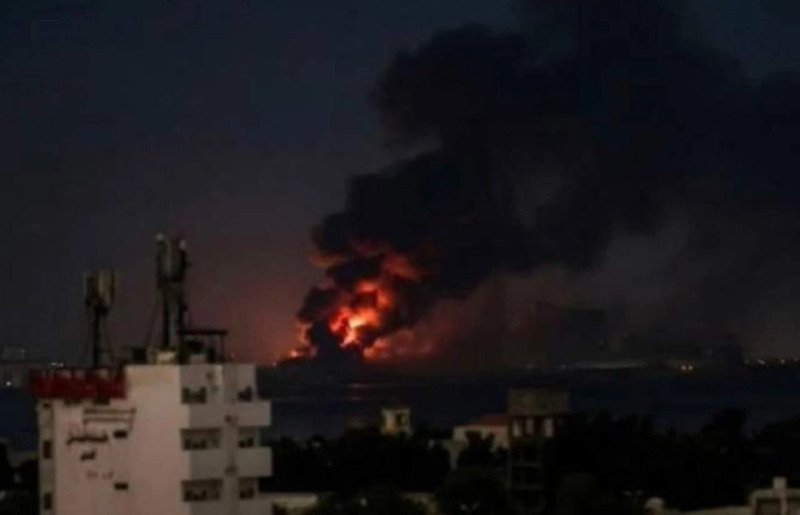

Saudi-led coalition forces launched airstrikes against Houthi military sites in western Yemen. The operation followed attacks targeting Saudi-linked commercial shipping in the Red Sea.
Coalition spokesman Major General Turki Al-Malki confirmed the strikes on Saturday. He described the operation as a proportionate response against legitimate Houthi military targets.
The strikes targeted locations in Hodeidah governorate, including military facilities. Meanwhile, the Houthis launched a missile attack on a Saudi city.
The Iran-backed group had earlier threatened Saudi vessels over its maritime blockade. It also claimed responsibility for attacks on two Saudi-linked ships this week.
Coalition Vows To Protect Maritime Navigation
A Yemeni security source said coalition forces targeted a naval base in Hodeidah. Military positions on Kamaran Island also came under attack.
However, Al-Malki said coalition forces avoided targeting Yemeni ports and airports. Therefore, commercial shipping and air traffic could continue without disruption.
He added that Hodeidah, Ras Issa, and Salif ports remain open. Moreover, the coalition accused the Houthis of obstructing operations at Sanaa International Airport.
Saudi officials pledged further action if attacks continue against commercial vessels. They stressed protecting maritime security and Saudi national interests.
Houthi Escalation Raises Regional Security Concerns
Houthi officials described the coalition strikes as the beginning of further escalation. Additionally, Houthi-run media reported two civilians suffered injuries during the attacks.
Saudi authorities confirmed one recent attack damaged the Saudi-owned vessel NCC MASA. Nevertheless, the ship resumed its voyage after sustaining minor hull damage.
The renewed confrontation threatens the fragile truce largely observed since 2022. Meanwhile, Saudi Arabia continues supporting diplomatic efforts to achieve lasting peace in Yemen.
Saudi officials accused the Houthis of serving foreign interests through continued violence. Consequently, regional concerns over shipping security and stability continue growing.

