
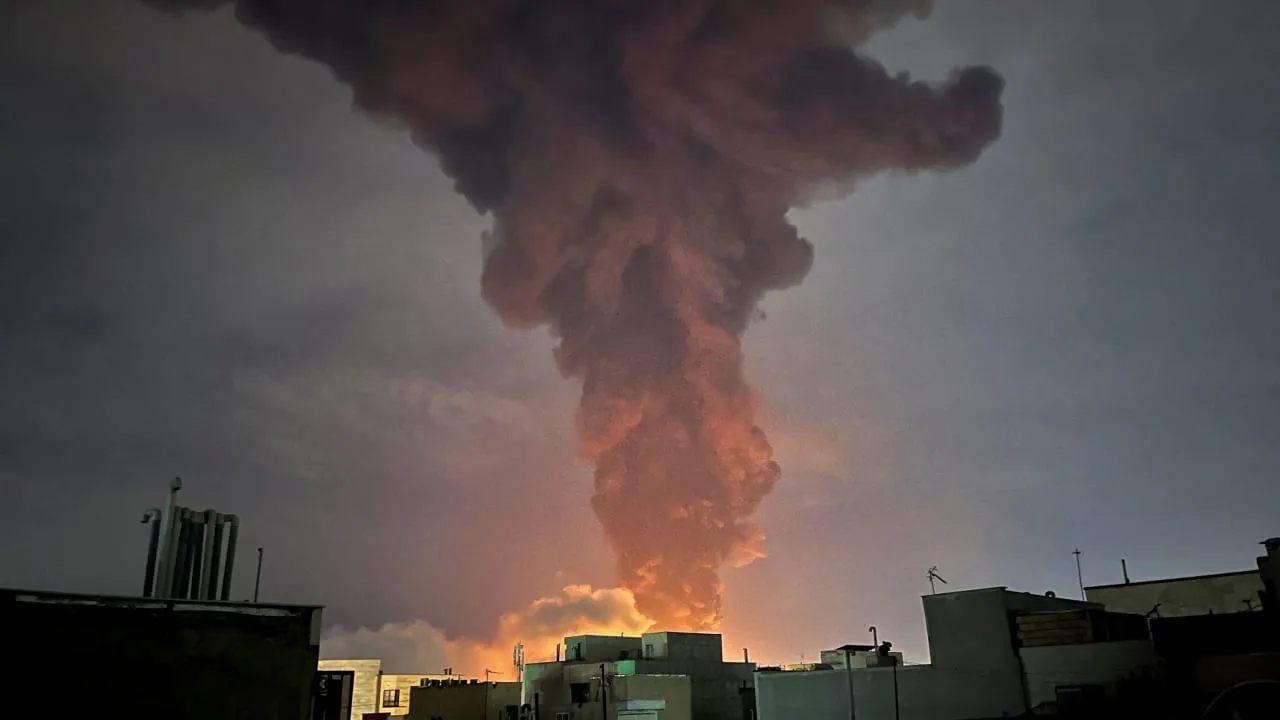

Riyadh Responded After Iranian Attacks Intensified Across Gulf
Saudi Arabia launched covert airstrikes inside Iran in late March after Iranian missiles and drones targeted the kingdom during the wider Middle East conflict, according to Western and Iranian officials. The previously undisclosed attacks marked the first known direct Saudi military action on Iranian soil.
Western officials said the Saudi Air Force carried out the “tit-for-tat” strikes after repeated attacks hit Saudi territory, including airports, oil infrastructure, and civilian locations. However, officials did not disclose the exact Iranian targets.
Meanwhile, Saudi Arabia avoided publicly acknowledging the operation. A senior Saudi foreign ministry official instead reiterated Riyadh’s support for “de-escalation, self-restraint and the reduction of tensions” to preserve regional stability.
The conflict expanded significantly after US and Israeli strikes on Iran began on February 28. Subsequently, Iran launched missile and drone attacks against all six Gulf Cooperation Council states and disrupted maritime trade by closing the Strait of Hormuz.
Diplomatic Engagement Reduced Regional Escalation Risks
Despite the retaliatory strikes, Saudi Arabia maintained diplomatic communication with Tehran. Iranian and Western officials confirmed both countries later reached an informal understanding aimed at reducing tensions and preventing broader regional escalation.
According to officials, Saudi Arabia warned Iran that further attacks would trigger stronger retaliation similar to the United Arab Emirates’ more aggressive military posture. Consequently, Iran reportedly scaled back direct attacks on Saudi territory.
The de-escalation understanding emerged shortly before Washington and Tehran agreed to a ceasefire on April 7. Analysts said both rivals recognized that prolonged confrontation carried unacceptable economic and security costs.
Although tensions persisted, missile and drone attacks on Saudi Arabia sharply declined in early April. Nevertheless, Riyadh continued monitoring threats from Iran-backed groups operating in Iraq and elsewhere across the region.

