
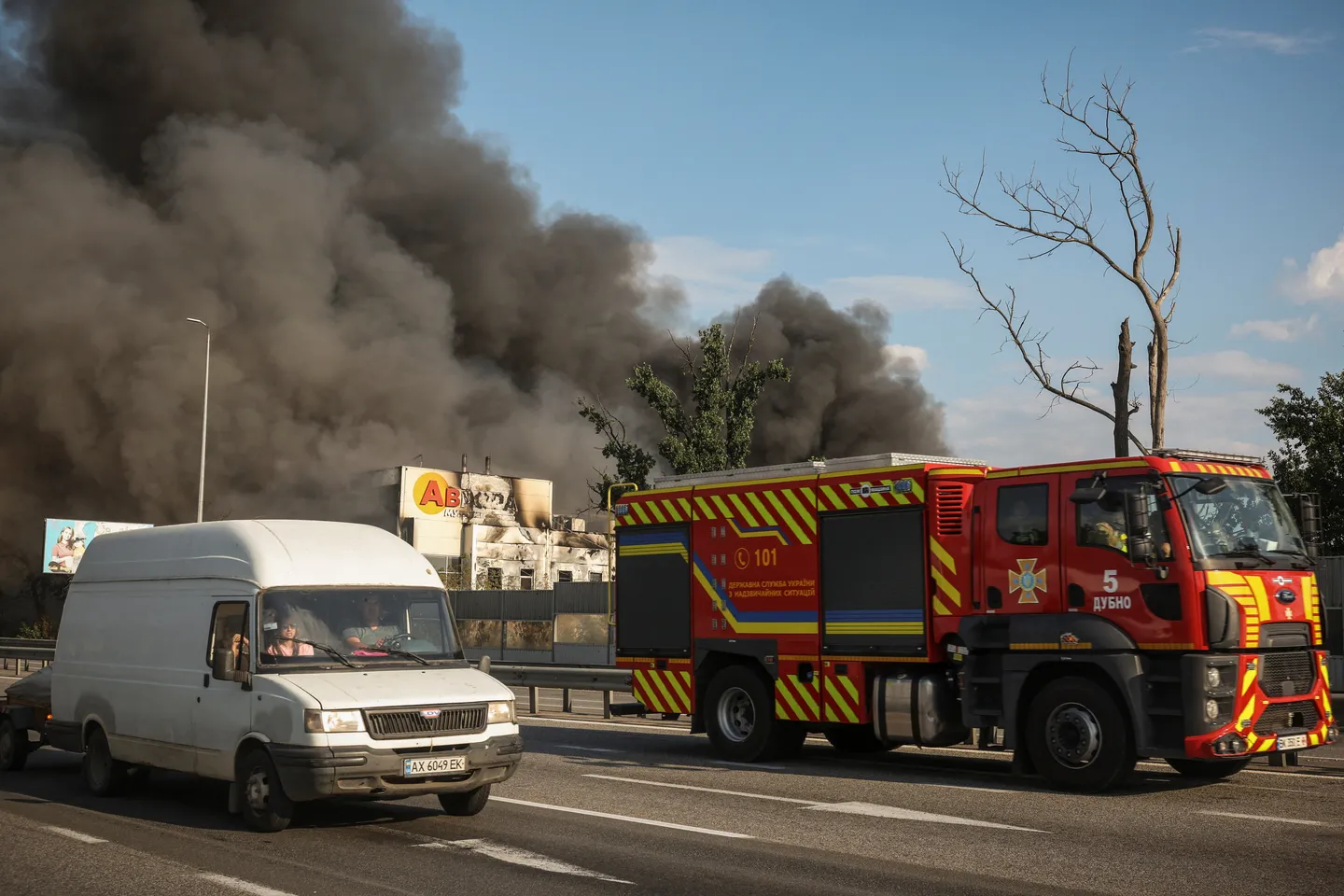

KYIV: A large-scale Russian missile and drone attack on Ukraine’s capital and surrounding areas killed at least four people and injured more than a dozen others, Ukrainian officials said, as authorities tightened security ahead of the new school term.
Kyiv regional military administration chief Tymur Tkachenko said Russian missiles and strike drones targeted the region overnight.
Authorities reported three deaths and five injuries in Kyiv. Meanwhile, strikes in Boryspil, east of the capital, damaged a commercial facility, killing one person and wounding another.
Additionally, eight people suffered injuries when a residential building came under attack.
Ukraine Warns of Continued Ballistic Missile Threat
The Ukrainian Air Force warned residents that the threat from ballistic weapons and other aerial attacks remained active, urging people to stay inside shelters.
Moreover, authorities banned large gatherings in high-risk areas as children prepared to return to school following the summer holidays.
Kyiv has faced sustained pressure from Russian aerial attacks, with jet-powered drones reportedly triggering as many as a dozen air-raid warnings daily.
A separate weekend strike on an ammunition depot in the capital’s suburbs killed 38 people.
Air Defences Face Growing Pressure Amid Intensified Strikes
Meanwhile, Russia and Ukraine have intensified long-range attacks targeting warehouses, commercial facilities, ports and energy infrastructure.
Ukraine continues to face shortages of interceptor missiles, particularly US-made Patriot systems used to counter ballistic missile threats.
Separately, Ukrainian forces carried out an aerial attack on Russia’s Samara region along the Volga River, according to Russian officials.
Regional Governor Vyacheslav Fedorishchev said the attack damaged civilian facilities but caused no initial fatalities.
The region hosts major Russian oil refineries, making it strategically important to Moscow’s energy sector.
Consequently, the latest exchanges underline the continuing escalation of long-range attacks as both countries increasingly target infrastructure far behind the front lines.

