

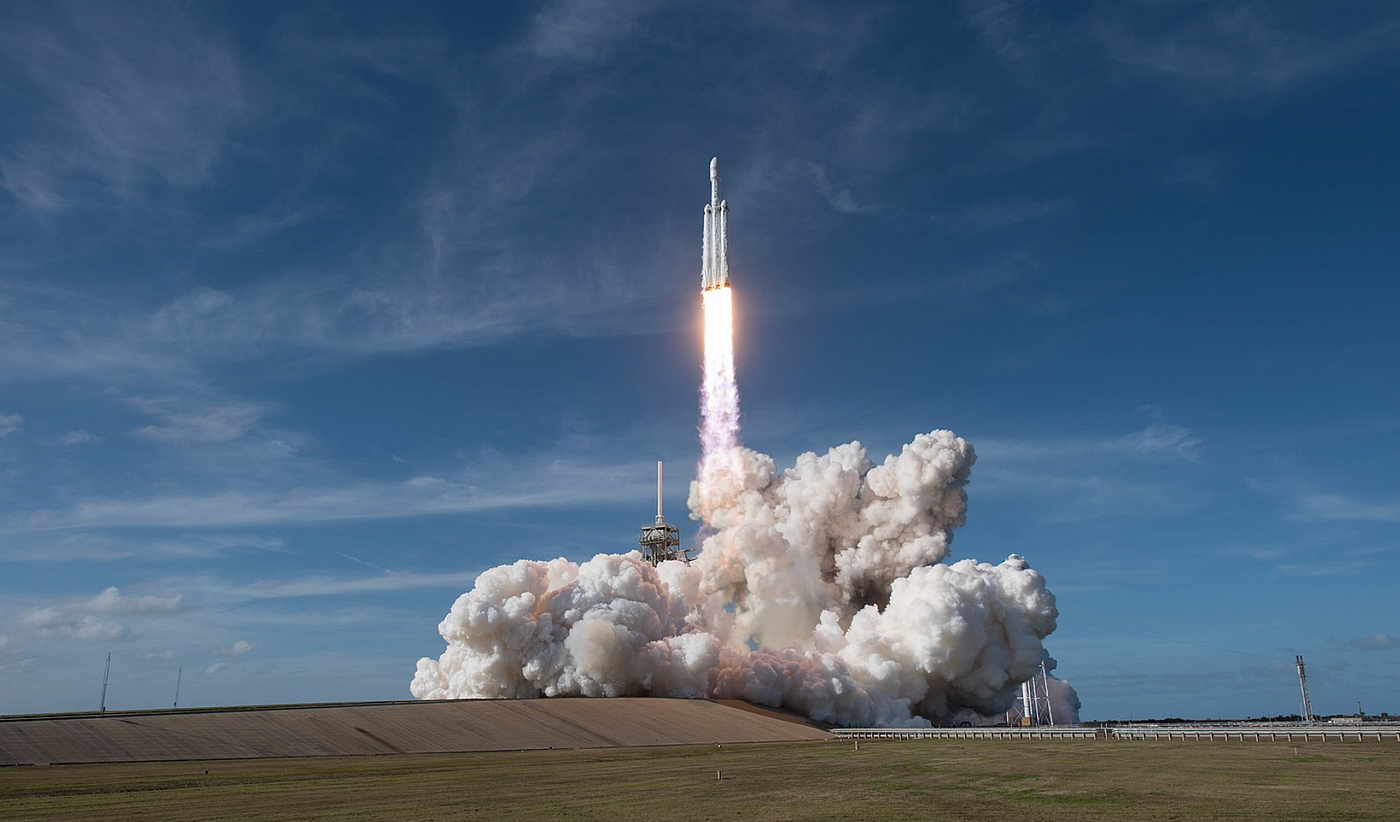

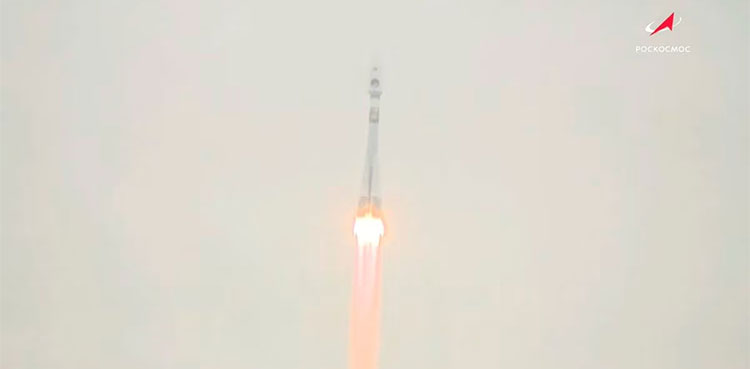
MOSCOW: After a hiatus of 47 years, Russia has successfully launched its first moon-landing spacecraft, Luna-25, with the aim of achieving a soft landing on the lunar south pole. This region is believed to contain valuable deposits of water ice.
The Luna-25 craft, carried by a Soyuz 2.1v rocket, took off from the Vostochny cosmodrome, located 5,550 km east of Moscow. The craft’s upper stage later propelled it out of Earth’s orbit towards the moon. The lander is anticipated to touch down on the moon’s surface around August 21.
The primary objective of the Luna-25 mission is to operate on the moon’s south pole for approximately a year. This region has been of interest due to the presence of water ice detected by space agencies such as NASA.
The mission holds substantial significance for Russia. The mission’s primary goal is to highlight the country’s space capabilities and autonomy. This emphasis becomes particularly significant in the wake of its conflict with Ukraine and the ensuing Western sanctions.
Russia’s lunar mission is in direct rivalry with India, which has recently initiated its Chandrayaan-3 lunar lander project. Additionally, Russia is competing against the United States and China, both of which are pursuing ambitious lunar exploration programs aimed at the lunar south pole.
Russia’s history with lunar exploration dates back to the 1959 Luna-2 mission, which marked the first spacecraft to reach the moon’s surface. Similarly, the Luna-9 mission in 1966 achieved the first soft landing. Following these achievements, Russia turned its focus toward exploring Mars. Since the fall of the Soviet Union in 1991, Russia has not ventured beyond Earth’s orbit with scientific probes.
Search for moon water
Several major countries, including the United States, China, India, Japan, and the European Union, have undertaken lunar exploration in recent times. Despite these efforts, no nation has successfully executed a soft landing on the moon’s south pole, a region of significant interest due to its potential water ice deposits.
Japan’s lunar landing attempt failed in the previous year, while an Israeli mission faced a similar outcome in 2019. India’s Chandrayaan-2 mission also experienced failure in 2019. The challenging terrain of the lunar south pole makes landing there a complex task.
The potential rewards of discovering water ice are substantial. Water could be utilized for various purposes, including fuel extraction, oxygen production, and as a source of drinking water.
Maxim Litvak, head of the planning group for the Luna-25 scientific equipment, highlighted the importance of landing in unexplored areas. He stated that signs of ice have been detected in the soil of the designated landing zone for Luna-25 based on-orbit data. The spacecraft, Luna-25, is expected to operate on the moon for at least a year.
Russia’s space agency, Roscosmos, indicated that the journey to the moon would take approximately five days. After spending 5-7 days in lunar orbit, the craft will descend to one of three potential landing sites. This timeline suggests that Luna-25 could match or narrowly beat its Indian counterpart, Chandrayaan-3, to the moon’s surface. Chandrayaan-3 is anticipated to carry out experiments for a two-week period.
Weighing 1.8 tons and equipped with 31 kg (68 pounds) of scientific instruments, Luna-25 will employ a scoop mechanism to gather rock samples from depths of up to 15 cm (6 inches) to ascertain the presence of frozen water.
