
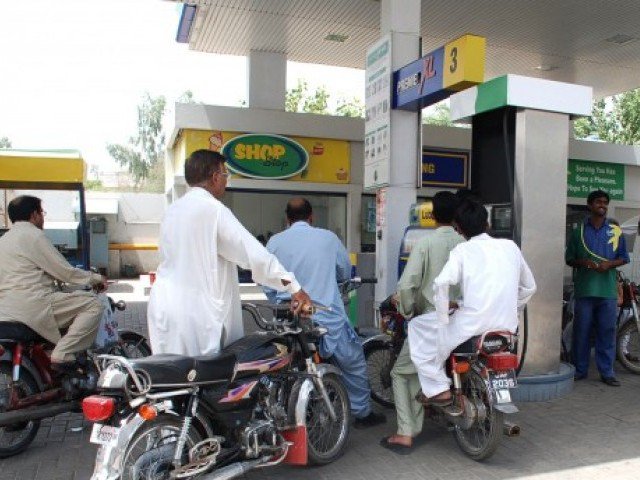

The government has announced a targeted fuel subsidy aimed at supporting motorcyclists facing rising petroleum prices. The initiative focuses on providing relief to low-income commuters who rely heavily on motorcycles for daily transportation.
Under the new policy, eligible motorcyclists will receive a subsidy of Rs100 per litre of fuel. However, the benefit will apply only within a fixed monthly limit to ensure controlled distribution.
Officials stated that the program intends to reduce financial pressure on households affected by increasing fuel expenses. As fuel costs rise, daily commuting has become more challenging for many citizens. Therefore, authorities introduced this measure to offer immediate assistance.
Monthly Limit Set for Subsidy Benefits
According to the announced plan, each registered motorcyclist can receive subsidised fuel for up to 20 litres per month. This cap aims to prioritise essential travel needs rather than excessive consumption.
The subsidy targets individuals who depend on motorcycles for work, education, and routine mobility. Consequently, the scheme focuses on practical relief instead of broad market intervention.
Policymakers believe the controlled limit will help manage fiscal costs while ensuring fairness. Moreover, the structured approach allows authorities to monitor usage effectively.
Petrol and Diesel Prices See Major Increase
The subsidy announcement comes alongside a significant increase in petroleum prices. Officials confirmed that petrol prices have been revised upward, reflecting changing economic pressures.
The new petrol price stands at Rs458.40 per litre after an increase of Rs137.23 per litre. Similarly, high-speed diesel prices have risen sharply.
Diesel now costs Rs520.35 per litre, marking an increase of Rs184.49 per litre. These adjustments represent one of the largest price revisions in recent months.
Rising global energy costs and domestic financial considerations contributed to the decision. As a result, transportation expenses across sectors are expected to increase.
Relief Measure Targets Everyday Commuters
Motorcycle users form a large portion of Pakistan’s daily commuters. Many workers rely on two-wheelers due to affordability and fuel efficiency. Therefore, rising petrol prices directly affect their monthly budgets.
The government designed the subsidy to shield vulnerable groups from sudden economic shocks. By offering partial compensation, officials hope to stabilise commuting costs for ordinary citizens.
Additionally, targeted relief helps avoid broader subsidies that may strain public finances. This approach balances fiscal responsibility with social support.
Economic Context Behind the Decision
Fuel pricing remains closely tied to broader economic conditions. Changes in international oil markets and domestic financial requirements often influence local price adjustments.
While price increases aim to address economic realities, they also create immediate challenges for consumers. Consequently, relief programs become necessary to maintain affordability for essential travel.
Authorities emphasised that the subsidy focuses on practical assistance rather than long-term price control. The measure serves as short-term relief during a period of elevated fuel costs.
What the Subsidy Means for Riders
For many motorcyclists, the Rs100 per litre subsidy could significantly reduce monthly fuel expenses. Although limited to 20 litres, the support still lowers commuting costs.
The initiative reflects an attempt to protect lower-income groups without disrupting market pricing mechanisms. Furthermore, targeted assistance ensures benefits reach those most affected.
As fuel prices remain high, commuters will closely watch how effectively the program operates. The success of the initiative may influence future relief policies aimed at transportation affordability.
Overall, the subsidy represents a focused effort to ease financial strain while addressing the realities of rising energy prices.

