


After two years of COVID-19 restrictions, the two holy mosques in Makkah and Madinah will again allow customary communal Ramazan rituals including ‘itikaf’ or secluded devotion, and iftar suppers — a return to normalcy welcomed by citizens and residents.
The decision was announced on March 22 by Sheikh Abdulrahman Al-Sudais, head of the General Presidency for the Affairs of the Two Holy Mosques, on Twitter @ReasahAlharmain: “We are glad to announce the return of Itikaf in Haramain (two sanctuaries). It will be applied according to specific criteria, and permits will be available through the official website of the presidency soon.”
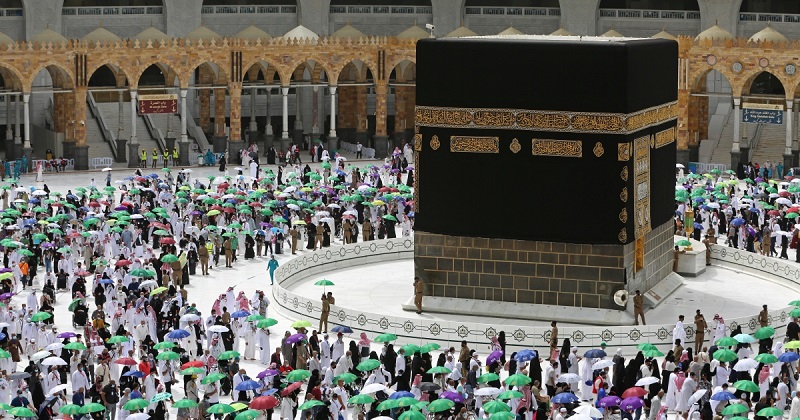
‘Itikaf’ takes place over the last 10 days of Ramadan when worshipers go into seclusion and devote their time to prayer and reading the Qur’an. It starts from the sunset of the 20th day of Ramadan and ends when the Eid moon is sighted. In ‘itikaf’, worshipers live and sleep in the mosques and only leave for ablutions, according to Arab News.
Layla Nagadi, a 59-year-old Jeddah resident, has been observing itikaf for over 15 years. “Nothing equals itikaf in Makkah, where you can dedicate the last 10 days of Ramadan for worship only.”
“I was very happy when Al-Sudais announced the return of itikaf this year, I will be among the first people to apply.”
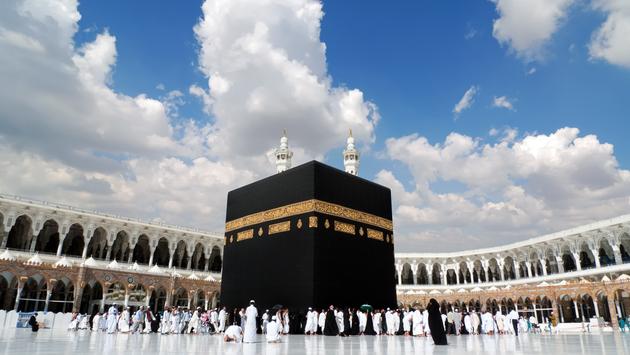
Before COVID-19, worshipers were welcomed at the two holy mosques for iftar by philanthropists who provide iftar sufras or meals at specific locations. The distribution of iftar meals was allowed last year in Ramadan but this year on Jan. 13, Al-Sudais announced the return of communal iftar sufras at the two mosques.
Two thousand permits have been issued to those interested in this form of charity. For some Saudi families, providing iftar meals at the same spot in the precincts of the mosques, have been passed down through the generations.
