


Gas Prices
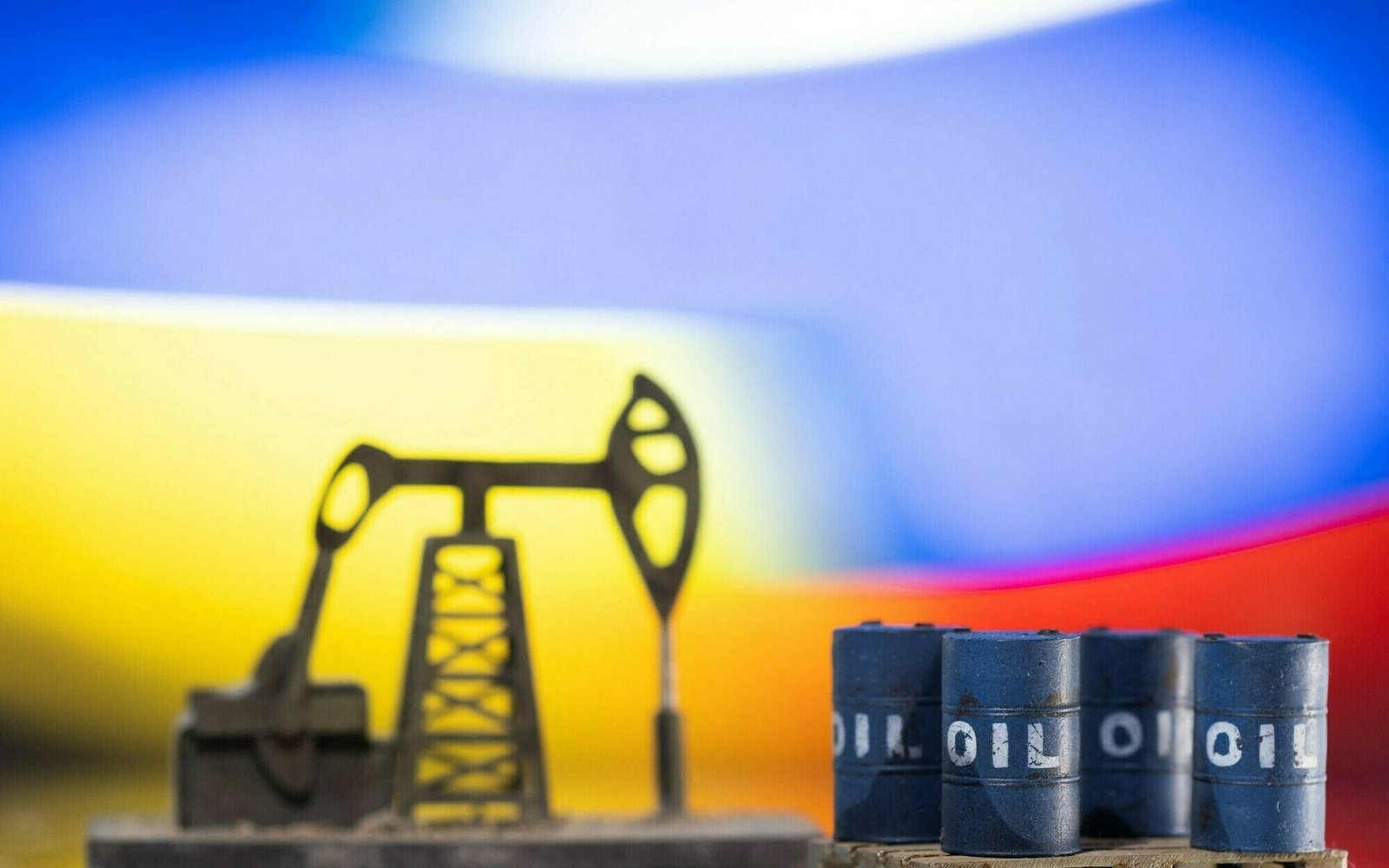
Rising geopolitical tensions between Pakistan and India have injected fresh uncertainty into global energy markets, prompting a notable—albeit sentiment-driven—uptick in crude oil and natural gas prices.
The latest military escalations and heightened rhetoric between the two nuclear-armed neighbours have sparked concerns among investors and analysts about the potential for broader regional instability that could affect critical trade and energy corridors.
On Tuesday, global crude oil benchmarks responded with modest gains. Brent crude rose by approximately one percent, trading at $62.52 per barrel, while West Texas Intermediate (WTI) crude followed suit, climbing to $59.54 per barrel. Natural gas markets reacted even more sharply, with prices increasing by nearly 2 percent to reach $3.55 per million British thermal units (MMBTU).
Though no physical threats to oil fields, shipping routes, or key energy infrastructure have yet been reported, the market’s reaction underscores the sensitivity of commodity prices to geopolitical developments.
The Line of Control (LoC) between Pakistan and India has witnessed an uptick in military activity in recent days, which has reignited fears of a potential escalation that could have wider economic repercussions.
Analysts suggest that the price rebound is largely psychological rather than a reflection of any immediate supply disruption. “The rise is largely sentiment-driven,” a commodities trader based in Singapore remarked. “Crude had been under consistent pressure due to oversupply and weakening demand, particularly from China and the U.S. But heightened conflict risk has reintroduced a geopolitical risk premium into the market.”
Until recently, global oil and gas prices had been on a downward trend, weighed down by tepid economic activity, sluggish industrial output, and robust supply levels from major producers. However, the unexpected flare-up between Islamabad and New Delhi has shifted the narrative.
Energy analysts warn that if hostilities continue or worsen—especially if maritime routes through the Arabian Sea are affected or regional infrastructure is targeted—the energy market could see increased volatility. In such a scenario, energy-importing countries in Asia and Europe may face elevated fuel costs and inflationary pressure.
The global community is now watching developments in South Asia closely, hoping for diplomatic intervention to ease tensions before markets face more serious disruptions.
