

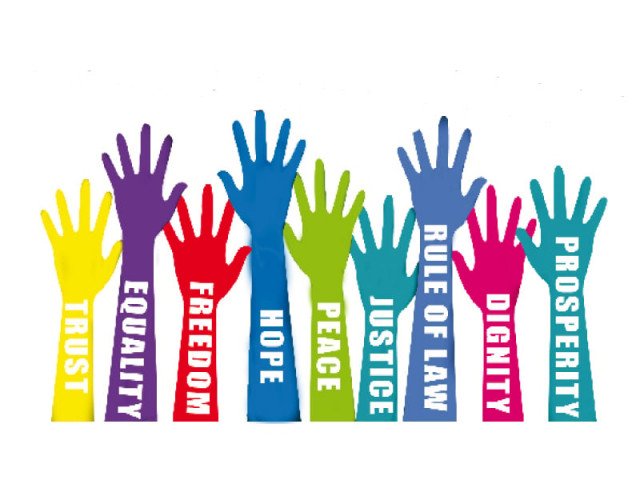

The rights of citizens in Pakistan are protected under the Constitution of 1973. These rights ensure that every person living in the country is treated with respect, fairness, and equal opportunities. The idea behind these rights is to create a society where people are free to speak, work, live, and practice their beliefs without fear. These rights are not just promises; they are legal protections that every citizen can demand.
Right to Life and Safety
Every citizen has the right to life, meaning no one can harm them or take their life unlawfully. This also includes the right to security and protection from threats. The government and law enforcement agencies are responsible for safeguarding citizens and maintaining peace.
Right to Freedom of Speech
Citizens have the right to express their opinions openly, whether through speech, writing, or digital platforms. However, this freedom comes with responsibility. It should not be used to spread hate or violence. Healthy speech strengthens democracy and allows people to discuss issues freely.
Right to Education
Education is the foundation of progress. In Pakistan, the government ensures that every child between 5 and 16 years old has access to free and compulsory education. This right helps reduce inequality by giving everyone the opportunity to develop skills and improve their future.
Right to Equality
The rights of citizens in Pakistan also guarantee that all individuals are equal in the eyes of the law. No one should be treated differently because of gender, religion, language, caste, or social class. This right promotes fairness in jobs, education, and everyday life.
Right to Freedom of Religion
Pakistan is home to different religions, including Islam, Christianity, Hinduism, and Sikhism. Every citizen is free to practice their religion and perform their worship without interference. Respect for different beliefs promotes harmony in society.
Right to Fair Trial
If a person is accused of wrongdoing, they cannot be punished without proper legal process. Citizens have the right to fair trial, where they can defend themselves with the help of a lawyer. This prevents injustice and allows truth to be revealed in the court of law.
Right to Privacy
Every individual has the right to privacy in their personal life, home, communication, and family matters. No one, including the government, can interfere unnecessarily or collect private information without valid reasons.
Right to Vote
Citizens who are 18 years and older have the right to vote. This allows people to choose their leaders and participate in the democratic process. Voting ensures that the government reflects the will of the people.
Why These Rights Are Important
These rights build trust between the people and the state. When citizens know they are protected, they can contribute positively to society. They work confidently, express ideas, follow their beliefs, and take part in the growth of the country. Strong rights mean a strong nation.
FAQs
Q1: Who protects the rights of citizens in Pakistan?
The Constitution of Pakistan protects citizens’ rights, and the courts ensure their implementation.
Q2: Do all citizens have equal rights in Pakistan?
Yes, all citizens are equal before the law regardless of religion, gender, or social status.
Q3: What should a citizen do if their rights are violated?
They can report the issue to law enforcement or file a case in court to seek justice.
Q4: Is education a basic right in Pakistan?
Yes, education is a basic right and the government is responsible for providing free education to children.
