
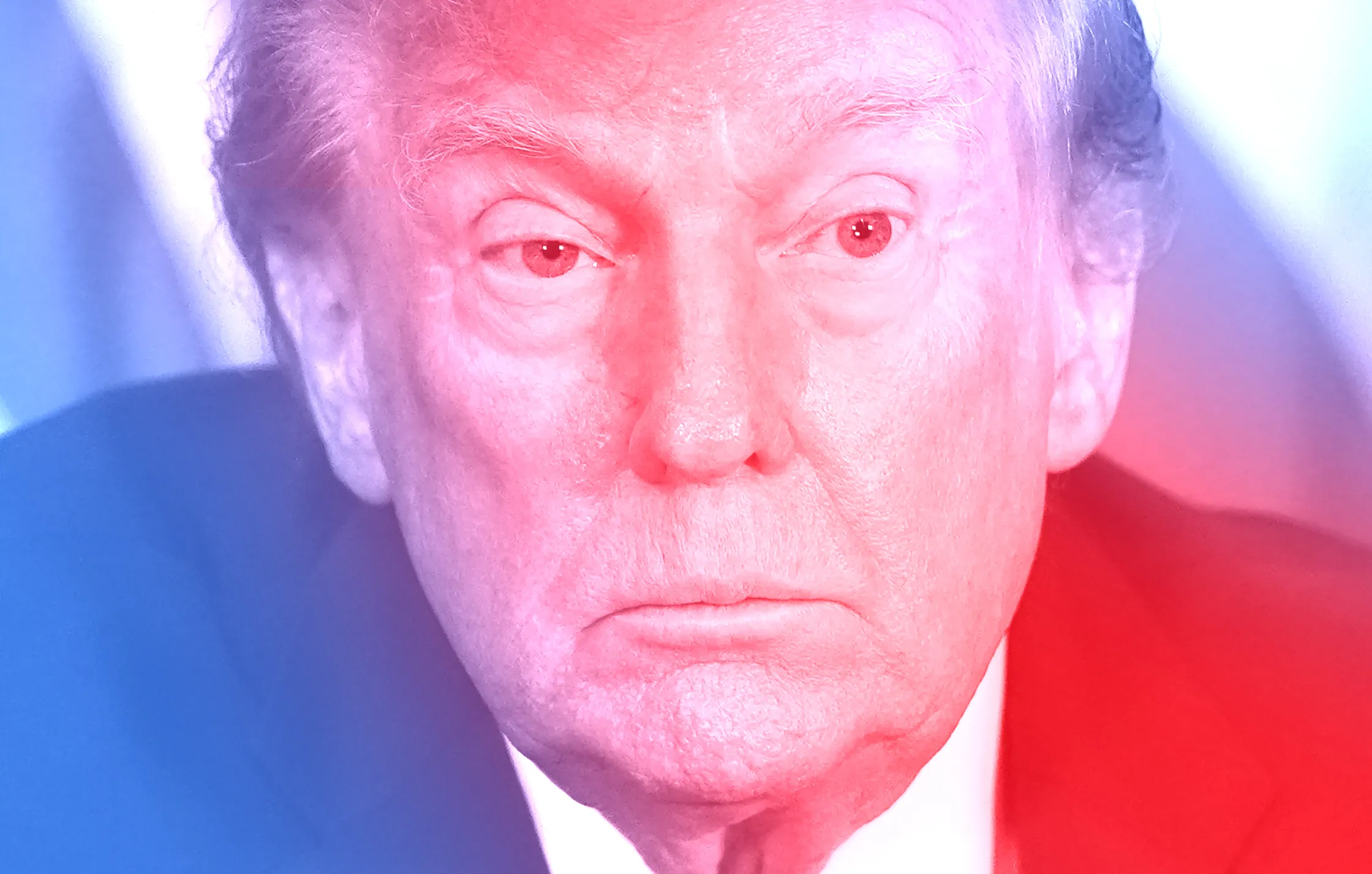

WASHINGTON: Several Republican candidates have publicly distanced themselves from President Donald Trump on the Iran war, immigration and economic policy as the United States approaches November’s midterm elections.
The shift comes as recent surveys cited in US media reports show declining approval for Trump, particularly over the cost of living and the continuing conflict with Iran.
At the UN General Assembly this week, Trump again attracted attention with remarks on Iran, artificial intelligence and Venezuela. However, the domestic political focus has increasingly shifted towards Republican concerns about November’s congressional contests.
Republican Candidates Call for End to Iran War
In Michigan, Republican Senate nominee Mike Rogers called for the Iran conflict to “end quickly,” arguing that ending hostilities could help reduce energy costs.
Similarly, Iowa Republican Senate nominee Ashley Hinson called for a “successful and immediate” conclusion to the war, although Democrats noted that she previously opposed congressional resolutions aimed at stopping the conflict.
Wisconsin Republican gubernatorial candidate Tom Tiffany also said the United States should leave Iran.
Meanwhile, Florida Representative Maria Elvira Salazar criticised parts of Trump’s immigration crackdown, saying some Hispanic voters who backed him in 2024 now feel betrayed.
Polling Shows Growing Challenges for Republicans
A CNN survey cited in the supplied report found that about one-quarter of Americans approved of Trump’s handling of the Iran conflict, compared with roughly one-third when the war began.
Additionally, polling cited by The New Yorker indicated weakening support among some traditionally important Republican constituencies, including white voters without college degrees concerned about living costs.
Democratic gains in November, however, remain uncertain. Control of Congress will depend on individual state and district contests, turnout and late campaign developments.
The emerging Republican criticism nevertheless shows candidates increasingly emphasising economic concerns and the Iran conflict as they seek to define their campaigns separately from the White House.

