

Deployment marks reported escalation while Washington signals tougher military posture
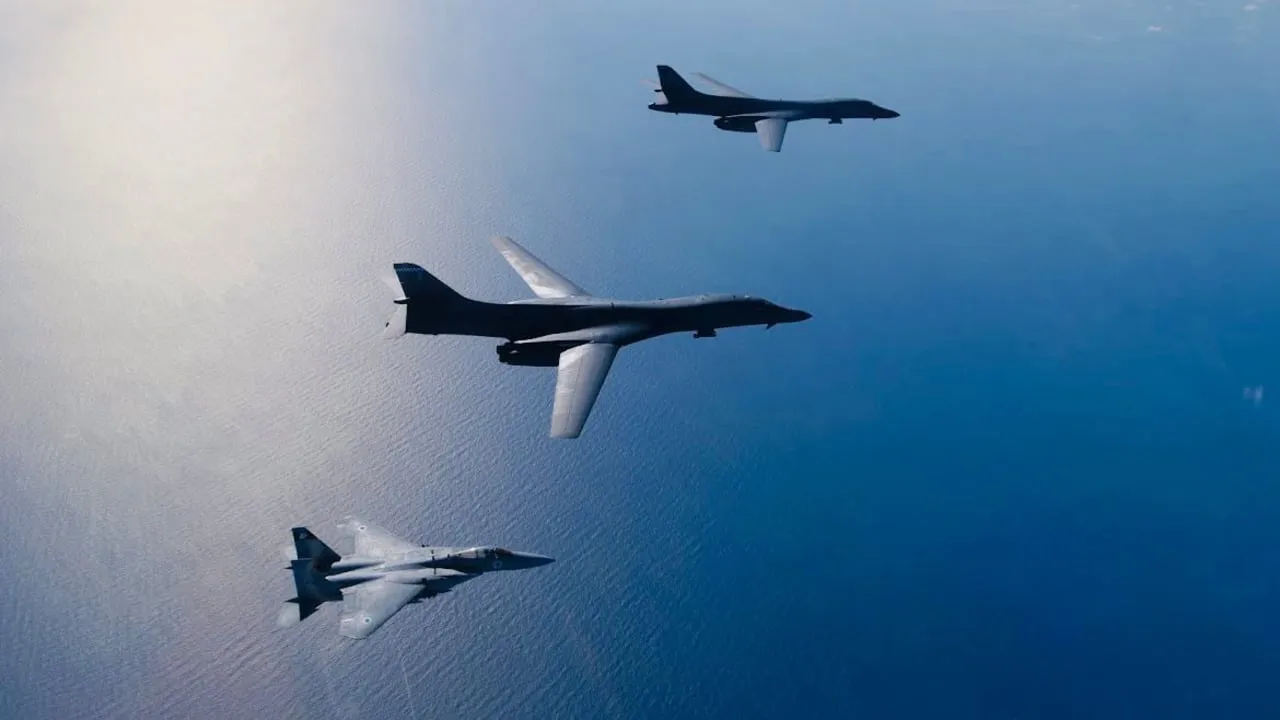
WASHINGTON: The United States has reportedly deployed a B-1 long-range bomber in strikes against Iran, marking what media reports describe as a significant escalation in the renewed conflict between the two countries.
According to The Jerusalem Post, citing unnamed sources, the first strike involving the B-1 bomber took place on Tuesday. The report said the aircraft was used as part of the expanding US military campaign against Iranian targets.
Separately, Axios reported that the bomber departed from a military base in the United Kingdom before carrying out its mission. While aircraft tracking websites reportedly monitored its flight, the exact target of the operation has not been publicly disclosed.
Bloomberg News also reported that British Prime Minister Andy Burnham approved the use of UK military facilities for US operations targeting Iran. However, British authorities have not publicly released further operational details.
CENTCOM has not confirmed bomber use
The reports noted that B-1 bombers are capable of carrying up to 24 conventional 2,000-pound bombs or dozens of cruise missiles, making them suitable for long-range strike missions.
Despite the reports, US Central Command (CENTCOM) did not specifically mention the use of a B-1 bomber in its statement regarding overnight military operations against Iran.
Earlier this year, the US military confirmed employing B-1 bombers during Operation Epic Fury, targeting missile sites, command centres, weapons storage facilities and air defence systems.
Trump signals possibility of further action
Meanwhile, The Wall Street Journal reported that President Donald Trump is considering expanding military operations, with additional aircraft positioned across the Middle East and strategic bombers placed on heightened alert.
Separately, Trump warned that the United States would respond to any future attacks on shipping in the Strait of Hormuz by targeting Iranian infrastructure, including bridges and power plants.
The reports and statements come as tensions between Washington and Tehran remain high, although several operational details have not been independently verified or officially confirmed by the US military. Observers continue to monitor developments closely as diplomatic efforts to reduce regional tensions proceed alongside ongoing military activity.

