

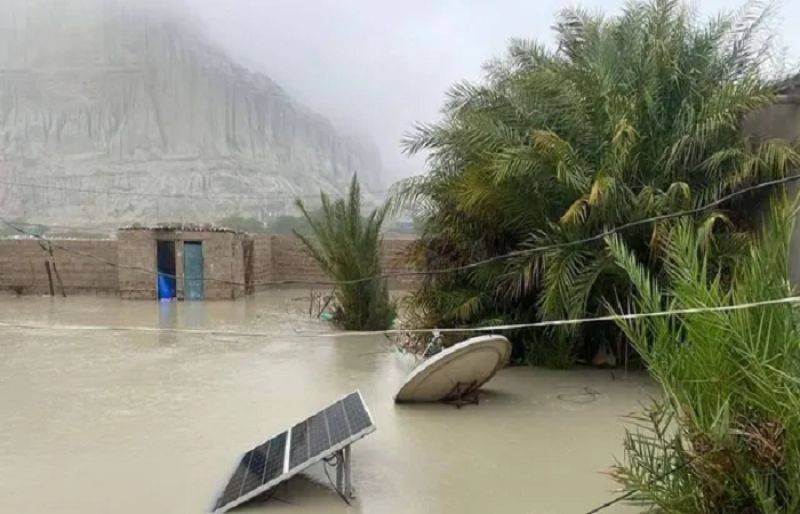

Relief and rescue operations are underway in Gwadar as the city grapples with over 180 millimeters of rainfall in the past two days, prompting authorities to declare a calamity and impose an emergency. The downpour has caused widespread disruption, with flash floods and submerged areas affecting normal life and traffic in Gwadar, Makran, and parts of Balochistan.
The Pakistan Meteorological Department reports 60mm of rainfall in Gwadar in the last 24 hours, while other areas like Jiwani, Kalat, Khuzdar, Sibbi, Dalbandin, and Turbat also experienced significant rainfall. The Provincial Disaster Management Authority (PDMA) Director General, Jahanzeb Khan, acknowledges the severity of the situation in Gwadar, attributing it to the city receiving 187mm of rainfall in the last two days. Relief efforts involve the PDMA, Pakistan Army, Navy, and district administration.
Residents whose homes are flooded are being evacuated to safe locations, but Khan warns that rains are expected to persist for the next two days. Letters have been dispatched to relevant districts, instructing them to handle any emergencies. The PDMA DG maintains constant communication with deputy commissioners across Balochistan, ensuring the PDMA control room in Quetta is operational 24/7.
The Pakistan Meteorological Department forecasts widespread heavy rain, windstorms, and thunderstorms in various Balochistan districts. The situation is compounded by the possibility of isolated hailstorms. The forecast indicates mainly dry weather for most of the province the following day.
In Sindh, where a rain emergency is declared, Karachi and other parts brace for rough weather. The PMD predicts rain, thunderstorms, and a few heavy falls. The Chief Minister imposes a half-day for government and private offices in Karachi due to potential urban flooding. The Met Department’s advisory warns of heavy rains in Balochistan affecting Jacobabad, Kamber Shahdadkot, Dadu, Jamshoro, and Malir districts. Sindh’s districts, including Karachi, are expected to experience rain and thunderstorms with a few heavy falls.
Sindh Chief Minister Syed Murad Ali Shah conducts surprise visits to low-lying areas, checking dewatering machinery and officer attendance. The administration ensures preparedness, deploying suction vehicles and advising citizens to avoid unnecessary travel. Traffic police, wardens, and additional policemen are deployed to manage traffic flow and respond to emergencies during the rains.
